

 Simon Kamuzinzi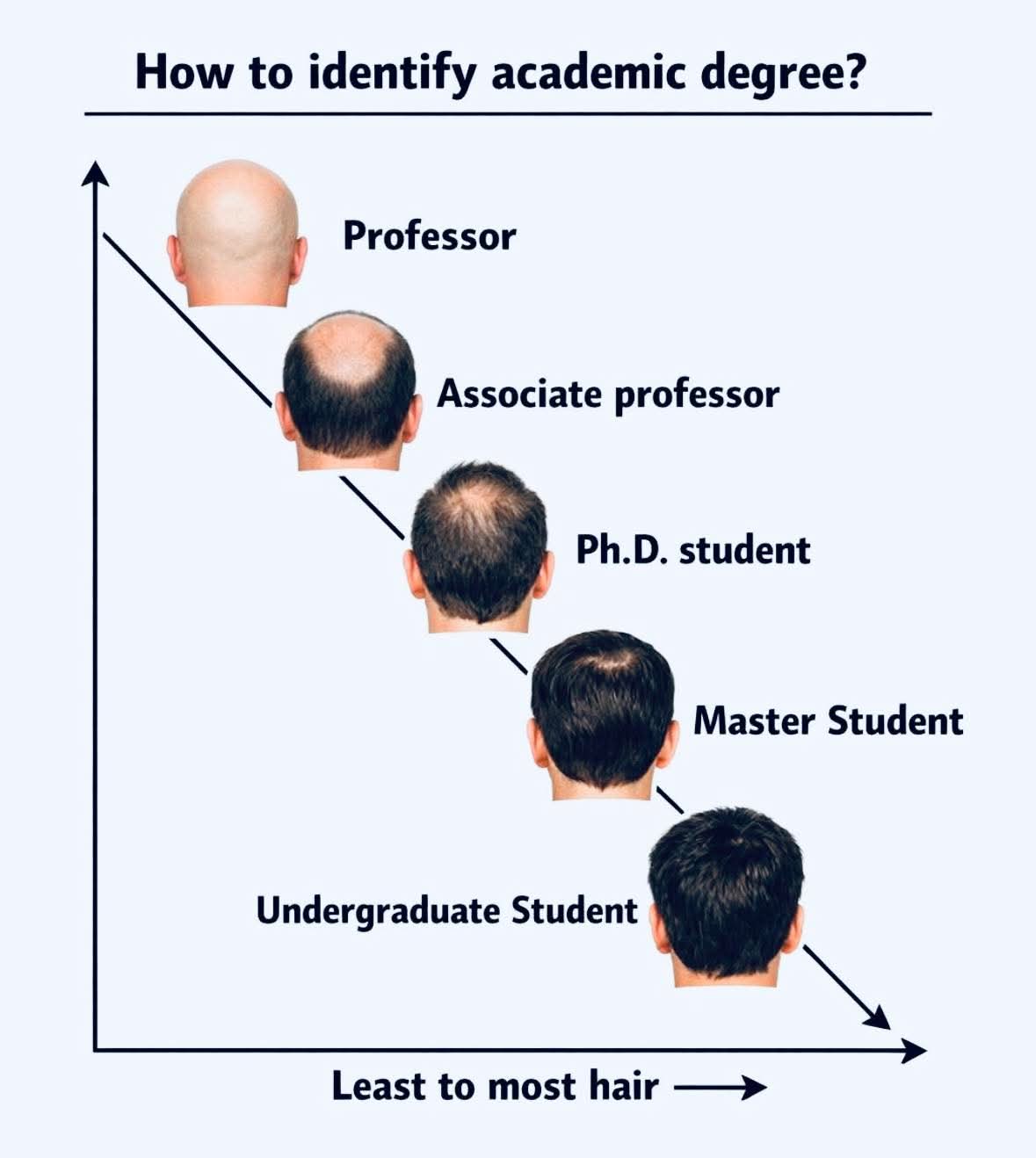
It is rare to find an expert in a particular field—such as a professor or a doctor—who still has thick hair, especially on the upper part of the head, from the crown all the way to the forehead where the hairline once sat in youth.
However, it would be incorrect to claim that studying intensely by itself directly causes baldness. According to the American Academy of Dermatology (AAD), studying alone is not the root cause. Rather, it becomes a contributing factor when it is combined with poor lifestyle habits, mental strain, and unhealthy nutrition.
Stress and hormonal imbalance
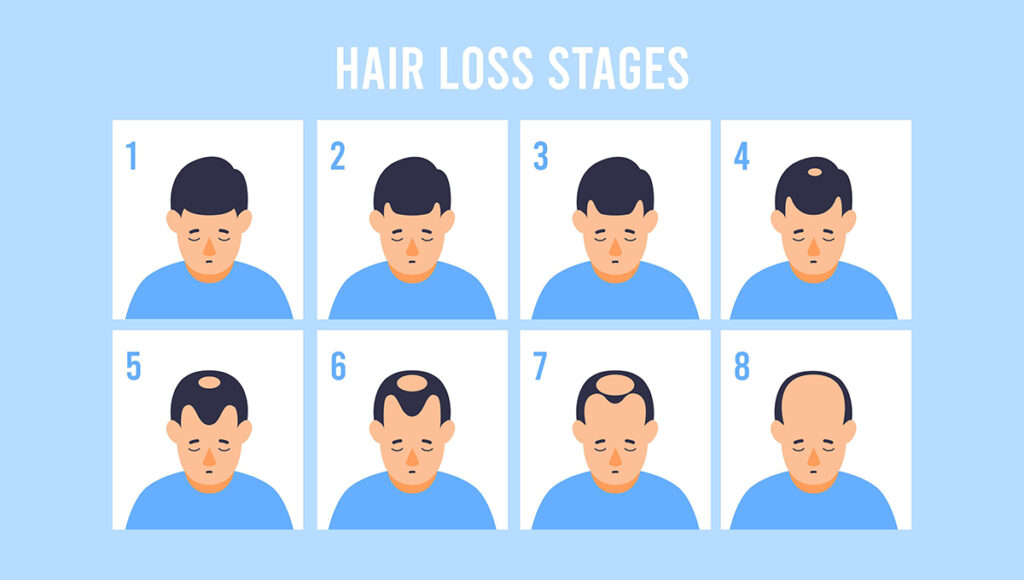
Intense studying often places individuals under constant pressure and anxiety, especially when they face deadlines for assignments and exams. When such stress persists over a long period, the body releases a hormone known as cortisol, which interferes with normal hair growth.
At this stage, hair follicles enter a resting phase called telogen, a condition typically associated with old age. Hair stops growing properly, becomes weak, and begins to shed abnormally, eventually leading to baldness.
Lack of sleep

Most students sleep very few hours each day as they spend long nights reading and memorizing material.
Studies by the American Academy of Dermatology, Harvard University, and the U.S. National Institutes of Health (NIH) show that getting enough sleep—at least eight hours a day—allows body cells to regenerate and helps balance hormones, including those responsible for healthy hair growth.
The NIH explains that insufficient sleep damages hair follicles because they do not get enough time to repair themselves. As a result, new hair grows thin, weak, and fragile, making it unable to survive for long and causing it to fall out prematurely.
Poor nutrition

People who study intensely often skip meals or delay eating while others go for lunch, telling themselves, “I’ll eat later.” When they finally do eat, they rush through meals that provide little nutritional value. This leads to a lack of essential proteins, vitamins, and minerals in the body.
Hair is mainly made of a protein called keratin. When the body does not receive enough protein, it prioritizes more vital organs and functions, leaving hair growth neglected. Over time, this imbalance results in hair thinning and baldness.
Poor blood circulation from prolonged sitting
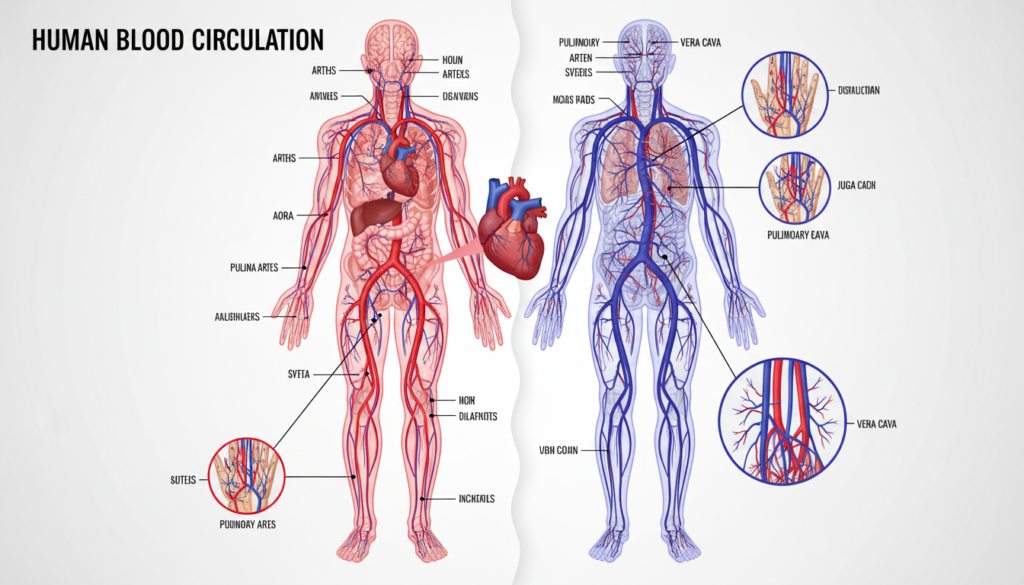
Spending long hours sitting reduces proper blood circulation throughout the body. Consequently, very little blood reaches the top of the head, especially the crown area. Yet hair follicles in this region require sufficient blood supply to survive and produce hair. When they are deprived, hair stops growing and baldness develops.
Foods for healthy hair
To prevent hair loss and maintain healthy hair, the body needs:
- Proteins from eggs, fish, beans, milk, and meat
- Minerals from vegetables such as spinach, meat—especially liver—and pumpkin seeds
- Vitamin C from oranges, lemons, and pineapples
- Additional nutrients from peanuts, soybeans, avocados, carrots, sweet potatoes, mangoes, bananas, grains, fruits, and vegetables in general
Simple habits that help prevent baldness
In summary, students often step outside during short breaks—sometimes without knowing why—to stretch, play, and move their bodies. These activities help relieve stress and reduce mental strain.
Anyone who spends long hours studying or working in an office is advised to rest adequately, drink plenty of water, avoid smoking, and limit excessive caffeine intake in order to protect the health of their hair.
Why do women experience less baldness than men?

Men naturally produce higher levels of androgens, particularly a hormone called DHT (dihydrotestosterone). While this hormone promotes hair growth in many parts of the body, it can also damage hair follicles in areas the body considers unnecessary—especially when men do not practice good hair-care habits.
Women, on the other hand, produce much lower levels of these hormones and instead have higher levels of estrogen, which strengthens hair follicles and supports longer, healthier hair growth. However, when women reach menopause, estrogen levels decline, causing hair to weaken and, in some cases, thin or fall out.