
 Simon Kamuzinzi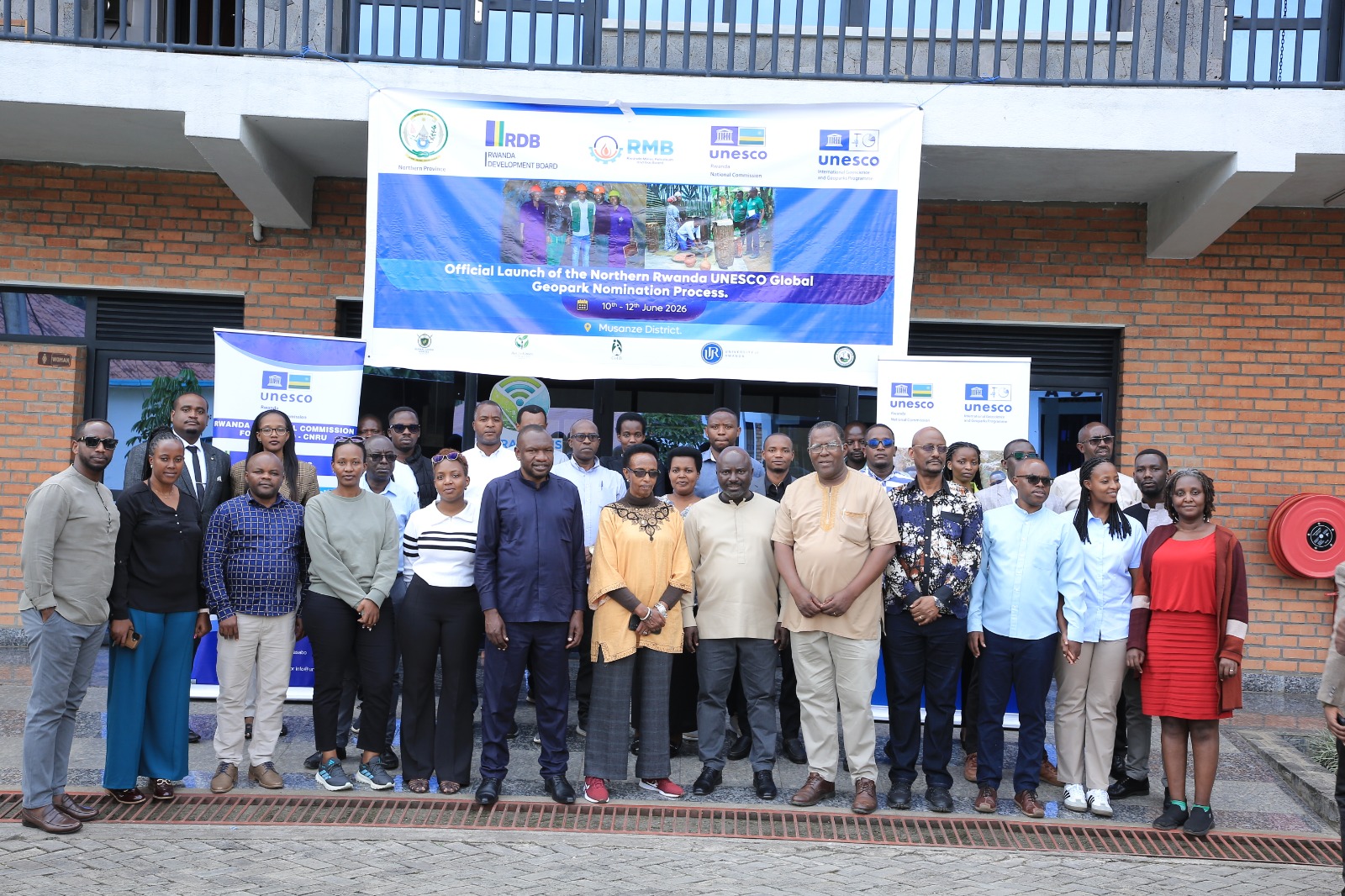
Chairperson of the General Assembly, UNESCO Rwanda National Commission (CNRU), Dr. Marie Christine Gasingirwa, the Governor of Northern Province, Maurice Mugabowagahunde, and Conservation Policy Analyst at Rwanda Development Board (RDB) Telesphore Ngoga, launched the initiating process meeting towards the nomination of Northern Rwanda as a UNESCO Global Geopark.
This initiative of the Government of Rwanda, through the Northern Province in collaboration with the UNESCO National Commission for UNESCO (CNRU), follows the UNESCO National Consultation Workshop and the UNESCO Field Support Mission conducted from 27 September to 4 October 2025 by Prof. Asfawossen Asrat Kassaye, UNESCO Global Geoparks Expert.
The mission assessed the geological, natural, cultural, and socio-economic heritage of Northern Rwanda and confirmed the Province’s strong potential to meet the criteria for designation as a UNESCO Global Geopark.
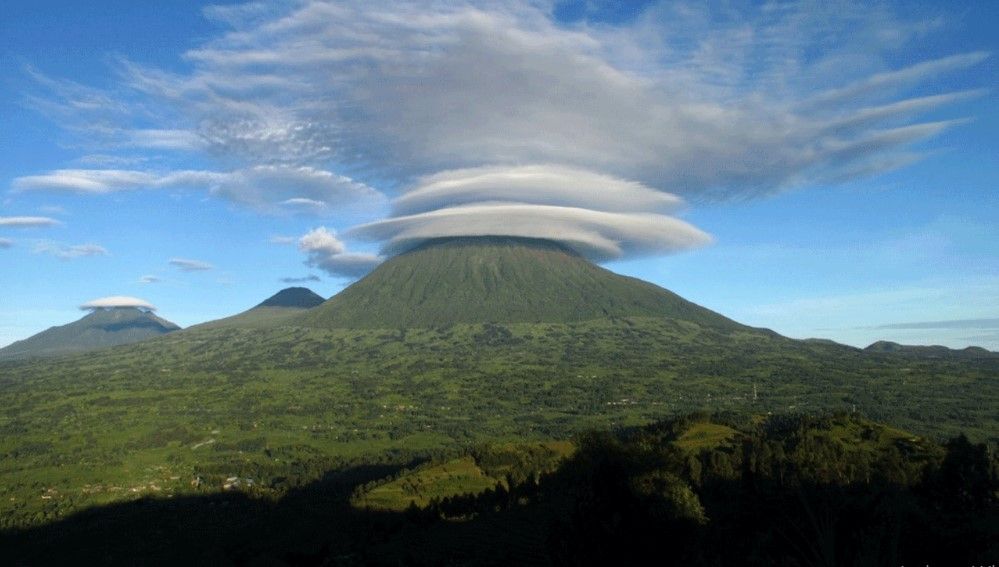
The assessment identified Northern Rwanda as an area of outstanding geological significance. The region hosts part of the Virunga Volcanic Chain, including several internationally important volcanoes, extensive volcanic formations, the Musanze Caves, Lakes Burera and Ruhondo, the Rugezi Wetland, and unique exposures of Proterozoic basement rocks.
Beyond its geological importance, Northern Rwanda possesses rich biodiversity, globally recognized conservation areas, significant cultural and archaeological heritage, vibrant community-based tourism initiatives, and strong opportunities for sustainable local economic development. These assets provide a strong foundation for the establishment of a UNESCO Global Geopark that integrates conservation, education, research, tourism, and community empowerment.
The UNESCO mission, however, noted that the geopark development process remains at an early stage and recommended a coordinated multi-stakeholder approach to establish the institutional, technical, and community foundations necessary for a successful nomination.
Key recommendations included strengthening stakeholder engagement, defining the proposed geopark territory, conducting comprehensive heritage inventories, establishing governance and management structures, enhancing community participation, and developing a clear implementation roadmap.
The journey being officially launched has been informed by rigorous technical assessments and extensive consultations undertaken over the past years.
The invaluable contribution of Professor Asfawossen Asrat Kassaye, UNESCO Global Geoparks Expert, whose field mission and technical assessment provided critical insights into the remarkable potential of Northern Rwanda, was acknowledged.
Through his expertise and dedication, the extraordinary geological significance of this region was comprehensively documented and internationally benchmarked.
His findings confirmed that Northern Rwanda possesses geological features of exceptional global value, including the Virunga volcanic chain, the Musanze Caves, Lakes Burera and Ruhondo, the Rugezi Wetland, and other unique geological formations that tell the story of the evolution of the East African Rift System.
The progress achieved thus far has been supported by valuable technical and financial support from UNESCO. Through expert missions, advisory services, capacity-building initiatives, stakeholder consultations, and financial assistance, UNESCO has demonstrated its steadfast commitment to supporting Rwanda’s efforts to safeguard and sustainably utilize its heritage resources.
The Northern Province is endowed with remarkable assets. The region hosts part of the Virunga Volcanic Chain, the Musanze Caves, Lakes Burera and Ruhondo, the Rugezi Wetland, unique volcanic landscapes and geological formations of international significance linked to the evolution of the East African Rift System.
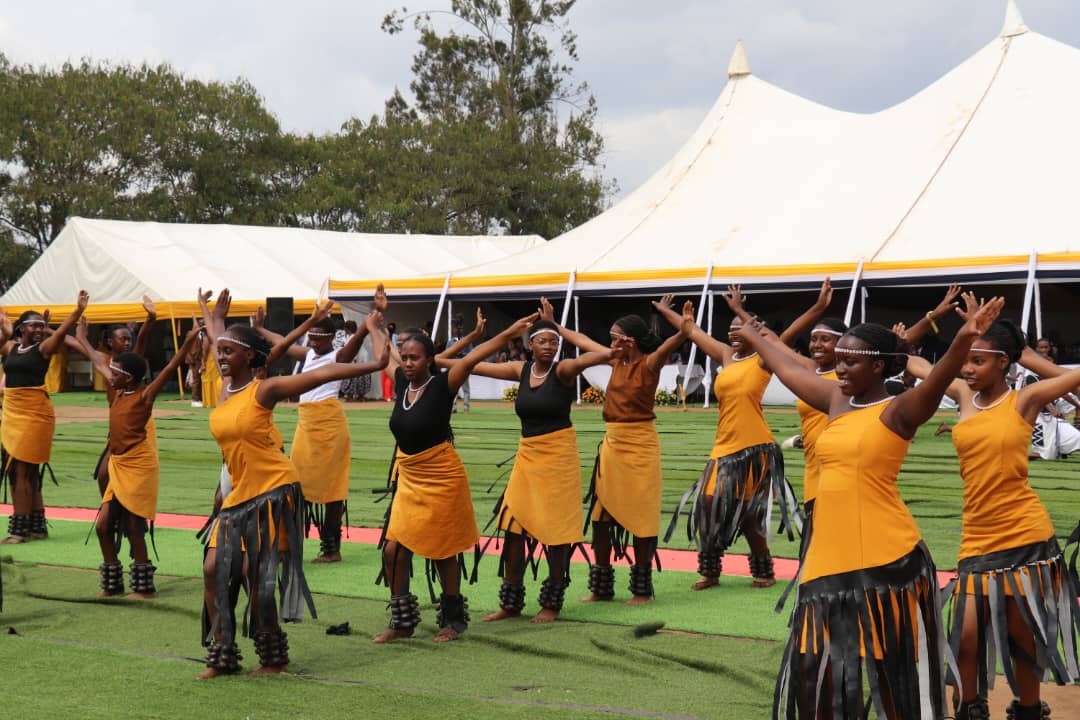
These extraordinary resources are complemented by rich biodiversity, cultural heritage, vibrant traditions and resilient communities, providing a strong foundation for the establishment of Rwanda’s first UNESCO Global Geopark.
This initiative aligns with the strategic vision of the Northern Province to promote sustainable tourism, environmental conservation, community participation and inclusive economic development.
The vision is to build a tourism sector that creates jobs, supports local entrepreneurship, empowers youth and women, strengthens community-based tourism initiatives and ensures that local communities benefit directly from the conservation of their heritage.
As highlighted during the UNESCO field mission in late 2025, building a successful nomination dossier is a rigorous collective effort that requires breaking down silos and synchronising actions. It also requires closely intertwining the geopark framework with existing structures, including the Volcanoes National Park, biosphere reserves, and Ramsar sites.
RDB has expressed full commitment to the process, pledging to deploy technical expertise, tourism marketing networks, and strong institutional support to ensure the nomination becomes a success.