
 Simon Kamuzinzi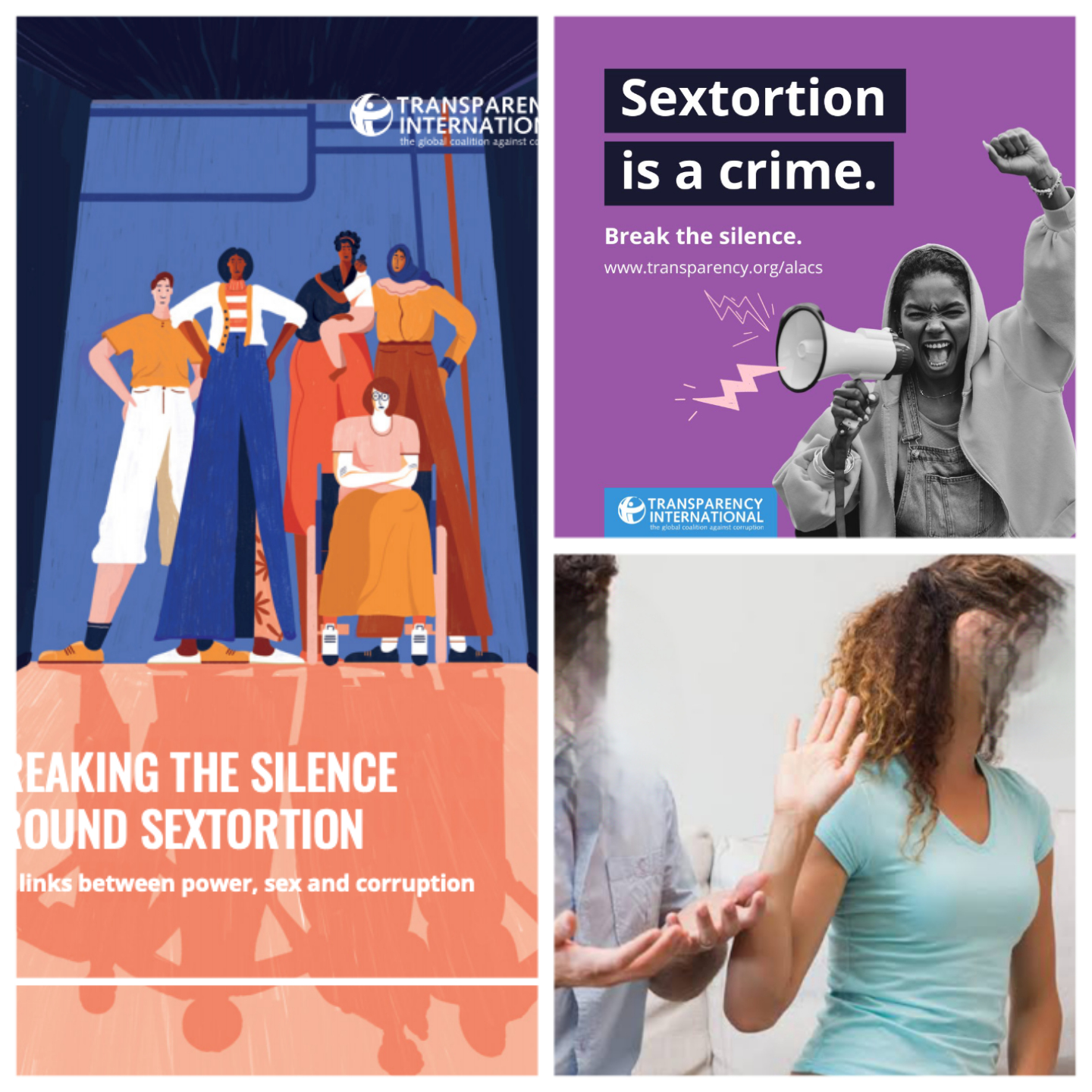
Transparency International has issued a strong call for African governments and regional institutions to confront sextortion and other forms of gendered corruption that continue to deny millions of female and disability learners fair access to education across the continent.
In a new regional education policy brief released on 27 January 2026 in Kigali, the global anti-corruption watchdog warns that corruption in education systems is not only widespread, but deeply discriminatory.
The brief, “Leaving No Learner Behind: Tackling Corruption and Discrimination in Education Across Africa,” highlights how sextortion — the abuse of power to demand sexual favors in exchange for services — has become one of the most pervasive yet underreported threats to girls’ and women’s right to education.
Drawing on Corruption Risk Assessments conducted in the Democratic Republic of Congo (DRC), Ghana, Madagascar, Rwanda and Zimbabwe under the Inclusive Service Delivery in Africa (ISDA) project, Transparency International finds that corruption is most acute at points where learners and families interact directly with education officials.
These include school admissions, grading, internships, teacher recruitment, payroll systems and public procurement.
For female learners, the consequences are particularly severe. The report documents cases where girls and young women are pressured to exchange sexual favors for grades, admission, scholarships or training opportunities.
Fear of retaliation, social stigma and weak reporting mechanisms often force victims into silence, allowing perpetrators to act with impunity.
“Corruption in education is not a victimless administrative failure – it is a direct assault on human rights and social justice,” said Paul Banoba, Transparency International’s Africa Regional Advisor.
He stressed that gendered corruption is entrenched across systems, systematically denying learners equal opportunities and undermining trust in public education.
Country-level findings illustrate the scale of the problem.
In the DRC, more than 56 percent of respondents reported paying or witnessing bribes to secure school admission.
Zimbabwe recorded some of the highest levels of education-related corruption, with 72 percent acknowledging bribery in admissions alongside alarming levels of sexual coercion.
In Rwanda, integrity risks were identified in exam grading, internships and school feeding programmes, with female students especially vulnerable to sextortion.
Madagascar and Ghana face parallel challenges, including discriminatory illicit fees, payroll fraud and resource diversion that disproportionately affect marginalized learners.
Transparency International warns that weak oversight and accountability mechanisms allow such abuses to persist. Parent–Teacher Associations, school boards and community anti-corruption committees often lack legal authority, resources and protection, limiting their ability to challenge misconduct or protect victims.
To address the crisis, the organization is urging governments to adopt bold, gender-responsive and rights-based reforms. Key recommendations include explicitly recognizing sextortion as a form of corruption, enforcing zero-tolerance policies, and establishing safe, confidential reporting channels for victims.
The brief also calls for transparent, merit-based recruitment, digitized payroll systems to curb fraud, stronger procurement oversight, and meaningful community participation in school governance.
At the regional level, Transparency International wants Pan-African institutions empowered to monitor compliance, support reforms and hold governments accountable.
The report concludes that corruption in education deepens inequality, weakens social cohesion and undermines progress toward the Sustainable Development Goals, particularly on quality education, gender equality and strong institutions.
For African governments, tackling sextortion and gendered corruption is no longer optional — it is a development imperative and a human rights obligation.