
 Simon Kamuzinzi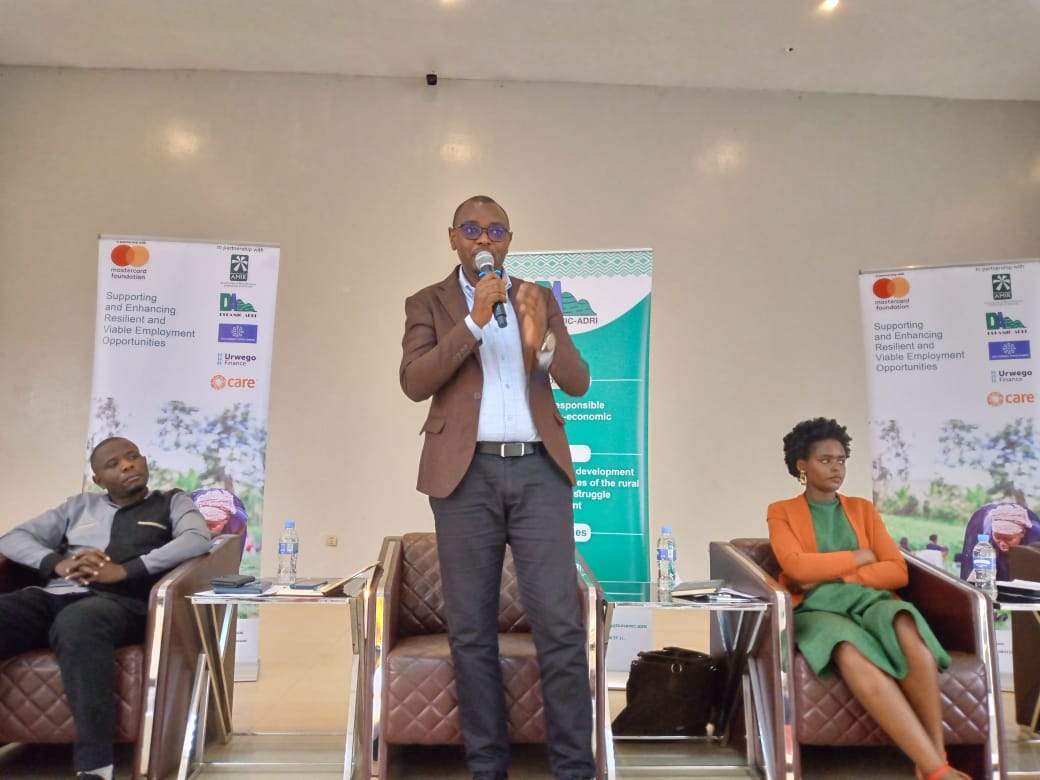
The Rural Development Organisation, DUHAMIC-ADRI, has pledged that more than 80,000 young people from the 29 districts where it operates will secure decent employment within the next two years—by 2027—largely through horticulture, organic fertiliser production, and animal feed processing.
Quality Comes First
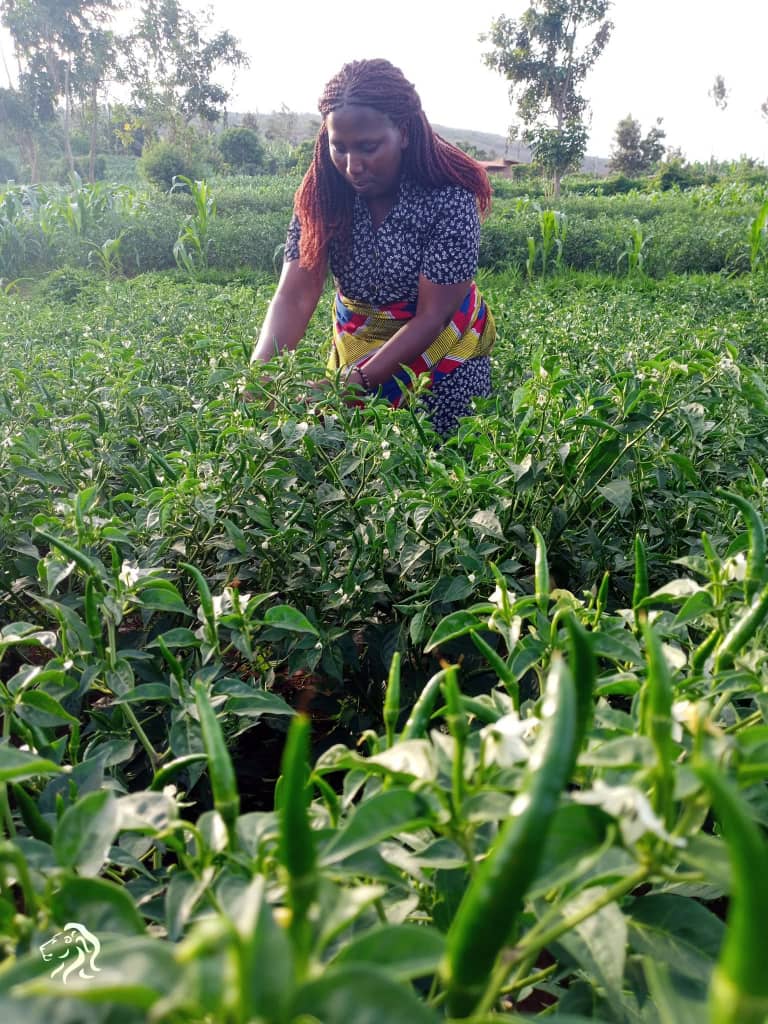
Mukandayisenga Donatille, a chilli farmer in Nyirabidibiri marshland
In collaboration with the Ministry of Agriculture and Animal Resources (MINAGRI) and other institutions, including the Rwanda Standards Board (RSB) and the Rwanda Inspectorate, Competition and Consumer Protection Authority (RICA), DUHAMIC-ADRI is urging young people engaged in farming, fertiliser production, and agro-processing to comply with a programme known as “Zamukana Ubuziranenge” (Grow with Quality Standard).
RSB explains that quality standards for farmers require them to clearly document and identify their production sites, including location, land size, signage indicating the crop being grown and its variety, the characteristics of that variety, and the reasons for selecting a particular crop for that site.
The standards further require farmers to employ trained personnel, avoid chemical fertilisers, pesticides, and contaminated irrigation water, and instead prioritise organic farming practices.
Farmers are also expected to keep proper records of their activities, fully understand quality regulations, sign contracts with buyers, avoid mixing different food products or storing them alongside non-food items, and ensure that all products are clearly labelled with appropriate storage information.
If produce destined for either local or international markets is rejected due to quality concerns, the farmer must clearly explain why it was returned and outline corrective measures being taken.
RICA adds that quality requirements also apply to the produce itself, as well as to all agricultural inputs used.
The authority cautions young farmers—particularly those growing French beans, chilli, avocados, coffee and other export crops—to ensure their produce is free from pests and infestations, as failure to meet standards could lead to rejection in foreign markets.
According to RICA, the European market particularly demands fresh vegetables grown in controlled environments such as greenhouses, while markets like China and Dubai show strong demand for dried chilli.
Lifting 100,000 youths out of unemployment

Officers from DUHAMIC-ADRI, MINAGRI, RICA, RSB and RAB met the youth in Agribusiness on Wednesday
DUHAMIC-ADRI’s Programme Manager, Théogène Habimana, says the SERVE Project, funded by the Mastercard Foundation through CARE International Rwanda, is supporting youth-led enterprises to increase productivity and improve quality, thereby creating jobs for more than 80,000 young people over the next two years.
“By 2027, we expect this project to have supported up to 100,000 youths, with at least 80,000 of them securing dignified, well-paying and sustainable jobs,” Habimana said.
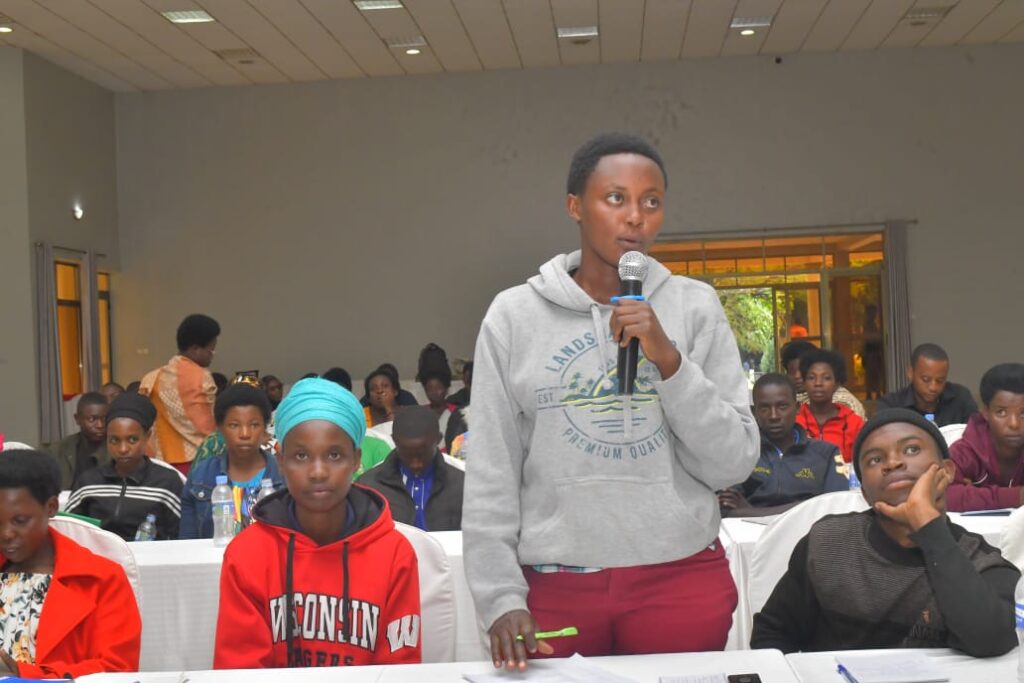
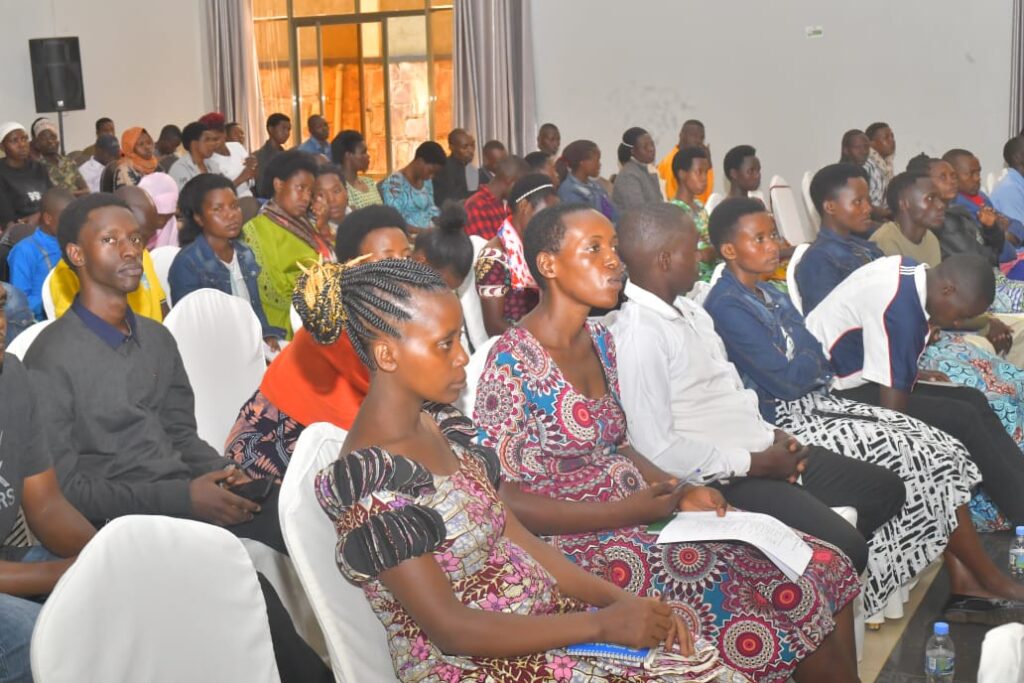
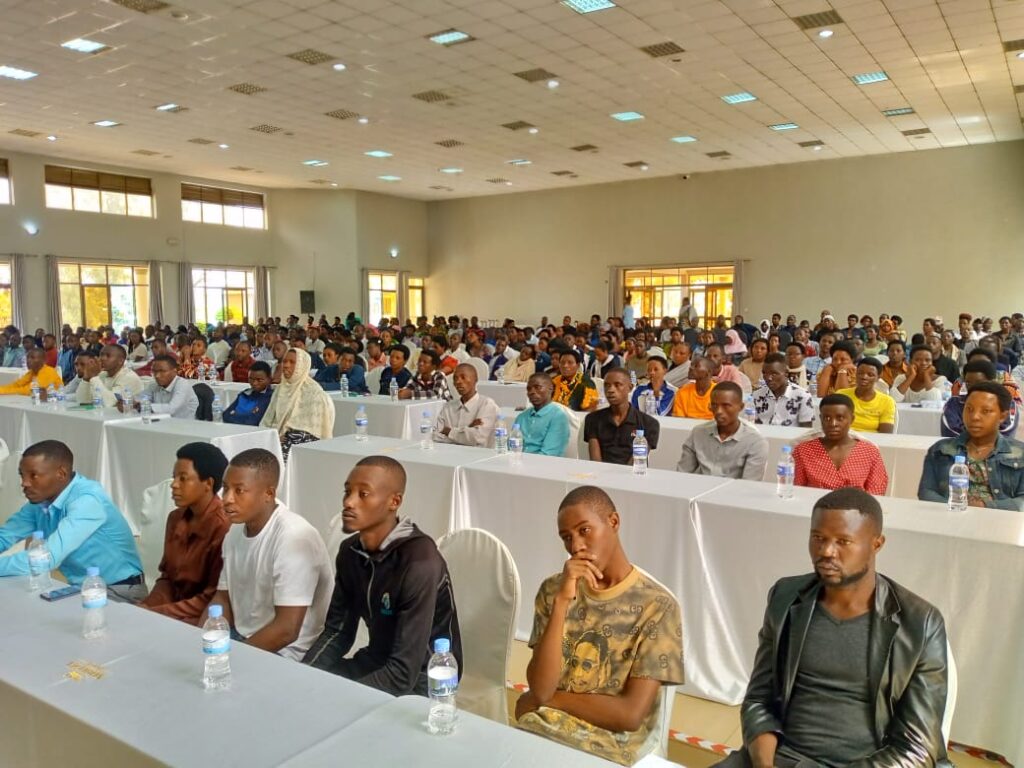
This week, DUHAMIC-ADRI brought together about 340 youths running 62 projects across 10 districts. These included agro-processing enterprises, chilli and French bean farmers, organic fertiliser producers, and animal feed manufacturers. The group also included youths with disabilities and teenage mothers, with discussions focused on boosting both production and quality.
Chilli farming: a profitable venture
Mukandayisenga Donatille, a chilli farmer operating in the Nyirabidibiri marshland in Rwamagana District, says an investment of Rwf 5 million to cultivate one hectare of chilli can generate more than Rwf 10.5 million within six months of harvesting.
She notes that in a single season, a chilli farmer can earn enough to build a house, buy a vehicle, or invest in another large-scale project.
“Chilli was once considered a minor crop, but today it ranks first among Rwanda’s exported vegetables. The company we work with exports it to the UK, Dubai, the United States and other markets,” she said.
From stone crushing to Agribusiness
Nsabimana Jean Marie Vianney, popularly known as Gifaru, is a 28-year-old farmer growing French beans and chilli in Ntarabana Sector, Rulindo District. He recounts that he used to earn a living by crushing stones, but after receiving training through the SERVE Project, he invested Rwf 80,000 in chilli and French bean farming and earned Rwf 450,000 from his first harvest.
Encouraged by the results, he reinvested Rwf 150,000 and harvested Rwf 850,000 from just seven ares of land. He has since leased 65 ares of land for four years at Rwf 500,000, invested Rwf 350,000 in farm operations, and earned Rwf 1.2 million in returns.
Nsabimana says he has already purchased a plot of land for construction and employs four permanent workers paid Rwf 1,500 per day each. During harvest seasons, he hires at least 20 youths daily, including people with disabilities.
“My goal is that even if the SERVE Project ended today, I would continue on my own. Within two years, I aim to own a motorised tricycle to transport produce to markets and employ at least 15 permanent workers,” he explained.
However, Nsabimana admits he was unaware that agriculture is also subject to strict quality standards and calls on relevant institutions to provide farmers with more detailed guidance on agricultural quality regulations.
Agriculture’s growing contribution to export earnings
MINAGRI reports that exported fruits and vegetables—particularly French beans, chilli and avocados—earned Rwanda USD 86.2 million in the 2024/2025 fiscal year, equivalent to more than Rwf 112 billion at the time.
Alice Mukamugema, Director General in charge of Agricultural and Livestock Value Chains at MINAGRI, says the government aims to increase export volumes by more than tenfold between 2024 and 2029.
“We want all the produce this youth will generate—and even more—so that the tenfold growth target can be achieved,” she said.
Meanwhile, farmers under the Imbaraga Federation of cooperatives stress that timely access to agricultural inputs is critical to increasing production, noting also that organic fertiliser remains scarce despite high demand.