
 Simon Kamuzinzi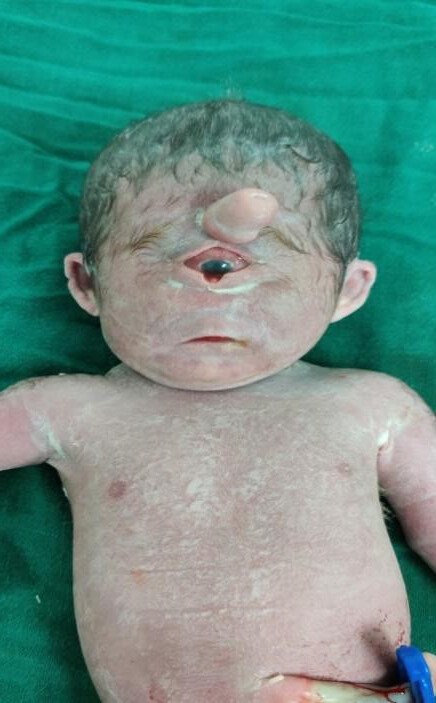
Being born with a single eye, a condition known as cyclopia, often accompanied by the absence of a nose, is extremely rare—occurring in about one in every 100,000 births. Despite its rarity, this serious birth defect underscores why every expectant mother is strongly advised to attend frequent prenatal checkups. Early medical monitoring can help ensure the birth of a healthy child.
According to the World Health Organization (WHO), cyclopia arises when, during the early stages of fetal development, the brain and eyes fail to form properly and cannot separate. The front part of the brain (the telencephalon) may not function correctly, leading to this severe anomaly.
The precise cause of cyclopia is still unknown, but several factors can interfere with normal brain development.
These include genetic mutations passed down through families, maternal smoking, the use of medications not prescribed by a doctor, alcohol consumption, and other harmful substances during pregnancy.
Additional risk factors include inadequate maternal nutrition, diabetes, certain infections, exposure to polluted air, and excessive use of industrial or agricultural chemicals.
Prenatal care plays a crucial role in mitigating these risks. When a mother attends regular checkups, especially during the early stages of pregnancy, healthcare providers often recommend taking folic acid supplements or consuming foods rich in this vital vitamin. Folic acid is essential for preventing brain and spinal cord defects.
The latest Demographic and Health Survey (DHS) conducted by Rwanda’s National Institute of Statistics (NISR) shows encouraging progress: in 2025, 78% of pregnant women attended the recommended four prenatal checkups, up from just 47% in 2020.
Unfortunately, children born with cyclopia have no chance of survival. Most die within hours, days, or a few months after birth because their brains cannot support essential bodily functions. In October 2015, Egypt reported the birth of a baby boy with cyclopia who passed away shortly after birth.
Other congenital defects can also result from inadequate prenatal care or harmful behaviors during pregnancy. These include conjoined twins, abnormally long or short limbs, and other severe physical abnormalities.
Regular prenatal care is therefore vital—not just for monitoring the health of the mother, but for preventing serious birth defects and giving every child a chance at life.