
 Simon Kamuzinzi
The Africa Centre of Excellence for Sustainable Cooling and Cold-Chain (ACES), in partnership with the Government of Rwanda, is hosting a week-long exhibition at Rubirizi to showcase modern cooling solutions designed to help the country reduce post-harvest losses of agricultural produce, vaccines, and animal semen.

According to Professor Toby Peters, the Executive Director of ACES, many Rwandans are not yet fully aware the importance of cooling systems in everyday life.
He noted that effective cooling requires advanced technical knowledge to ensure efficiency and to prevent risks associated with refrigerant gases. This, he said, is the main reason for organizing the Cooling and Cold-Chain festival week from October 6–10, 2025.
Dr. Solange Uwamahoro, the Deputy Director General in charge of Agriculture at the Rwanda Agriculture and Animal Resources Development Board (RAB), said the ACES initiative will significantly support Rwanda’s efforts to preserve agricultural and livestock products that often perish before reaching the market — a loss estimated at over 13% of total harvests.
“We still have a long way to go in preserving what we harvest, especially fruits and vegetables that must always stay fresh,” she explained. “The technology we are seeing here offers a sustainable solution that will reduce post-harvest losses in line with the government’s five-year plan and the agricultural transformation program known as PSTA5.”
She added, “While we often talk about cooling for fruits and vegetables, it also applies to meat, fish, and other animal products that must reach consumers while maintaining high quality.”
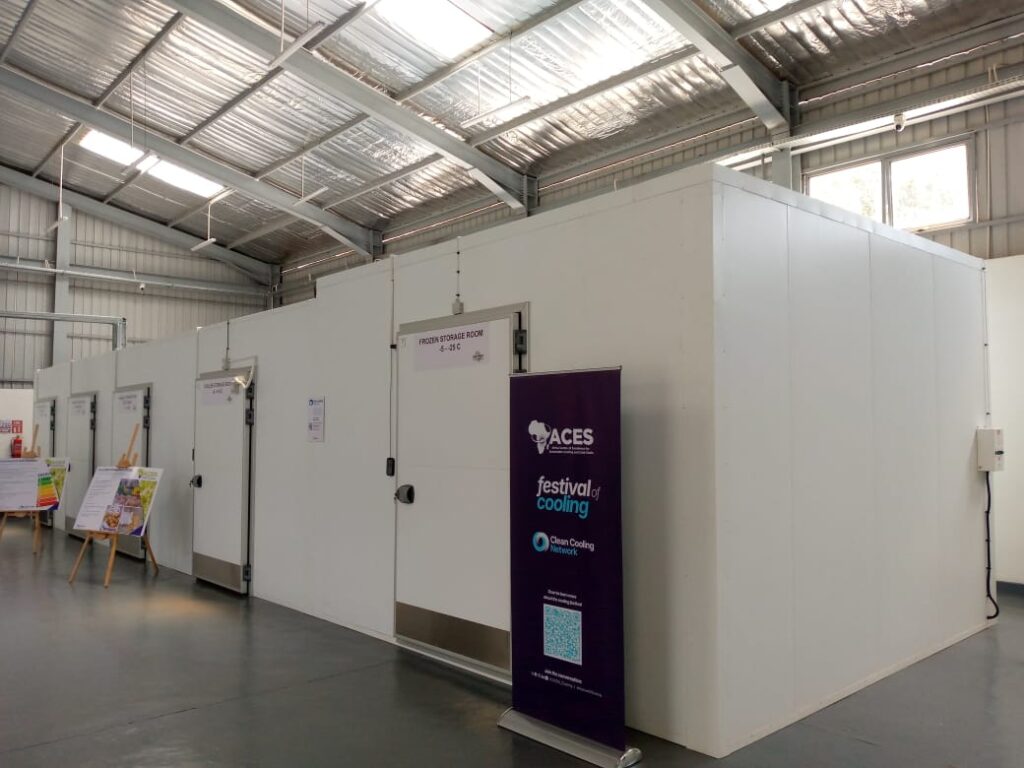
Beyond preserving food, Rwanda will also benefit from improved storage for vaccines and animal semen — both of which require constant low temperatures to maintain their effectiveness.
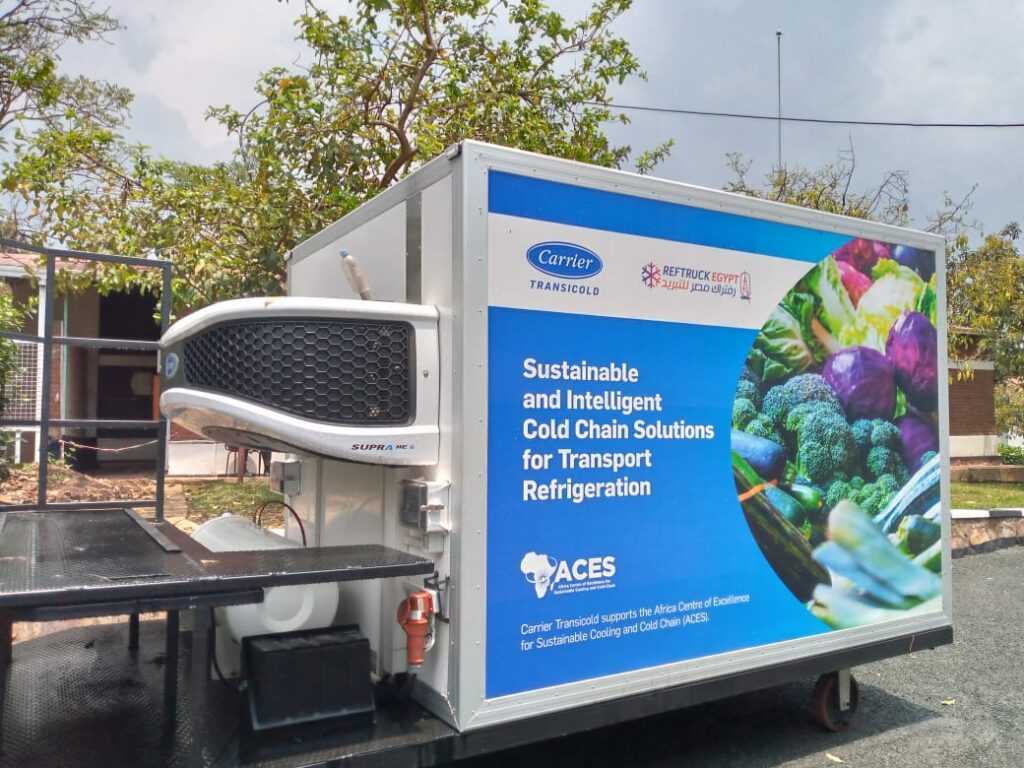
ACES also warns about the environmental dangers of traditional cooling gases, such as CFCs and HCFCs, which were widely used in refrigerators and air conditioners. When released into the atmosphere, these gases contribute to global warming and deplete the ozone layer, leading to severe weather changes and health problems like skin cancer.
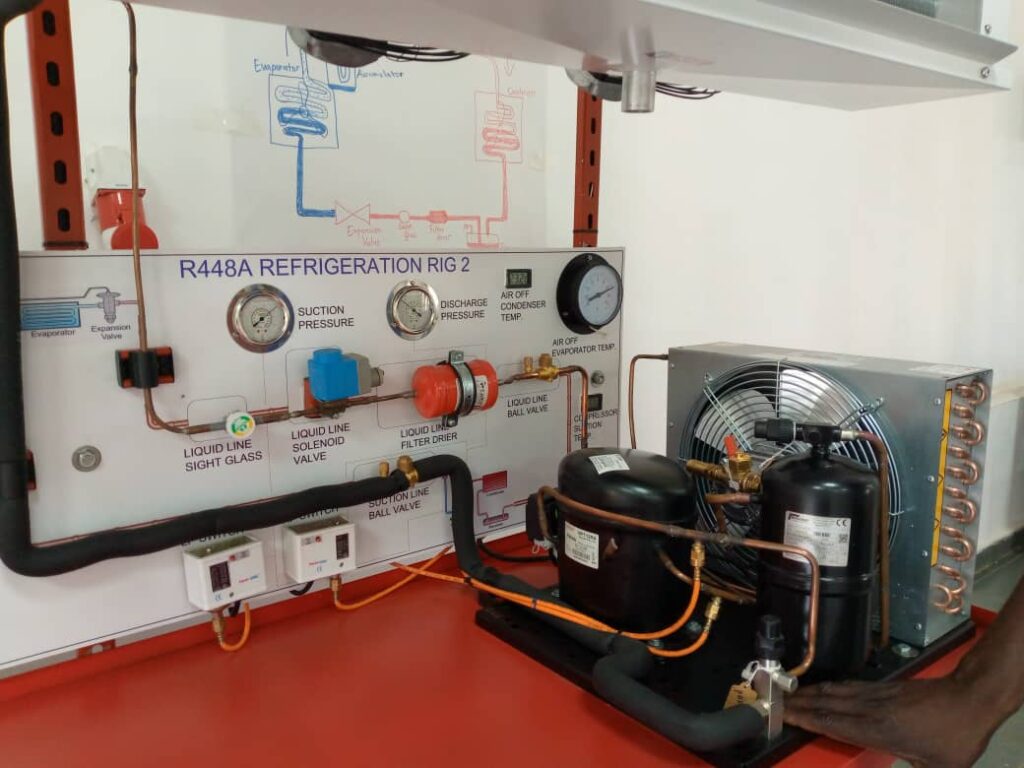
To address this, ACES is training technicians, entrepreneurs, and farmers to use alternative refrigerants such as hydrocarbons (HCs), ammonia, and carbon dioxide (CO₂), which are more environmentally friendly. However, these also require careful handling; if not properly sealed, they can cause appliance failure, fires, or even suffocation in enclosed spaces.
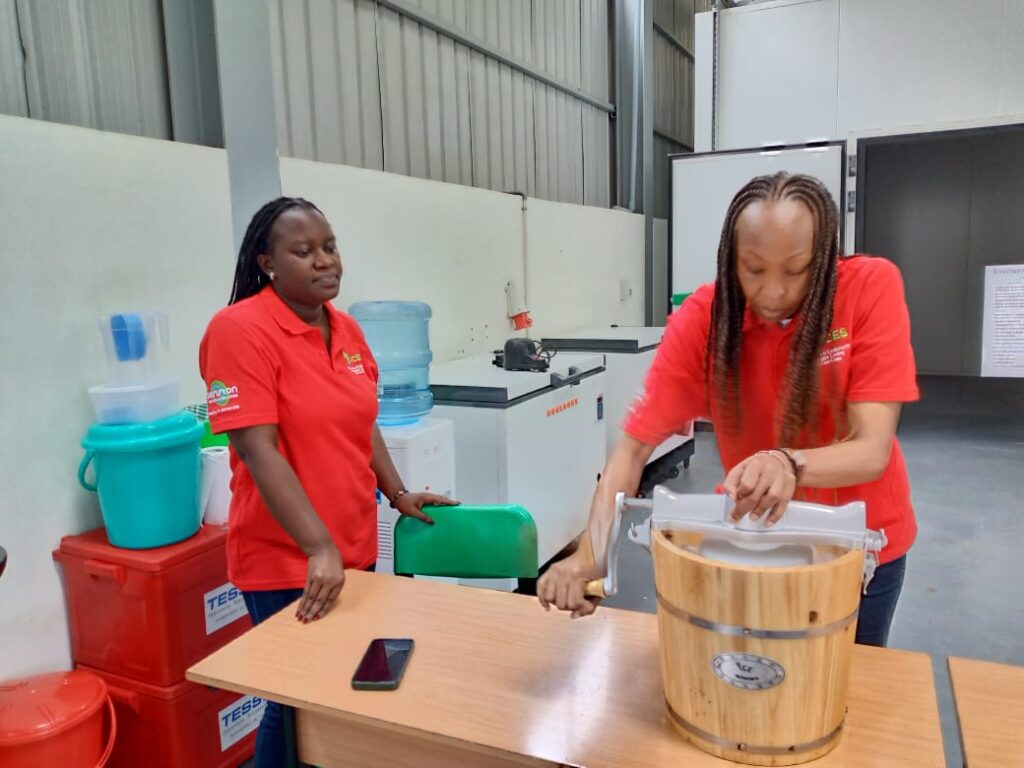
For this reason, partners from various sectors — including farmers, transporters, traders, and agro-industrial operators — are gathering at the ACES training center in Rubirizi to explore how they can collaborate with the government in strengthening Rwanda’s cooling and cold-chain systems.
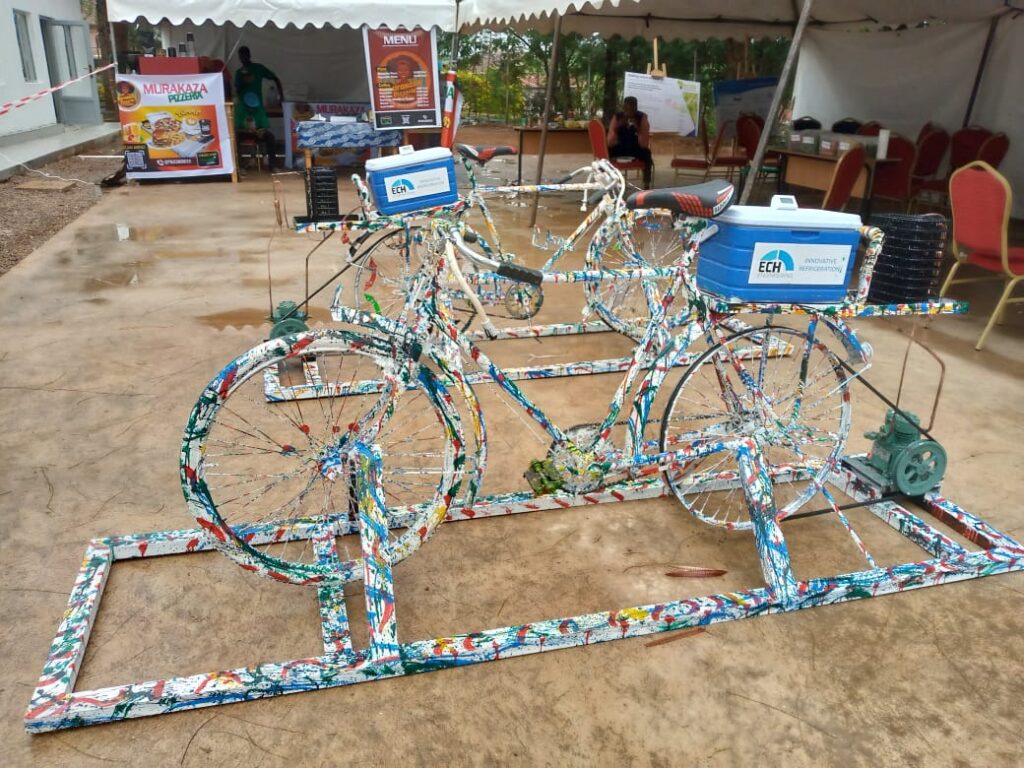
At the event, private sector players have joined ACES to display and demonstrate various cooling technologies, learning not only how the systems work but also how to maintain them safely and prevent accidents.