
 Simon Kamuzinzi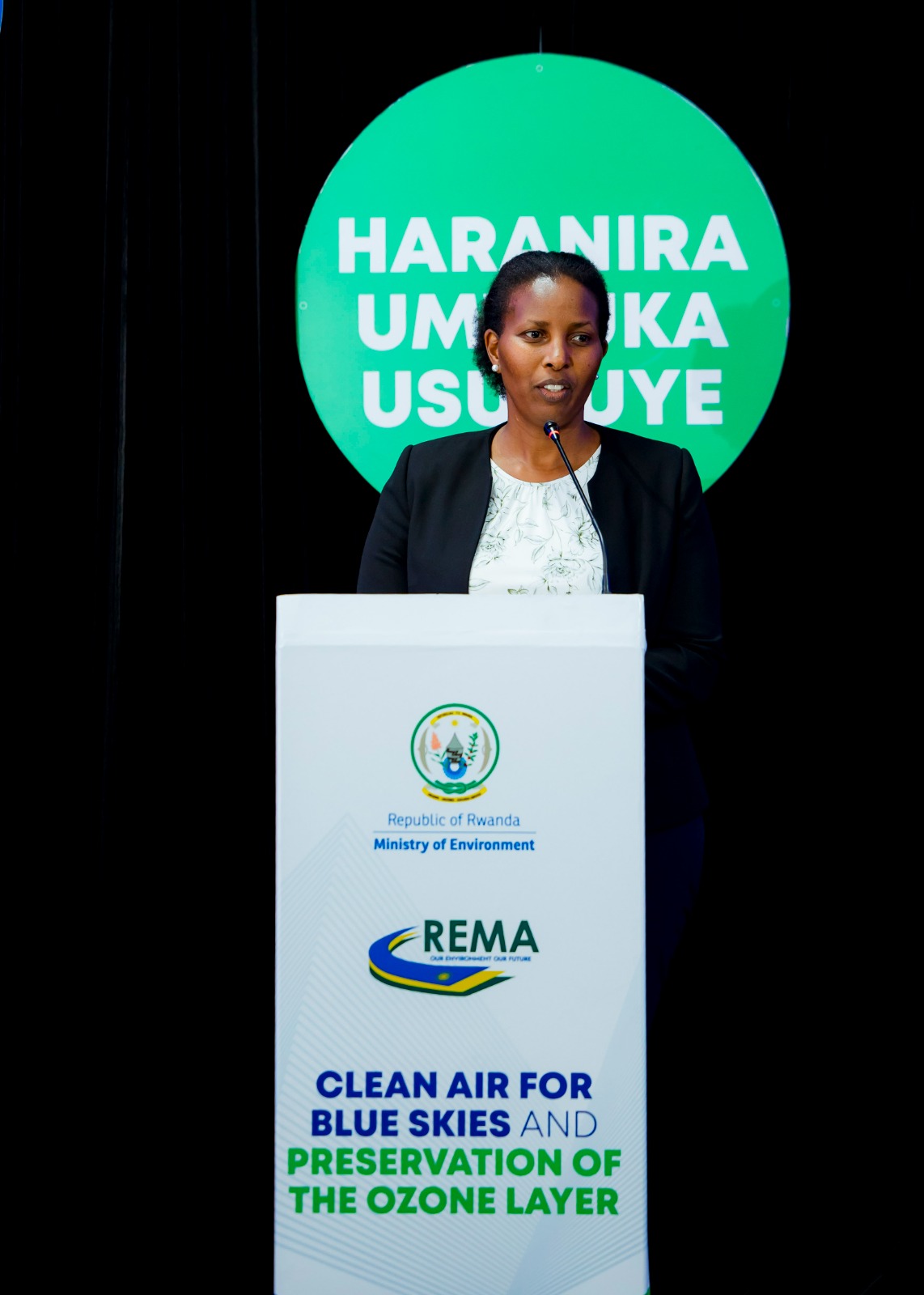
Kigali— Rwanda has placed its fight against harmful hydrofluorocarbons (HFCs) at the center of this year’s International Day for the Preservation of the Ozone Layer, showcasing its leadership in phasing down these potent climate-warming gases.
Speaking to mark the occasion, Juliet Kabera, Director General of the Rwanda Environment Management Authority (REMA), said the country’s efforts demonstrate how national action can drive global progress.
“Through the Kigali Implementation Plan, we are reducing HFCs while promoting sustainable cooling solutions that go hand in hand with climate action and energy efficiency,” Kabera said.
Rwanda’s National Ozone Unit has spearheaded the Hydrochlorofluorocarbons (HCFC) Phase-out Management Plan and rolled out strong systems for monitoring and enforcement. These include training customs officers and refrigeration technicians, enforcing licensing and quota requirements, and raising public awareness on the environmental dangers of HFCs.
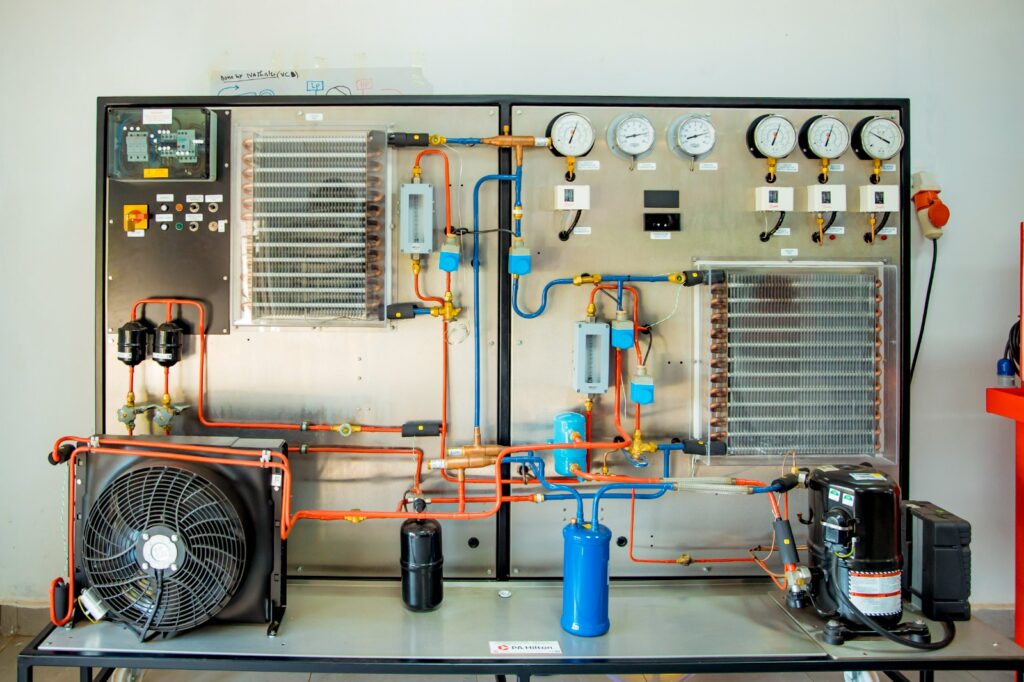
At the same time, Rwanda is investing in innovative cooling solutions. Through the Rwanda Cooling Initiative and the African Centre of Excellence for Sustainable Cooling and Cold Chain (ACES), hosted in Kigali, the country is promoting alternatives that protect both the ozone layer and the climate.
Kabera stressed that cutting HFCs is not only about environmental treaties but also about everyday choices in cooling homes, transporting goods, and powering industries. She called on Rwandans to embrace cleaner, climate-friendly technologies to sustain progress.
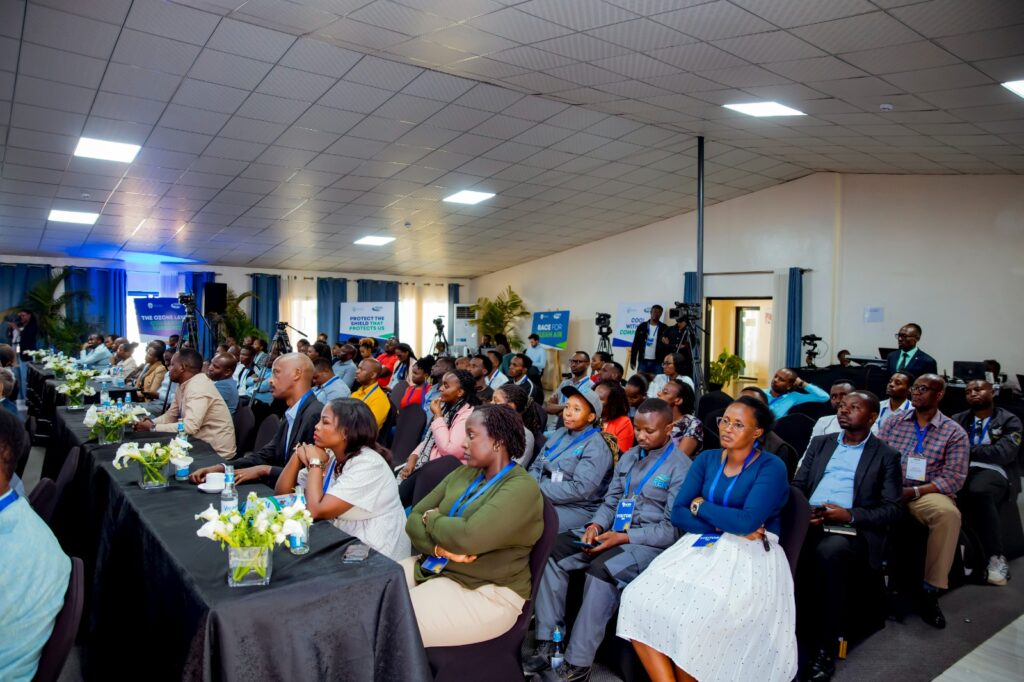
The focus on HFCs comes as the world marks 40 years since the Vienna Convention on the Protection of the Ozone Layer, which paved the way for the Montreal Protocol and later the Kigali Amendment of 2016. These agreements remain key drivers of international cooperation against ozone depletion and climate change.
“Rwanda is proud to contribute solutions that inspire global action,” Kabera said. “By tackling HFCs, we are protecting our environment today and for future generations.”