
 Kigaliinfo.com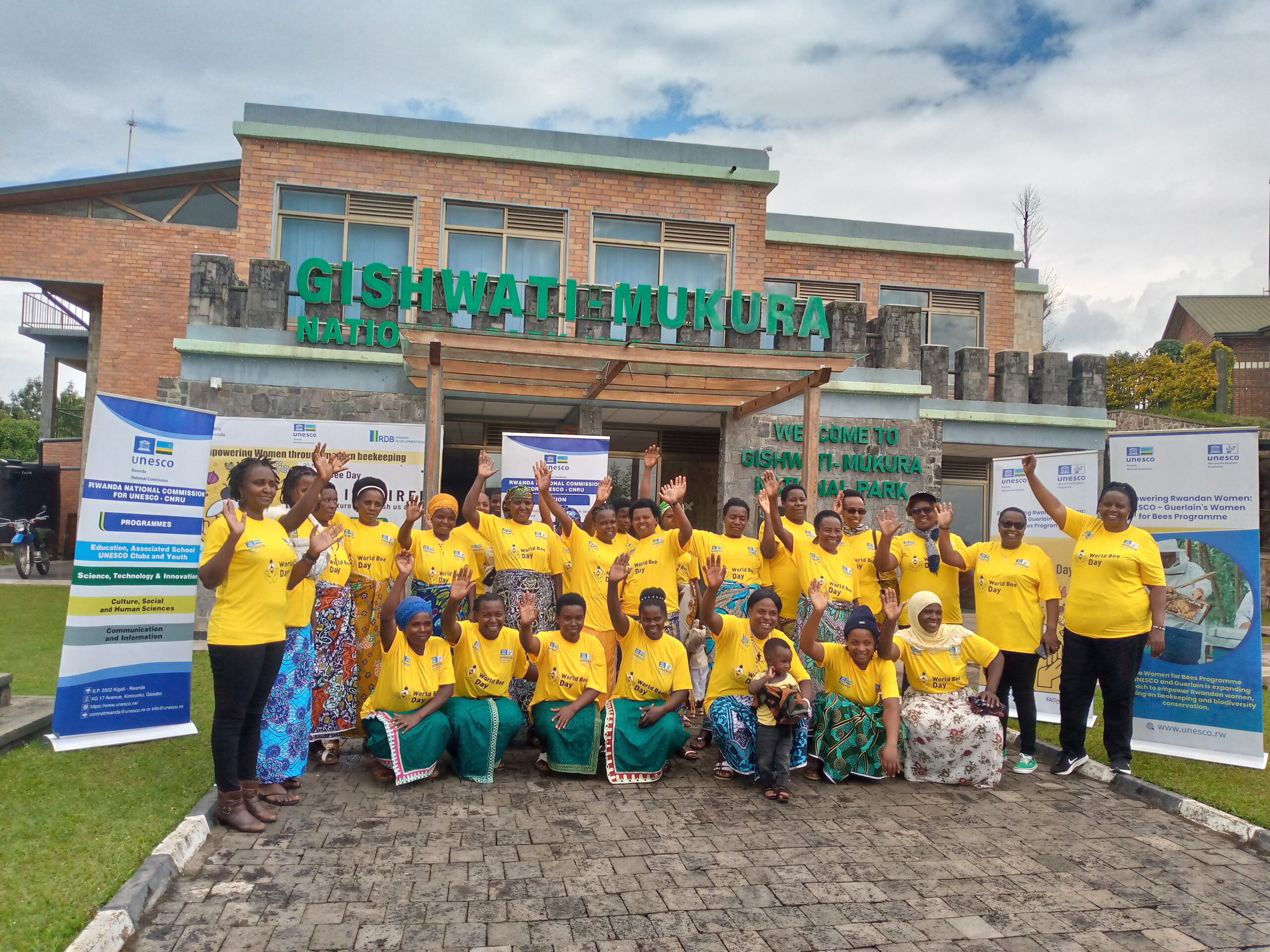
Celebrating #WorldBeeDay, Researchers state that 70% of crops exist because bees play a role in pollination, and without them, the world would lose many essential things, including food, medicine, cosmetics, and other basic necessities for human life.
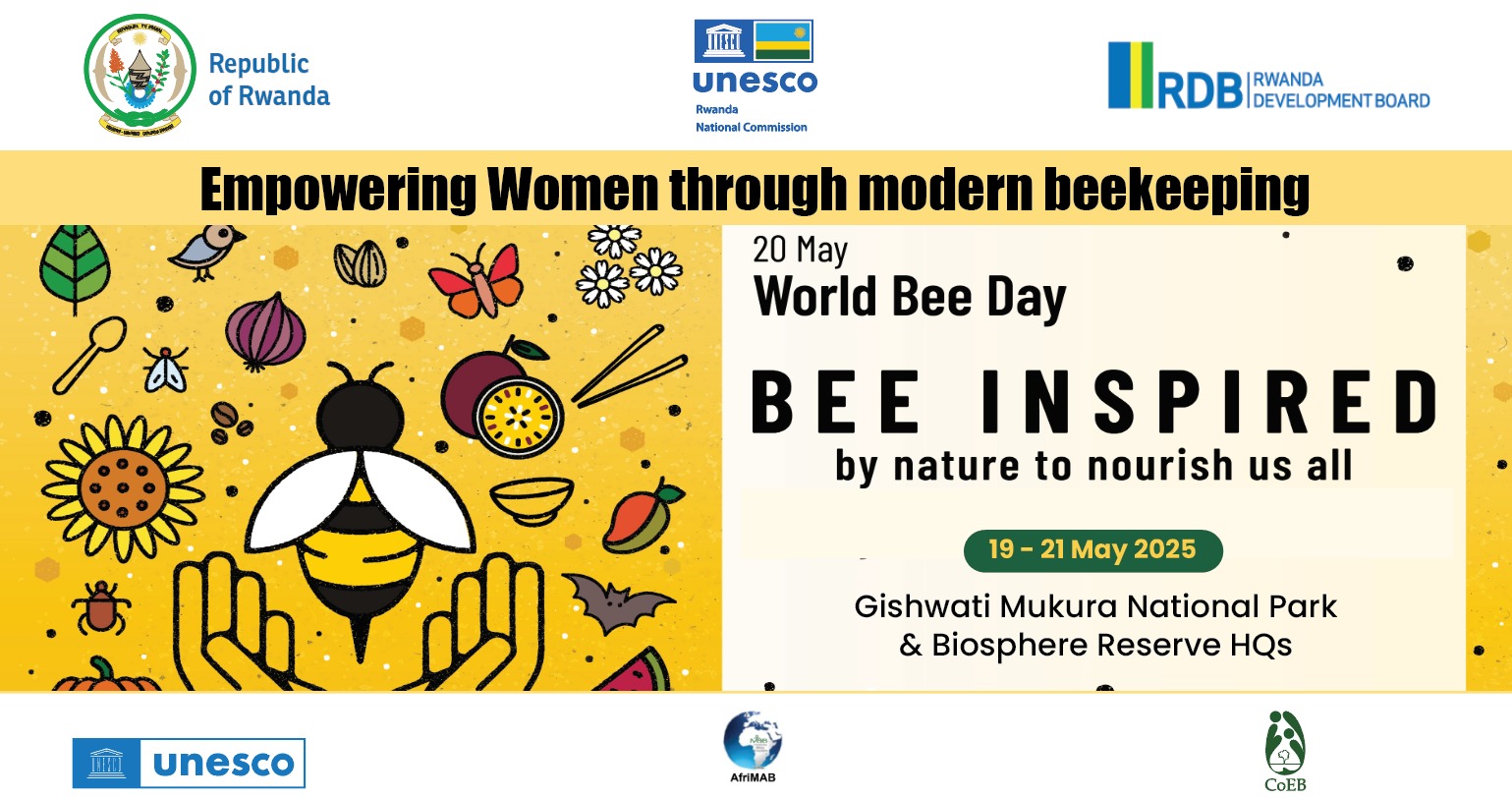
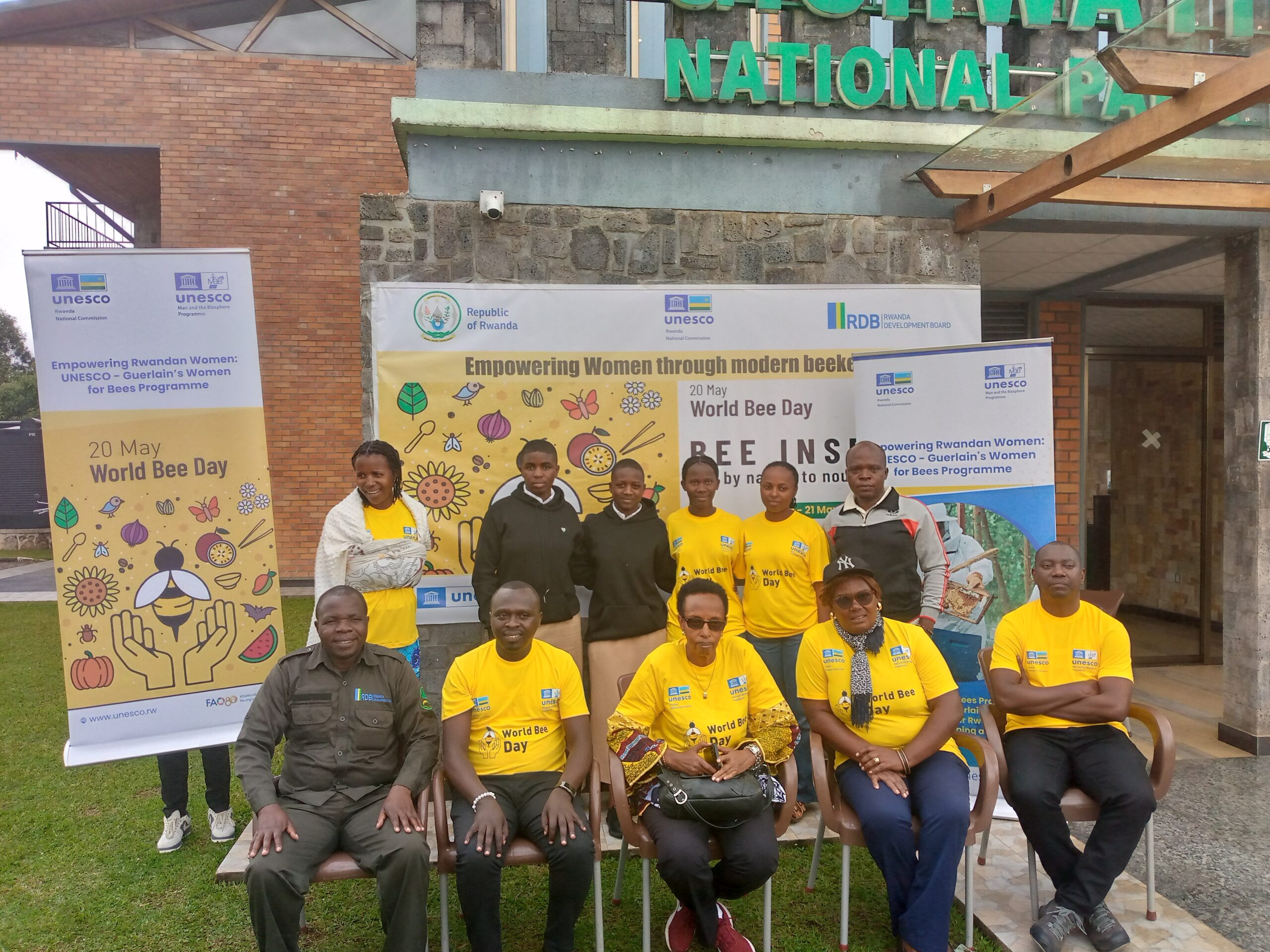
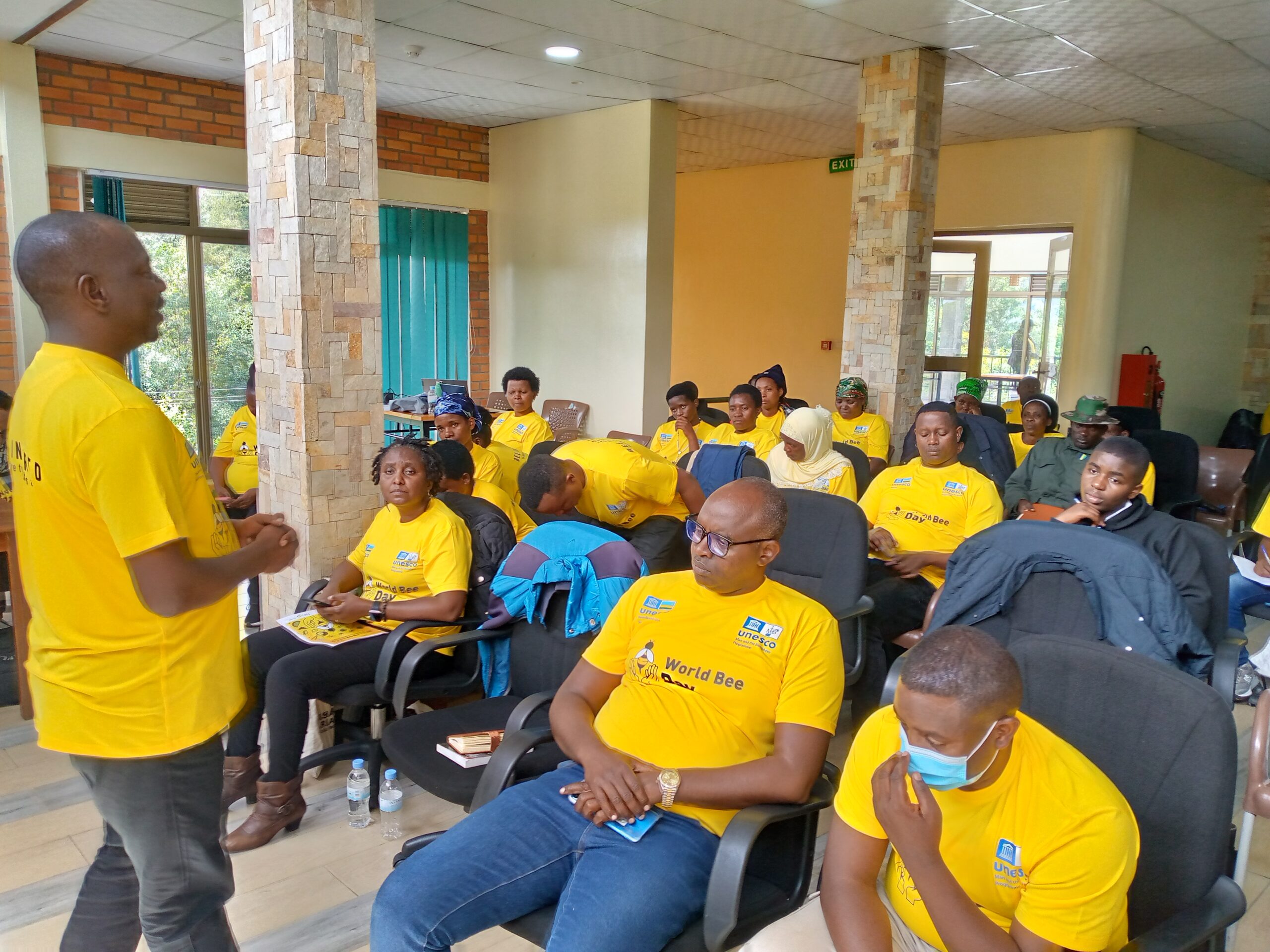
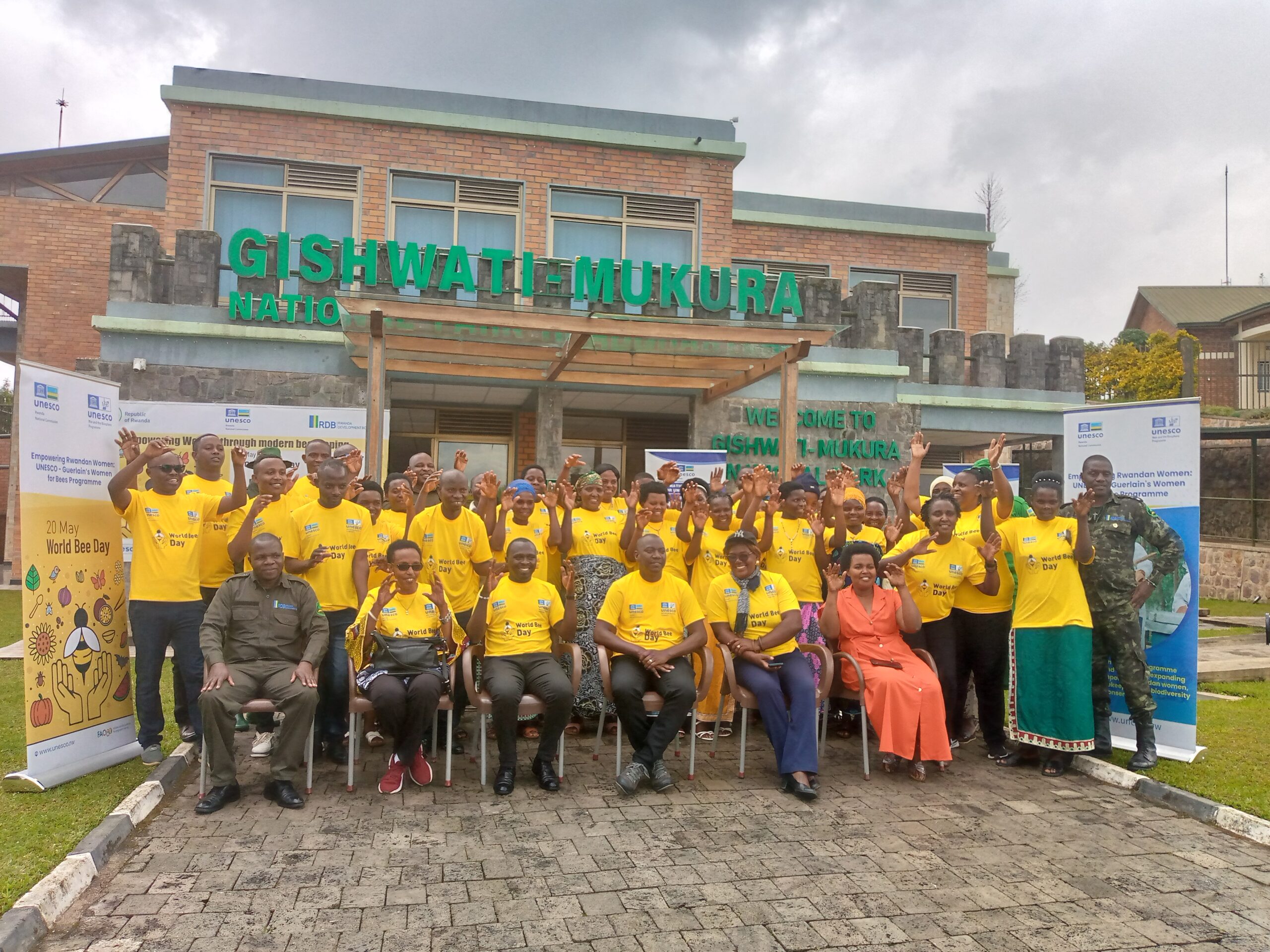
The Rwanda National Commission for UNESCO(CNRU) staff joined the global community at Gishwati-Mukura National Park in Rutsiro District on May 20, 2025, to celebrate World Bee Day with “Women for Bees” trained in beekeeping.
A bee is a major link(pollinator) between male and female plants, as it carries pollen (comparable to sperm cells) while gathering nectar. It takes pollen from the male flower and delivers it to the female flower, enabling it to produce fruit.
The UN Food and Agriculture Organization (FAO) and UNESCO explain that plant reproduction depends on pollinators, with bees being the most important. Others include butterflies, birds, bats, and even the wind.
FAO and other researchers claim that over 90 crops globally are pollinated by bees, birds, and other insects. The yield of fruits and vegetables would decrease drastically without these animals.
Dr. Venuste Nsengimana, a biologist and lecturer at the University of Rwanda, said:”Without bees, you wouldn’t have fruits like mangoes, avocados, beans, or maize.”
Bees also play a key role in environmental conservation because they help keep hills green with plants and trees that purify the air, fight climate change, and enhance the beauty of nature, especially in flower gardens.
Honey and its benefits
The United States Department of Agriculture (USDA) states that honey is rich in Vitamin B1 (Thiamine), which strengthens the brain and heart and prevents fatigue.
Honey contains Vitamin B2 (Riboflavin), which helps the body produce energy and detoxify, contributing to healthy skin, eyes, and hair.
Honey contains Vitamin B3 (Niacin), which aids digestion, regulates blood sugar, and boosts immunity.
Honey has Vitamin B5 (Pantothenic Acid), which prevents stress and fatigue, and supports hormone and energy production.
It also includes Vitamin C (Ascorbic Acid), which boosts immunity and helps prevent colds and skin diseases.
Honey contains minerals like: Calcium for strong bones and teeth, and proper muscle function, Potassium for heart health and blood pressure regulation, Magnesium for muscle relaxation and stress relief, Iron for red blood cell production and preventing anemia, Zinc for improved immunity and faster wound healing, and Phosphorus which works with calcium to strengthen bones.
In general, honey helps the body fight bacteria and disease-causing organisms. It soothes sore throats, relieves coughs, and helps restore energy due to its natural sugars.
Other Products from Bees: Beeswax
Beeswax comes from oils secreted by female bees and is used to store honey and eggs in the hive. When collected with honey, beeswax is not discarded, as it is highly valuable.
Beeswax is used to make:
Cosmetics, like body lotions and creams that prevent dry skin, and lip balms especially during cold weather,
Soaps, that cleanse and protect sensitive skin, food coatings applied on apples, cheese, or cakes to preserve them, and used to make food wraps that replace plastic,
Candles, which emit clean smoke unlike petroleum-based candles, polishes for shoes and metals, enhancing appearance and waterproofing.
In traditional medicine, beeswax is used in ointments to treat wounds and protect damaged or burned skin because of its antibacterial properties.
The theme for World Bee Day is: “Bee inspired by nature to nourish us all.”
Marie Clemence Cyiza, an expert in bee-related journalism and head of Earthrwanda magazine, denounced the use of chemical pesticides in agriculture, as they kill bees. She noted some crops are now left without pollinators.
“Imagine a farmer manually transferring pollen from one flower to another because there are no bees. That’s a lot of work,” Cyiza says.

Chairperson of UNESCO Rwanda National Commission(CNRU), Dr. Marie Christine Gasinzigwa urged the National Agricultural Export Development Board (NAEB) to discourage chemical farming and promote organic agriculture, stating:
“We must think about this because failing to act could end up harming ourselves.”

 Simon Kamuzinzi