
 Simon Kamuzinzi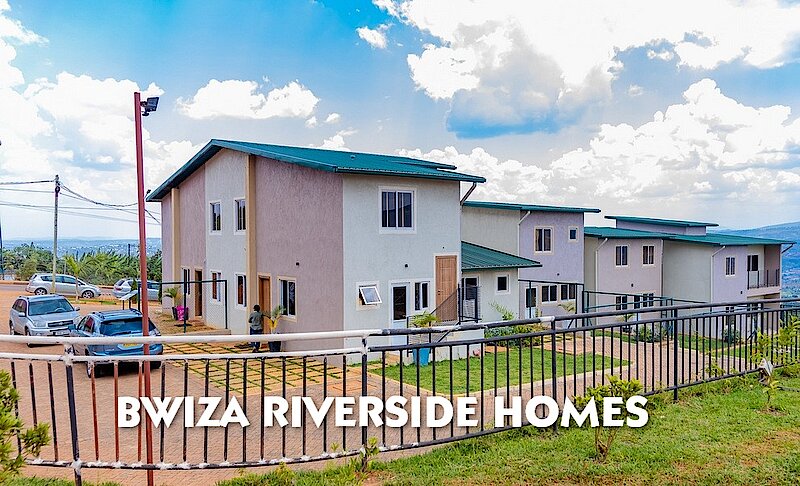
The Government of Rwanda says it has begun providing low-income residents with newly built affordable housing estates. However, so far, these homes remain out of reach for people earning less than 200,000 Rwandan francs per month—especially those hoping to rent.
While appearing before Parliament on Tuesday, MP Madina Ndangiza asked the Minister of Infrastructure, Dr. Jimmy Gasore, to clarify how these so-called “affordable houses” will actually serve low-income earners.
She pointed out that under the government’s five-year plan (running to 2029), Kigali is expected to build 30,000 housing units annually, with 70%—about 21,000—classified as affordable. But she questioned what “affordable” really means in practice, given the financial realities of ordinary citizens.
In response, Minister Gasore explained that Rwanda follows an international benchmark: a household should not spend more than 30% of its monthly income on housing, whether renting or buying through installments.
“In simple terms,” he said, “if a household earns 300,000 francs per month, spending 100,000 francs on housing would be considered affordable—whether that’s rent or a loan repayment.”
A government official involved in affordable housing projects, who spoke anonymously to Radio Umwezi, revealed that 552 units have already been built in Kigali and are currently being sold through installment payments. However, rental options are still not available.
These homes are located in three residential sites across the city: Bwiza in Nyarugenge (Norvège area), Riverside in Gahanga, and another site in Bumbogo, Gasabo District.
The most expensive units in these developments—typically with two large bedrooms or three smaller ones—cost no more than 40 million Rwandan francs, payable over 20 to 25 years.
Current allocation guidelines allow individuals earning up to 1.2 million francs per month to qualify. In practice, buyers may spend up to 50% of their salary—around 600,000 francs monthly—due to additional bank interest of about 20% on top of the government’s 30% affordability benchmark.
The official also noted that no minimum salary threshold has been set. An earlier proposal suggested 200,000 francs, but it faced backlash from teachers and security personnel earning less, who argued that such housing should prioritize them.
According to the 2024 Labour Force Survey by the National Institute of Statistics of Rwanda (NISR), only 16.5% of Rwandans earn less than 100,000 francs per month—yet even the so-called affordable homes require payments of up to 600,000 francs monthly.
Meanwhile, many residents continue to complain about the lack of rental housing, especially as construction has slowed in many areas and demolitions of informal settlements and homes in high-risk zones continue.