
 Simon Kamuzinzi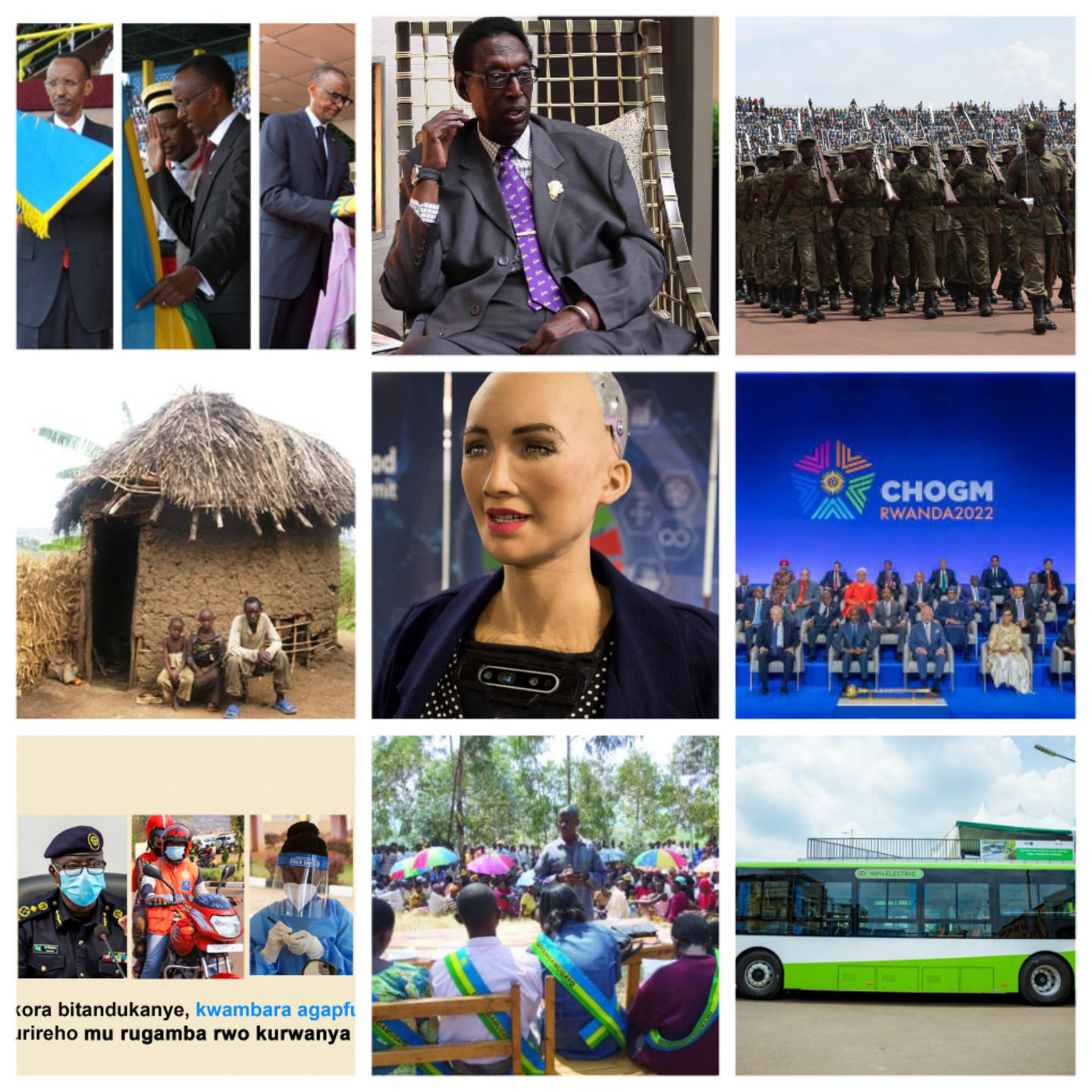
As the 21st century began on January 1, 2000, crowds spent the night at Amahoro Stadium. Some had eaten their last meals, convinced the world was coming to an end. To their surprise, dawn broke peacefully, with nothing extraordinary having happened. Today, 25 years—one quarter of a century—have passed since that moment.
Among the most significant events of these past 25 years is March 23, 2000, when Rwanda’s then President, Pasteur Bizimungu, resigned and was succeeded by Paul Kagame, who at the time was Vice President and Minister of Defence.
President Kagame immediately launched far-reaching reforms from 2000–2001. Communes were abolished and replaced by 106 small districts, while the former 12 prefectures were restructured and renamed provinces.
Rwanda introduced a Decentralisation Policy aimed at bringing governance and decision-making closer to citizens, alongside a National Unity and Reconciliation Policy.
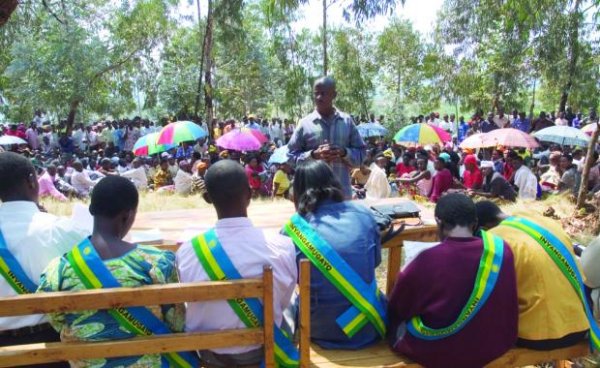
In 2002, Gacaca Courts were established to try cases related to the 1994 Genocide against the Tutsi.
In May 2003, a new Constitution was adopted through a referendum, and in August of the same year, Paul Kagame was elected President by popular vote for the first time.
Between 2003 and 2004, Rwanda experienced a nationwide electricity shortage, following the drying up of the Urugezi wetland, feeding rivers that supplied the Mukungwa and Ntaruka hydropower plants.
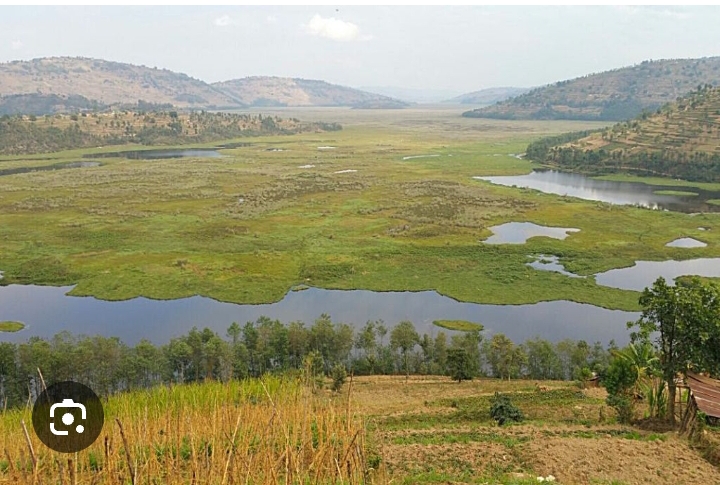
This crisis led to new policies, including zero-grazing, after it emerged that parts of the wetlands had been degraded by grazing, farming, and grass cutting.
Strong environmental protection policies were introduced to safeguard wetlands, rivers, and lakes. To date, farming in protected wetlands is prohibited, and cultivation is banned within 50 meters of rivers, lakes, and wetlands.
As part of environmental conservation, tree-planting initiatives to prevent soil erosion were launched, particularly in Bugesera District in the Eastern Province and the Mayaga region in the South.
Across the country, terracing was introduced on hillsides, largely implemented by prisoners who had confessed to genocide crimes and were serving community service sentences under the TIG programme, which gained momentum around 2006.
In 2006, the 106 small districts were replaced by 416 sectors grouped into the current 30 districts, while provinces were reduced to four, plus the City of Kigali.
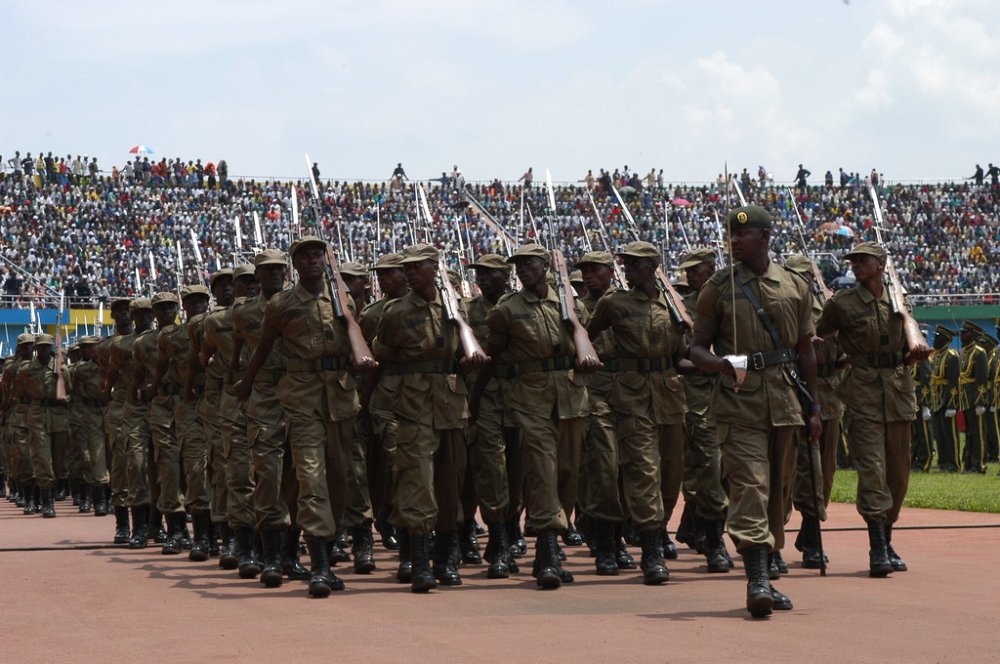
To contribute to global peace and security, Rwanda’s Defence Forces and Police began participating in peacekeeping missions across Africa from 2007, particularly under the United Nations in Sudan, South Sudan, and the Central African Republic.
In foreign relations, tensions with France escalated in 2006 after French judge Jean-Louis Bruguière released a report accusing senior Rwandan military officers of shooting down the plane carrying former President Juvénal Habyarimana on April 6, 1994.
Relations deteriorated further until November 9, 2008, when Rose Kabuye—one of the accused officers—was arrested at Frankfurt Airport in Germany and transferred to France. She was later released, and the charges were dropped in April 2009, following widespread protests in Rwanda against France and Germany.
In 2008, President Kagame led a land-sharing programme following complaints from poor citizens who accused senior officials of land grabbing, leaving them without land for farming or livestock.
From 2007 to 2009, the Land Consolidation and Crop Intensification Program was strongly enforced. However, in some areas it caused tensions as traditional crops such as sorghum and sweet potatoes declined, replaced by maize and beans.
Between 2007 and 2011, Rwanda intensified housing reforms through the eradication of grass-thatched houses and promotion of grouped settlements (imidugudu). The proportion of citizens living in villages increased from 17.6% in 2005/2006 to 65% in 2022.
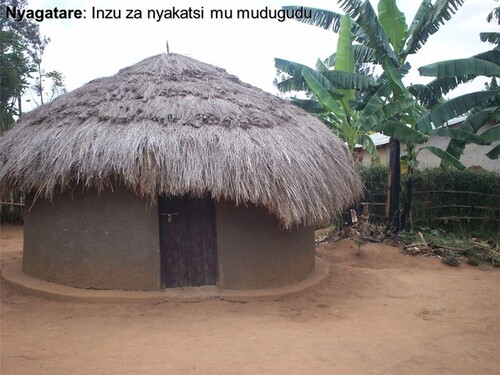
Grass-thatched houses declined from 9.8% in 2005/2006 to 0% by 2016/2017, according to the 2024 NISR Statistical Yearbook.
In education, Rwanda stopped using French as the medium of instruction in 2008, switching entirely to English from primary to university level, in preparation for joining the Commonwealth in 2009 and the East African Community.
In 2009, the government launched the 9-Year and 12-Year Basic Education programmes to expand access to education and reduce dropout rates linked to limited boarding school spaces.
Between 2006 and 2009, Kigali City Tower—the country’s first high-rise building with 18 floors—was constructed on the former city bus park site. Around the same period, minibus taxis were phased out and replaced by coaster buses.
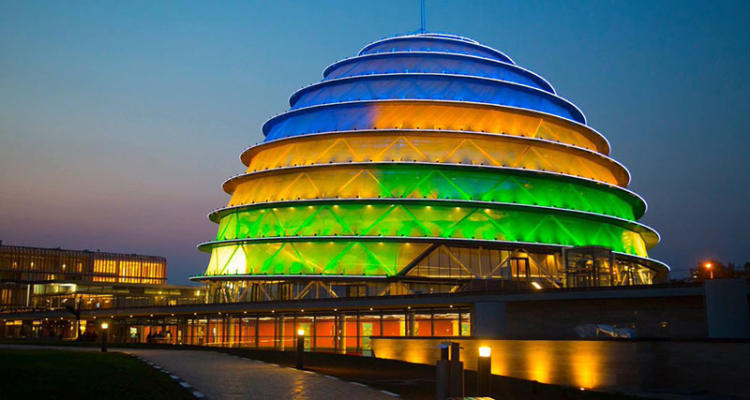
Construction of the Kigali Convention Centre began in 2007 and was completed in 2016. Informal settlements in Rugando and Lower Kiyovu were cleared, and residents were relocated to planned housing in Batsinda.
In 2009, MTN Rwanda faced competition for the first time with the entry of Tigo, followed by Airtel in 2010. That same year, MTN SIM card prefixes changed from 08… to 078…, later expanding to new ranges as subscriber numbers grew.
In 2010, President Kagame was re-elected for a second term amid political tensions involving opposition figures such as Kayumba Nyamwasa and Victoire Ingabire.
In 2011, Kimironko-Remera Cemetery was closed due to capacity constraints, and Rusororo Cemetery was opened, which is now also nearing full capacity.
Between 2010 and 2012, Rwanda rolled out nationwide fibre-optic internet infrastructure, accelerating the shift from basic mobile phones to smartphones, from desktop computers to laptops, and from bulky televisions to flat screens.
In 2013, the Agaciro Development Fund—established in 2008—was strengthened to offset potential cuts in foreign aid linked to allegations surrounding Rwanda’s involvement with the first M23 rebellion.
Today, the fund reportedly holds close to RWF 300 billion, supporting major infrastructure projects.
That same year, industries began relocating from Gikondo wetlands to the Kigali Special Economic Zone in Masoro. The rehabilitated wetlands are now used for tourism, flood control, water storage, and filtration.
In 2014, industrial relocation continued, alongside rapid digital transformation, particularly in broadcasting, as Rwanda transitioned from analogue to digital transmission using decoders.
In 2015, millions of Rwandans petitioned Parliament to amend Article 101 of the Constitution to allow the incumbent President to run again in 2017. A constitutional referendum held on December 18–19, 2015 approved the amendments.
In 2016, the Kigali Convention Centre was officially inaugurated, starting with the African Union Summit held on July 17–18, after which President Kagame was appointed to lead AU institutional reforms.
On October 15, 2016, the centre also hosted a major international conference on implementing the Montreal and Paris agreements to reduce HFC emissions.
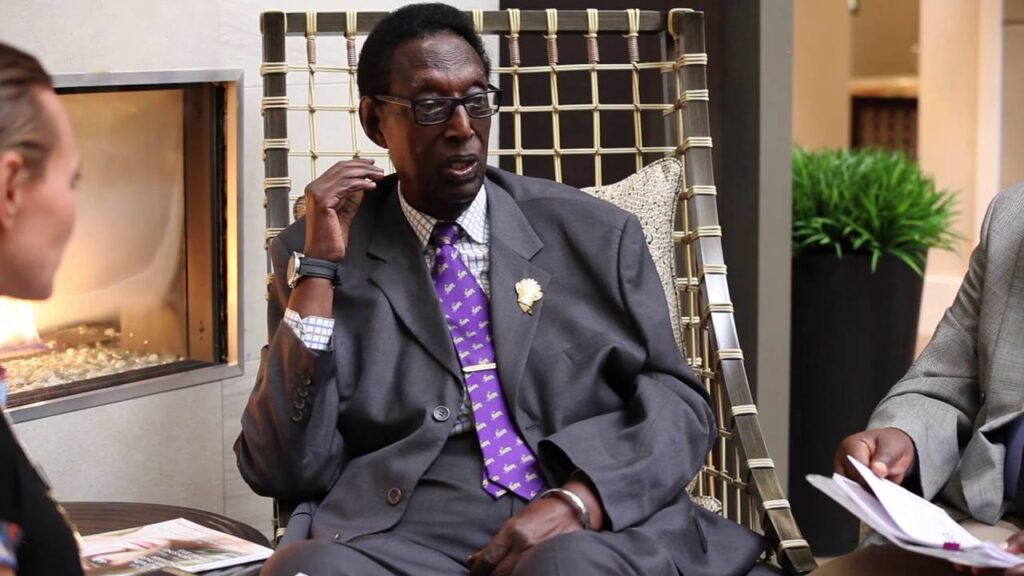
In the same year, on October 16, Rwanda’s last King, Kigeli V Ndahindurwa, passed away in the United States. His remains were repatriated on January 9, 2017, and he was laid to rest in Mwima, Nyanza, on January 15, 2017.
On August 4, 2017, President Kagame won re-election with 98.7% of the vote. In 2018, the ruling RPF Inkotanyi won parliamentary elections, further strengthening Rwanda’s global reputation for gender equality, with women holding 61% of parliamentary seats.
In 2019, Kigali Arena (now BK Arena) was inaugurated on August 9, becoming a hub for sports, concerts, and entertainment. That year also featured major initiatives such as Tour du Rwanda and the Gerayo Amahoro road safety campaign.
As Vision 2020 approached, Rwanda’s GDP had grown more than fivefold—from USD 2.07 billion in 2000 to USD 10.17 billion by 2020.
In late 2019, residents were fully relocated from Kigali wetlands to safer areas such as Karama, Gikomero, Rutunga, Mageragere, and Kanyinya. However, a looming global threat—COVID-19—was beginning to emerge.
On March 14, 2020, Rwanda confirmed its first COVID-19 case, and by March 21, a nationwide lockdown (Guma mu Rugo) was imposed. For the first time in history, travel halted, schools, churches, entertainment venues, and social events were closed.
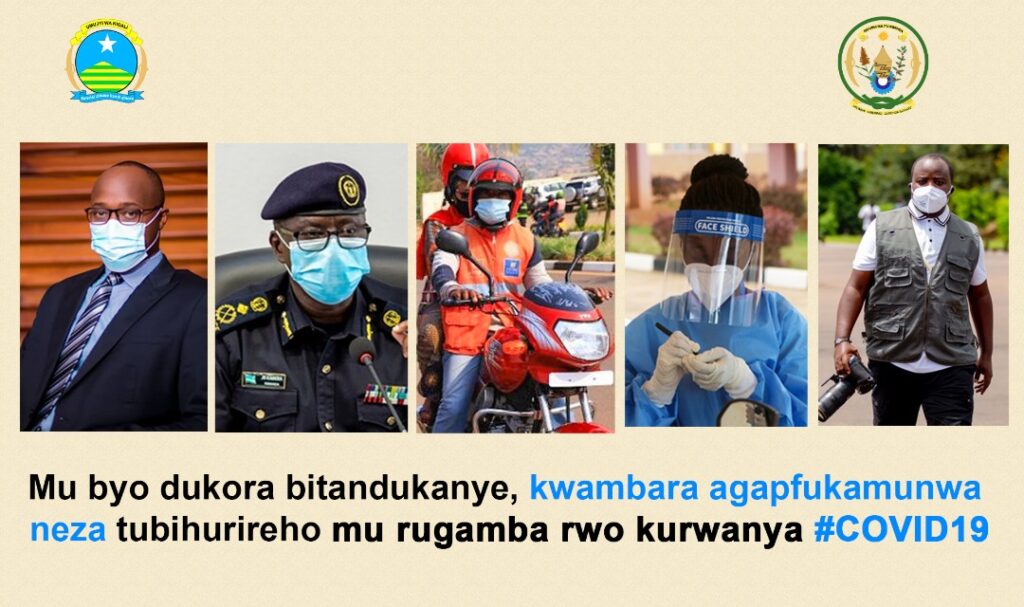
Strict health measures were enforced, including mandatory face masks, handwashing, social distancing, curfews, and localized lockdowns. Food aid was distributed to quarantined urban residents, though some agricultural produce rotted due to labour shortages.
By the end of 2020, over 8,000 COVID-19 cases had been recorded. Economic growth fell to 0%, down from around 10% in previous years.
Vaccination began in February 2021, prioritizing health workers and security personnel. Schools reopened, though overcrowding emerged, prompting Cabinet approval for the construction of 22,505 new classrooms nationwide.
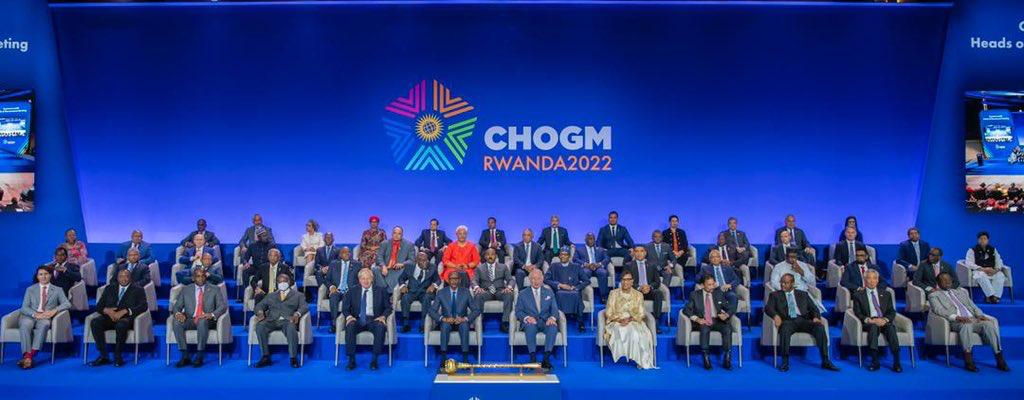
Preparations for the Commonwealth Heads of Government Meeting (CHOGM) intensified, leading to major infrastructure upgrades and strict hygiene standards. In 2022, Rwanda hosted CHOGM, and the humanoid robot Sophia famously visited the country.
However, 2022 was also marked by global conflicts—the Russia-Ukraine war and renewed M23/AFC fighting in eastern DRC—both of which had direct and indirect impacts on Rwanda.
By 2023, combined effects of these conflicts and COVID-19 led to sharp price increases, with a kilogram of potatoes selling for up to RWF 2,000 in some areas.
Floods and landslides in 2023–2024 forced the relocation of thousands of residents from high-risk zones in Kigali.
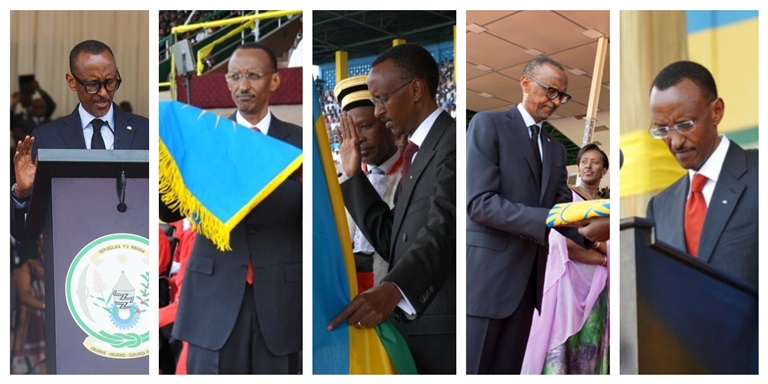
In 2024, President Kagame was re-elected for a new five-year term, with presidential and parliamentary elections held concurrently. His inauguration took place at the renovated Amahoro Stadium on August 11, 2024, now seating up to 45,000 people.
Between 2024 and 2025, over 9,000 churches were closed for failing to meet safety standards, with some shut permanently due to allegations of divisionism or non-compliance with government policies.
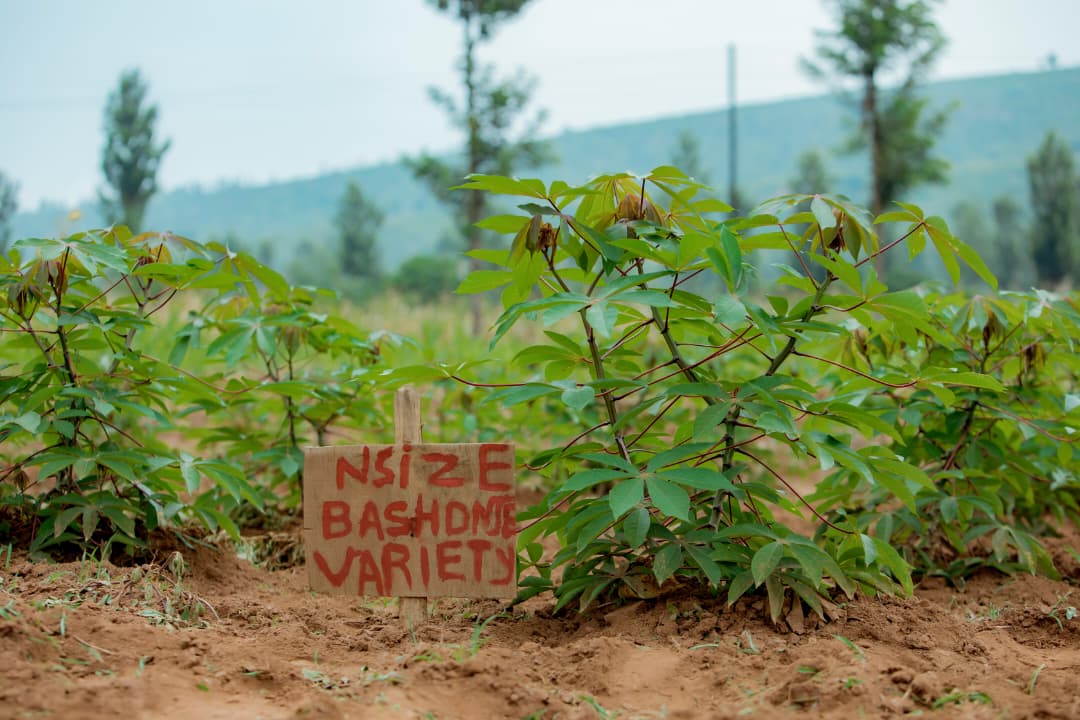
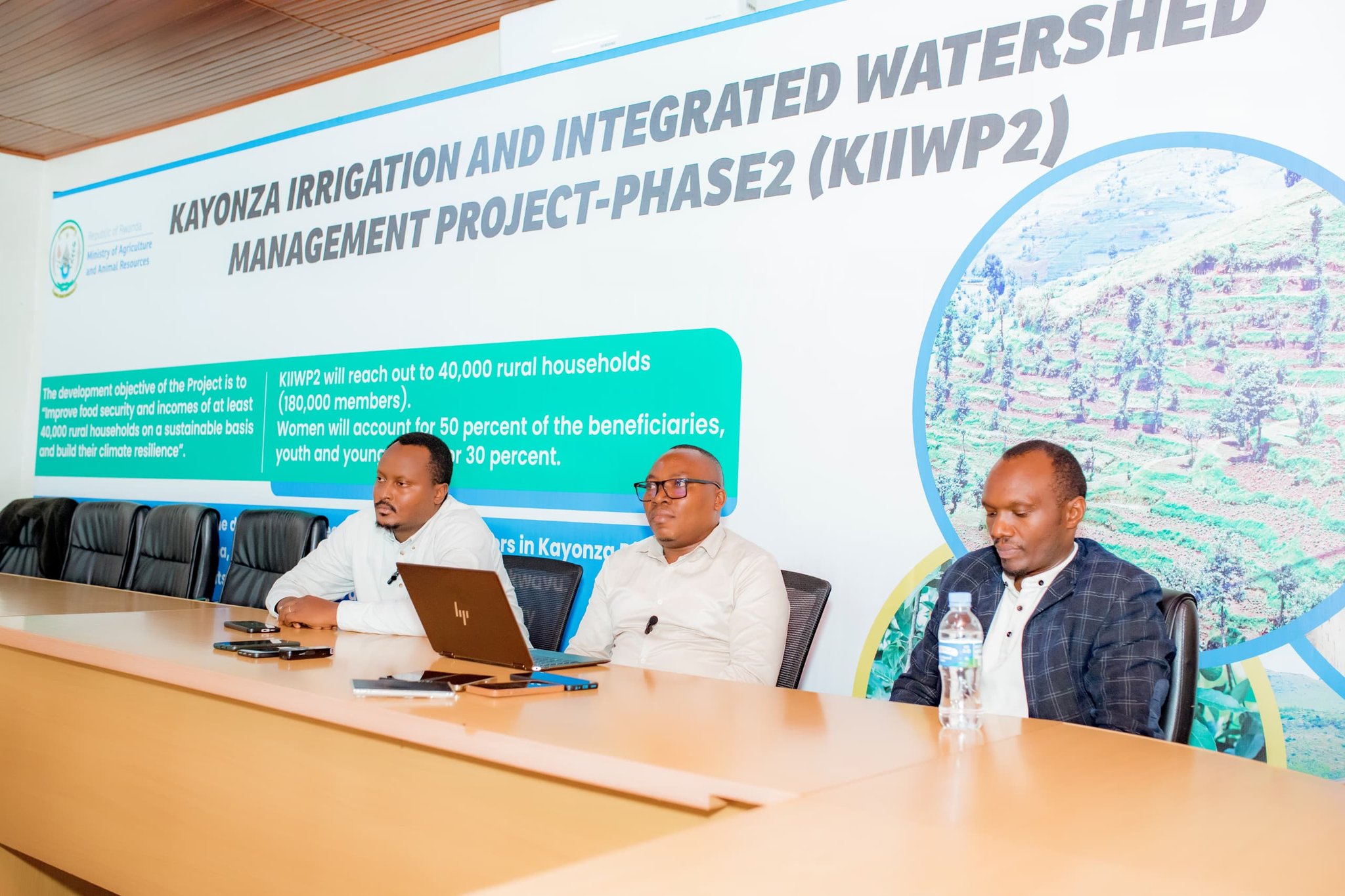
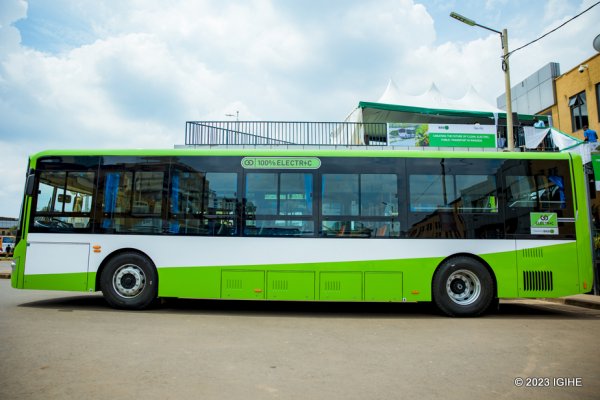
As 2025 ends, Rwanda is intensifying efforts to combat climate change through irrigation-based agriculture, expanded electric public transport, and modern high-density housing.
A new digital national ID is set to be issued starting in 2026, alongside the planned rollout of a Central Bank Digital Currency (CBDC), aligning with Vision 2050.
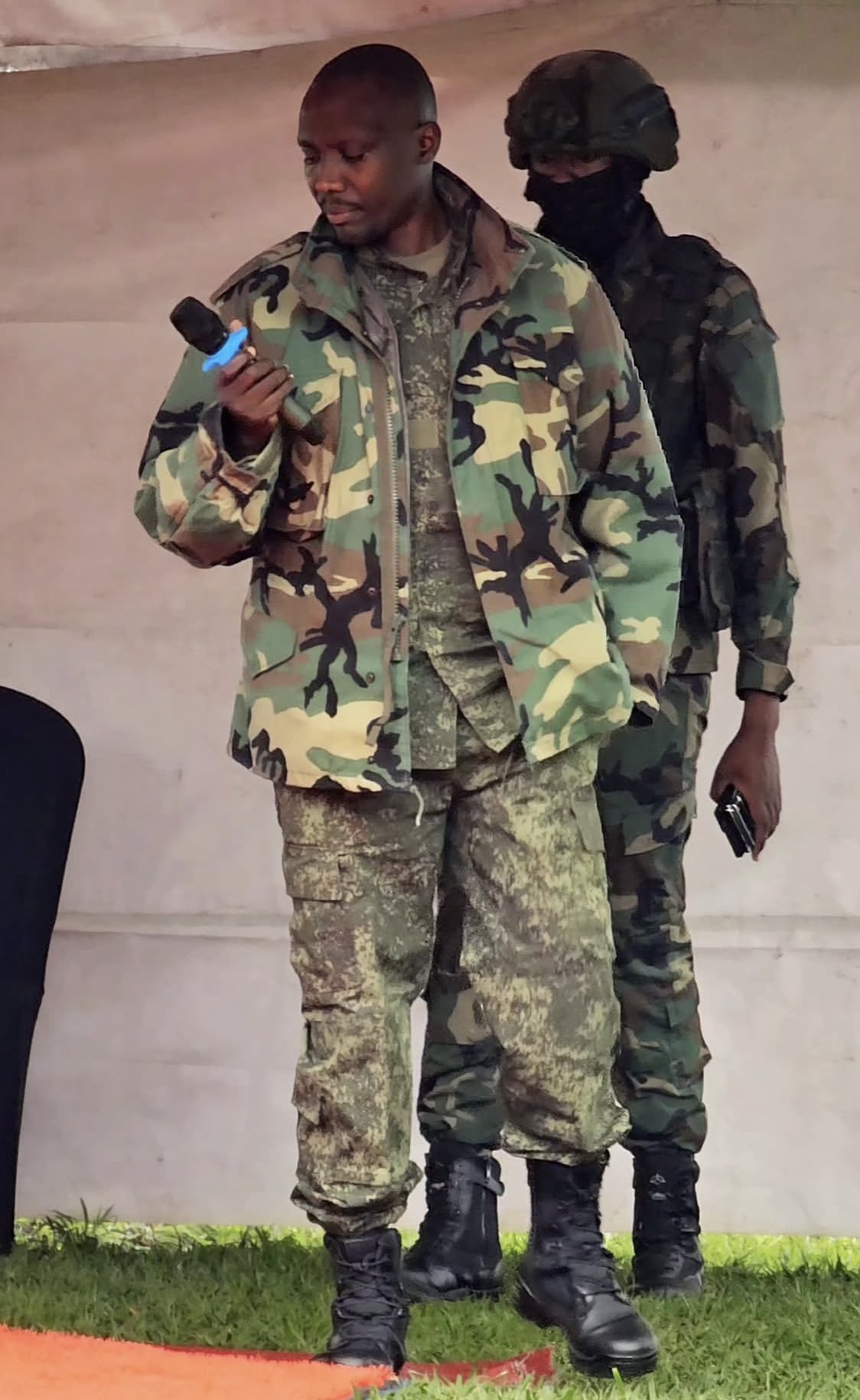
Meanwhile, instability persists in eastern DRC, with continued clashes between M23/AFC and the Congolese government. Rwanda continues to face accusations linked to the conflict, straining relations with some neighbouring countries.