
 Simon Kamuzinzi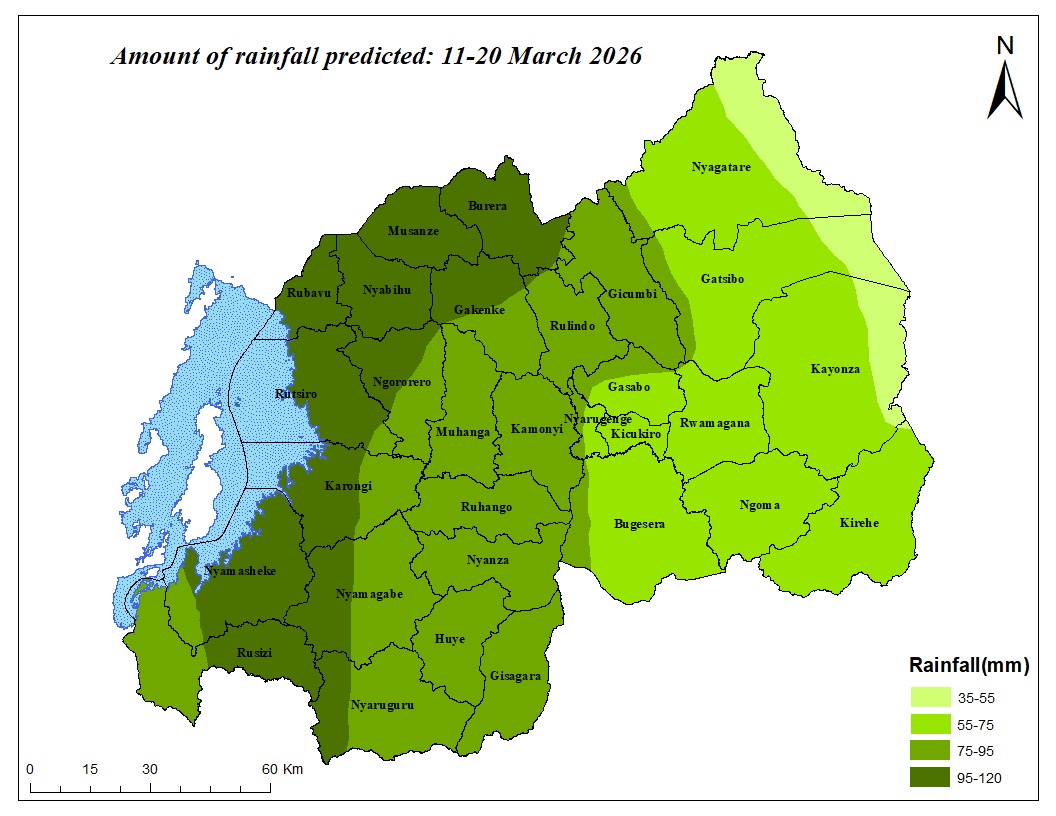
Residents in Rwanda—particularly those living on steep hillsides—are being advised to stop directing rainwater into pits dug within their compounds. Instead, they are encouraged to channel all runoff into designated drainage systems. This measure aims to reduce the risk of soil weakness that can lead to landslides or collapsing embankments.
Nakabonye Immaculée was repairing her house in Gitega Sector of Nyarugenge District, one of the steep areas in the City of Kigali where residents face a danger of landslides or collapsing slopes. In such locations, rainwater that infiltrates pits commonly used to dispose of rainwater or household wastewater can gradually weaken the ground, increasing the likelihood of soil movement.
Nakabonye expressed concern that residents living downhill from her could be endangered by landslides or falling embankments. The area has been inhabited for many years, and residents had long been encouraged to dig pits to retain rainwater and wastewater within their compounds rather than letting it flow into neighboring properties.
“Because my house is located near a steep embankment, water entering the pit softens the soil around it,” she explained. “If heavy rain continues to be collected there, the slope could eventually collapse. That is why I now let the water flow into the roadside drainage channel below my house.”
She said she made this decision after the pit used to collect wastewater from her home developed cracks and began leaking, allowing waste to seep out downhill—above where her neighbors live.
The Ministry in charge of Emergency Management (MINEMA) and the Rwanda Meteorology Agency (Meteo Rwanda) warn that the soil has already become saturated after prolonged rainfall. As the rainy season intensifies, residents are urged to check whether water is continuing to seep into the ground beneath their homes.
Rwanda’s Minister in charge of Emergency Management, Maj. Gen. (Rtd) Albert Murasira, explained that in some areas houses are built on layers of soil resting above rock. When the soil becomes overly saturated, it can turn unstable—almost like slurry—and slide over the rock surface, carrying houses with it if rainwater continues to infiltrate the ground.
“Digging pits to collect water does not actually stop the water from moving,” said Maj. Gen. (Rtd) Murasira. “The water eventually seeps deeper into the soil anyway. The better solution is to build proper drainage channels or pipes that direct household water toward wetlands or streams.”
Minister Murasira added that discussions are ongoing with institutions responsible for construction and infrastructure—including the Ministry of Infrastructure (MININFRA), the City of Kigali, and other cities across Rwanda. One proposal under consideration is requiring residents to store rainwater in reinforced underground tanks, while any excess water would be directed into drainage systems instead of being absorbed into the soil.
The Ministry of Emergency Management issued this advisory following Meteo Rwanda’s 10-day weather forecast, which indicates that rainfall in Rwanda during March 2026 is expected to exceed the seasonal average.
The forecast for the second ten-day period of March (March 11–20) predicts rainfall between 35 and 120 millimeters. By comparison, the average rainfall during this period usually ranges between 27 and 110 millimeters.
MINEMA and Met Rwanda warn that persistent rainfall—combined with thunderstorms and strong winds expected during the second half of March—could increase the risk of disasters. Rwandans are therefore encouraged to remain vigilant and follow guidance issued by disaster-prevention authorities to minimize the potential impacts of heavy rain, lightning, and strong winds.
Over the past five years, landslides and collapsing embankments linked to heavy rains have affected thousands of people across Rwanda, according to data from the Ministry in charge of Emergency Management (MINEMA) and various disaster reports.
Government statistics indicate that hundreds of landslide incidents have been recorded nationwide during this period, contributing to more than 150 deaths and the destruction or damage of hundreds of homes.
In some cases, communities living in high-risk zones have had to be relocated from areas considered vulnerable to landslides and flooding. Authorities say the risks are heightened by the country’s steep terrain and increasingly intense rainfall seasons, which saturate the soil and can trigger slope failures, particularly in mountainous regions and hillside neighborhoods of urban areas such as Kigali.