
 Simon Kamuzinzi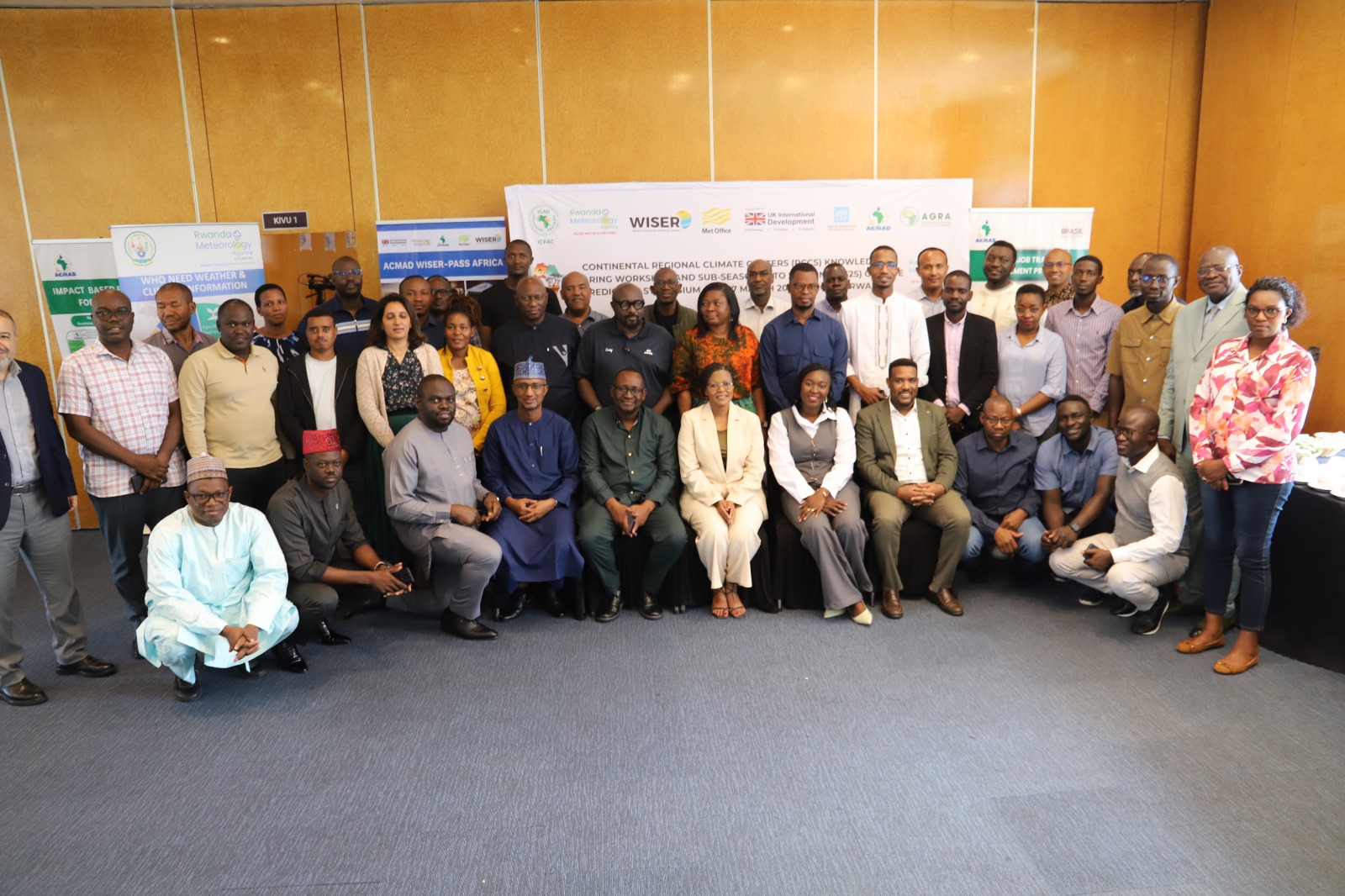
KIGALI — African climate and health experts have launched a new initiative designed to help countries anticipate and respond to diseases linked to climate change.
“To help countries in Africa turn climate and weather information into real, everyday health protection and action, the African Centre of Meteorological Applications for Development (ACMAD), in collaboration with the World Health Organization (WHO) – World Meteorological Organization (WMO) Climate and Health Joint Programme, has officially launched the first Africa Climate–Health Desk hosted at ACMAD in Niamey, Niger,” a press release issued on March 13 said.
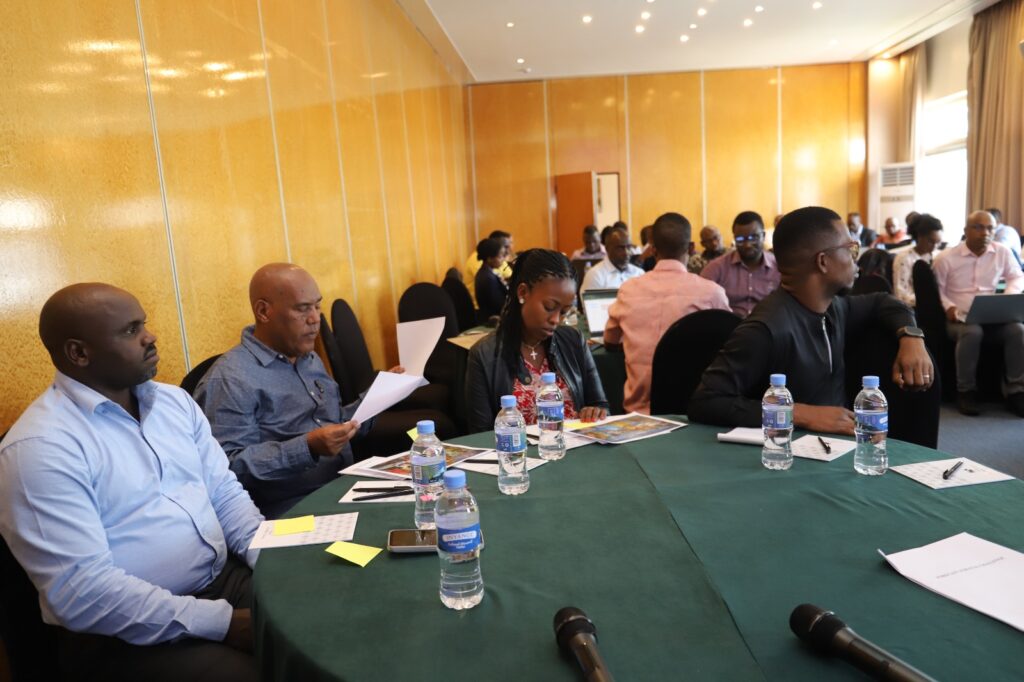
The launch took place in Kigali during a continental knowledge-sharing workshop held under the Africa Continental Climate Outlook Forum (ACCOF).
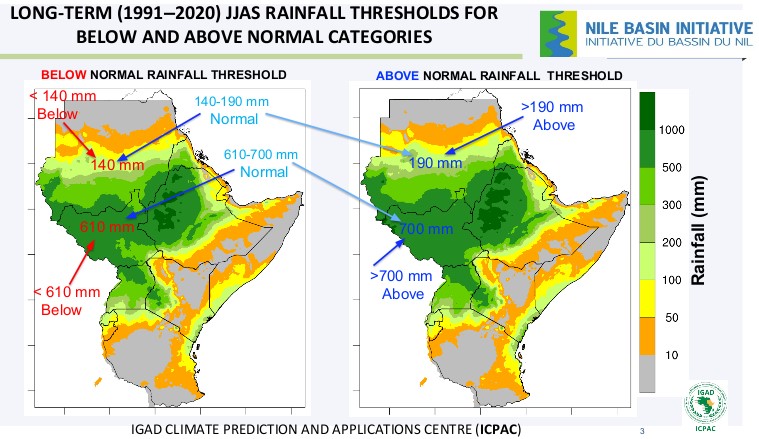
The forum brings together climate scientists from regional climate centres, national meteorological services and sector experts from across Africa to discuss seasonal forecasts and their impact on sectors such as health.
The Africa Climate–Health Desk, now led by Sandrine Wendlasida Combéré, is designed to bridge the gap between climate science and public health decision-making.
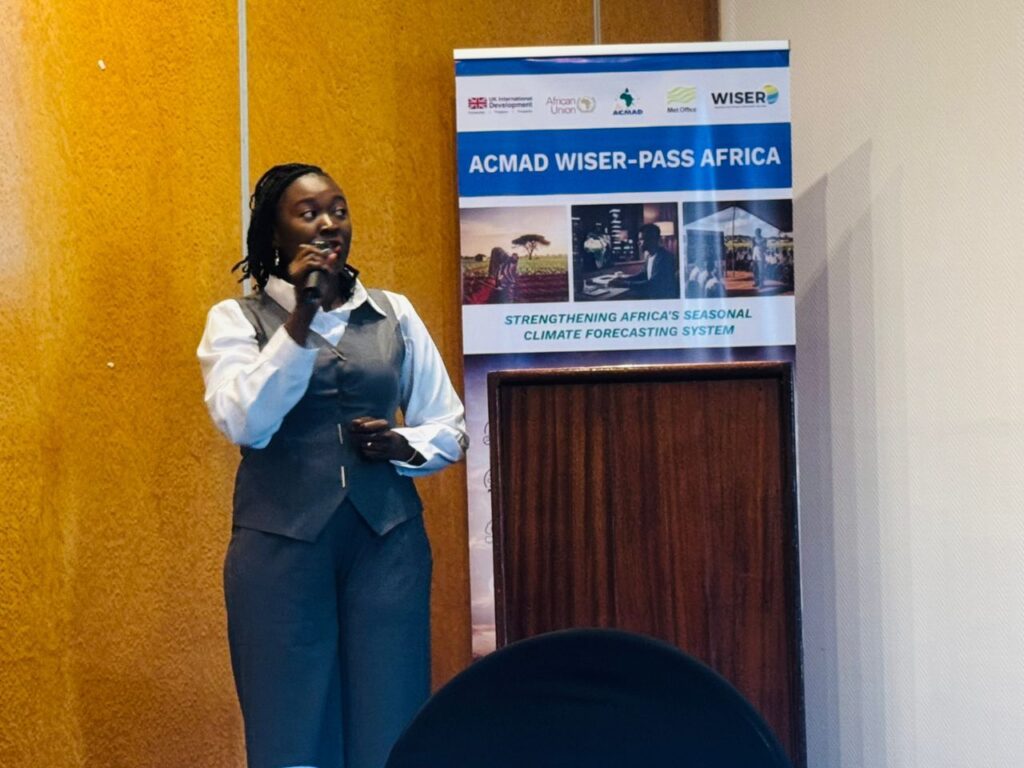
According to the press release, the initiative aims to translate weather and climate information into practical guidance for health authorities, hospitals, communities and policy makers.
“As extreme heat and other climate and health hazards intensify across the continent, the new Desk is designed to translate and transmit life-saving climate intelligence to reach health authorities, hospitals, communities and decision-makers who need it most.”
Experts from meteorological institutions, health agencies and international organizations spent a week in Kigali discussing how to improve collaboration between climate and health sectors.
Through the Africa Climate–Health Desk, climate forecasts will be transformed into health-relevant advisories and bulletins to help countries anticipate climate-sensitive diseases.
These include early warnings linked to heatwaves, floods and other climate hazards that can trigger disease outbreaks.
Africa is already experiencing increasingly frequent and intense climate extremes.
“Heatwaves, floods, and droughts are placing growing pressure on health systems, food and water security, and national economies.”
The changing climate is also influencing the spread and timing of several diseases.
“These environmental extremes are also changing the distribution and timing of vector-borne diseases including malaria and dengue, and triggering compound risks such as dust and heat, increasing the risk of meningitis.”
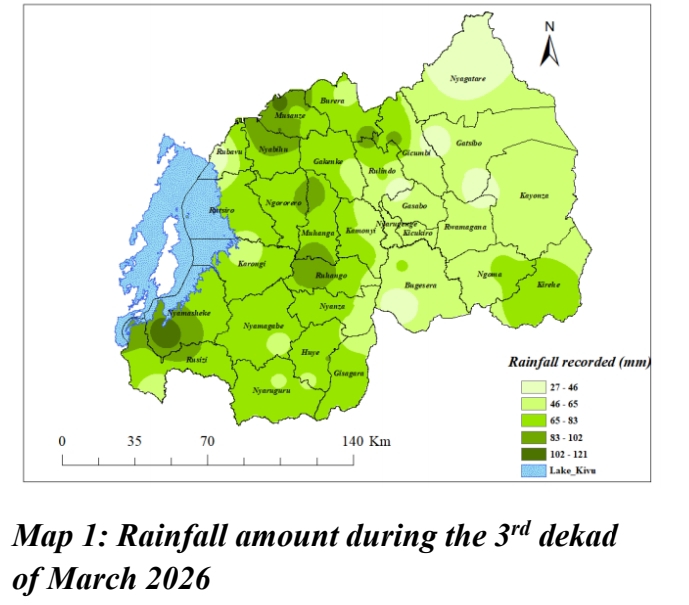
In Rwanda, for example, several illnesses tend to increase during the rainy season.
Health facilities often report higher numbers of infections, flu and intestinal worms caused by contaminated water. Malaria also rises as mosquitoes breed in stagnant water.
In other parts of Africa, dengue is another major concern. The mosquito-borne disease is estimated to kill between 20,000 and 40,000 people globally each year.
During dry seasons, intense heat and dust can increase the risk of meningitis outbreaks, requiring health authorities to raise public awareness and prepare response measures.
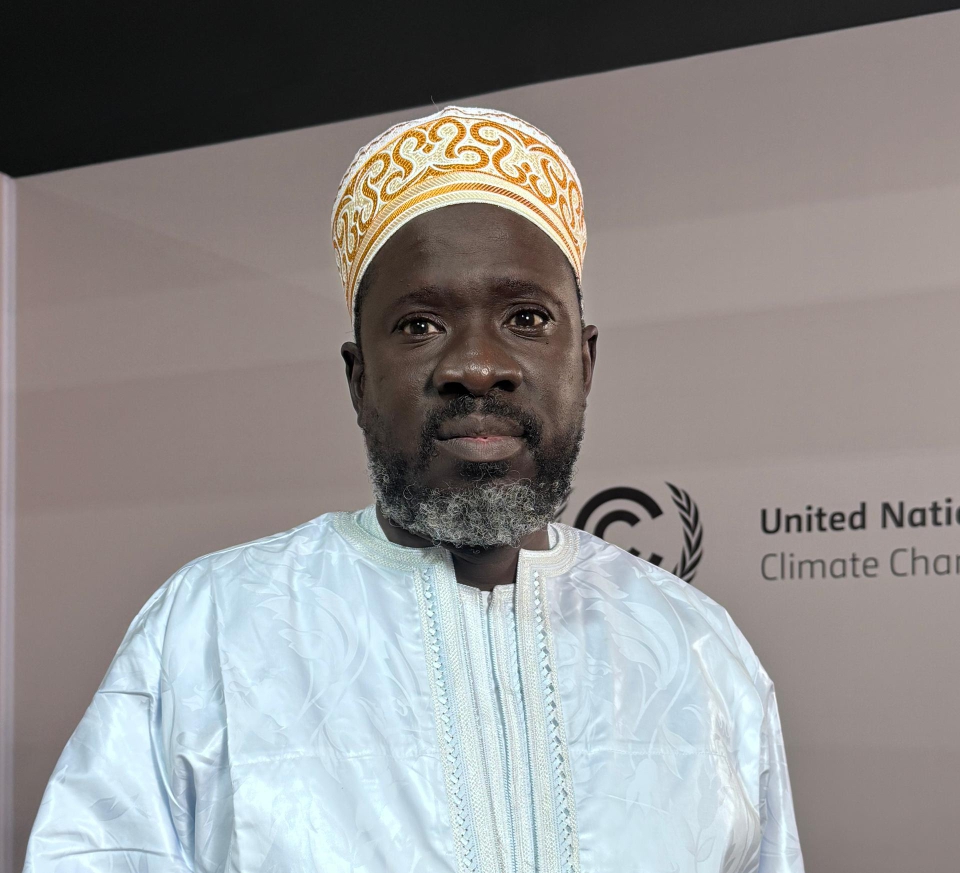
Dr Ousmane Ndiaye, Director-General of ACMAD, said the new desk will help integrate climate information into health decisions.
“Climate change is reshaping health risks across Africa, challenging countries to stay one step ahead. Our real opportunity lies in anticipation: Africa cannot afford to wait for emergencies to unfold.”
He said the desk will strengthen collaboration with partners including WHO, WMO and the Africa Centres for Disease Control and Prevention (Africa CDC).
The initiative will also work with the Weather and Climate Information Services Programme (WISER) under the UK Met Office and other partners.
“With our Climate Services Expert Sandrine Wendlasida Combéré leading the Desk, we now have a dedicated point of connection building bridges between the meteorological and health community across the region, so that climate information directly supports prevention, preparedness, and protection of people’s lives and livelihoods,” Dr Ndiaye said.
Joy Shumake-Guillemot, Head of the WHO–WMO Climate and Health Joint Programme, said the initiative marks an important step in strengthening cooperation between climate scientists and health experts.
“The launch of the Africa Climate–Health Desk marks an important milestone creating, for the first time, a regional multi-disciplinary team who can innovate, consolidate, and strengthen authoritative information on climate risks to health.”
She said better coordination between climate and health sectors will help ensure earlier warnings, better planning and faster response to climate-related health risks.
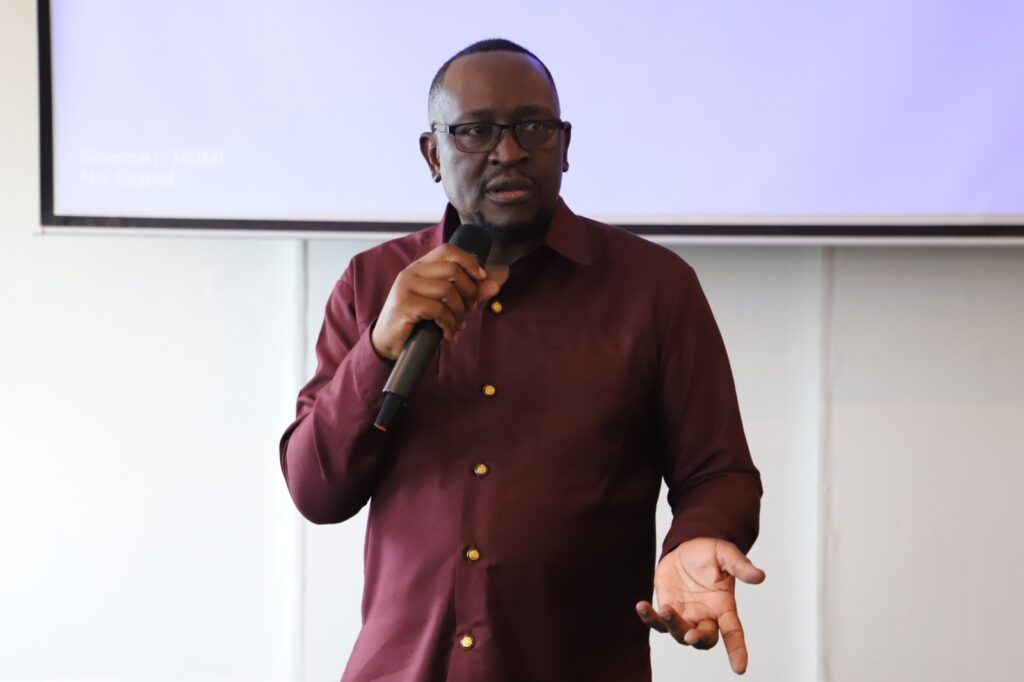
Lore Collison, trainer
Participants at the Kigali workshop also discussed how climate forecasts can guide practical public health actions.
Sandhya Dindyal, from the Mauritius Meteorological Services, said weather forecasts can help anticipate disease risks.
For example, when heavy rainfall is predicted, authorities should prepare for possible disease outbreaks linked to floods or contaminated water.
In Mauritius, she said, communities are advised to boil drinking water during heavy rains and eliminate stagnant water around homes where mosquitoes that transmit malaria and chikungunya breed.
Dindyal also stressed that climate information must be communicated in ways that everyone can understand.
Weather advisories, she said, should reach both urban and rural communities and be accessible to people of different education levels, ages and abilities.
Experts say linking climate forecasts with public health planning will help African countries move from reacting to outbreaks to preventing them earlier.