
 Simon Kamuzinzi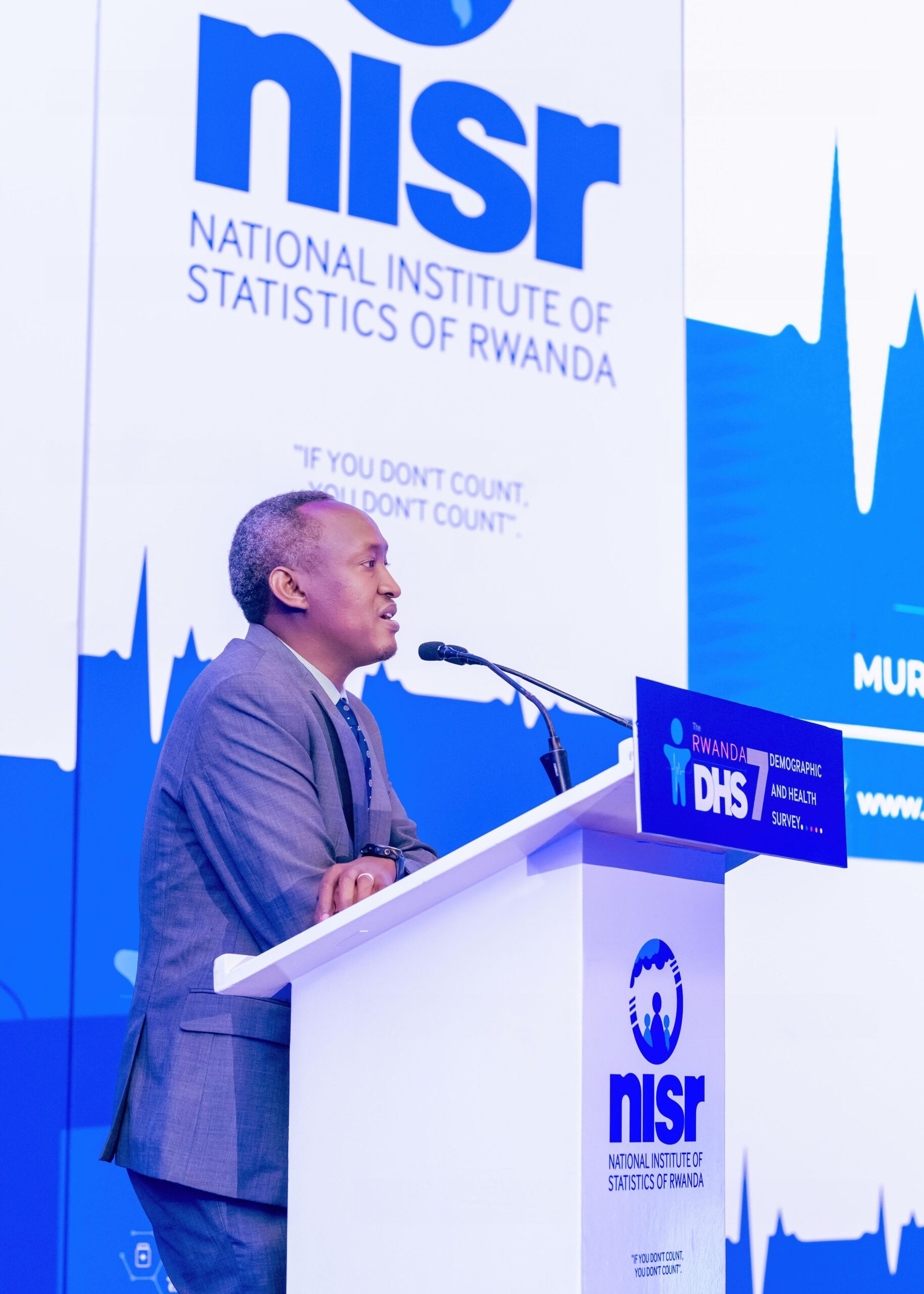
The Seventh Rwanda Demographic and Health Survey (DHS7), released by the National Institute of Statistics of Rwanda (NISR) on Wednesday, December 17, 2025, shows that a significant proportion of married women in Rwanda no longer wish to have children.
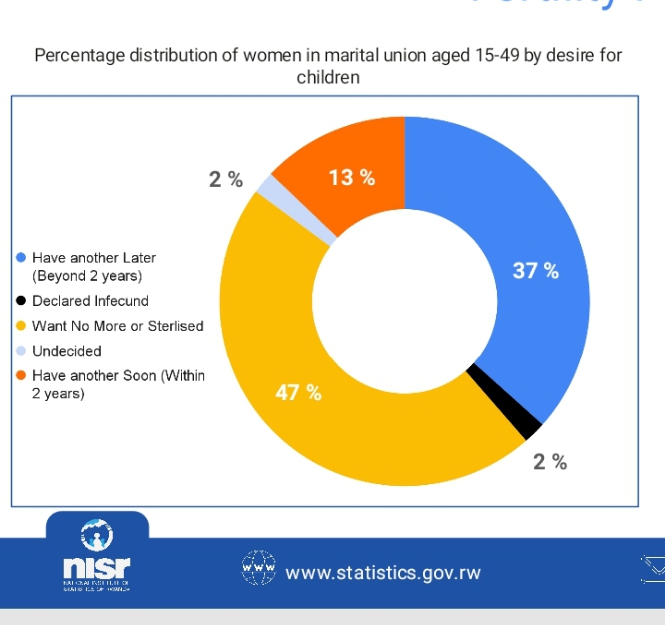
According to the findings, 47% of women in marital unions say they do not want any more children and have already adopted permanent or long-term family planning methods, while another 37% say they would like to have children but not in the near future—at least not within the next two years.
The survey interviewed women of reproductive age (15–49 years), including those who still expressed a desire to have children. Among them, 2% said they had not yet decided whether they planned to have children soon, while another 2% reported that they were no longer able to conceive (infecund).
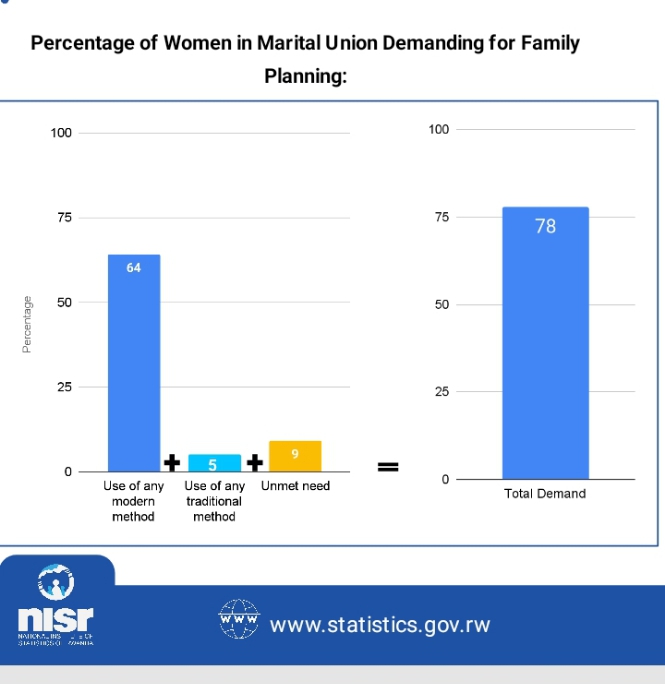
Among women who said they no longer want children or prefer to delay childbirth, 64% are using family planning services, with the majority opting for modern, medically approved contraceptive methods.
KIGALIINFO spoke to several married women who trade in markets around Gisozi in the City of Kigali. They said the rising cost of living is making family life increasingly difficult, leaving them worried about their ability to raise children.
Janet Mukashyaka said: “How can you give birth when you don’t even have a place to shelter your children? Some of us struggle to pay rent and are constantly at risk of eviction. With this level of poverty and unemployment, where would you even put those children?”
Mukashyaka added that Early Childhood Development (ECD) centres offer limited support because they only keep children for four to five hours a day—from around 7 a.m. to midday. As a result, parents do not have enough time to work and earn sufficient income to support their families.
Another parent, known as Mama Deborah, said that within those few working hours, parents can hardly earn more than 1,000 Rwandan francs per day—“an amount that cannot even support one person, especially at a time when the national currency continues to lose value day by day.”
These concerns are being raised at a time when the average number of children per household in Rwanda continues to decline—from 6.1 children in 2005 to 3.7 in 2025—according to the DHS7 report.
An analysis conducted by Artificial Intelligence (ChatGPT) on the implications of declining fertility suggests that if this trend continues, Rwanda could eventually fall into the category of countries with a low fertility rate. In the years ahead, population growth would slow down, while the proportion of elderly people would increase compared to that of the youth.
Such a shift could lead to a shrinking workforce, increased pressure on social protection systems for the elderly, and potential disruptions to the labour market, the economy, and overall social wellbeing.
In countries such as Japan, South Korea, Germany, and Italy, prolonged periods of very low fertility have already resulted in population decline, negatively affecting economic growth and significantly reducing the available workforce.
In response, these countries have begun encouraging immigration to fill labour gaps, while also introducing policies aimed at promoting childbirth and improving employment opportunities and social protection systems to support families.
The Director General of NISR, Ivan Murenzi, expressed special appreciation to all institutions that contributed to the survey, including various United Nations agencies operating in Rwanda, the World Bank, donor organizations such as the Gates Foundation, and government institutions.