
 Simon Kamuzinzi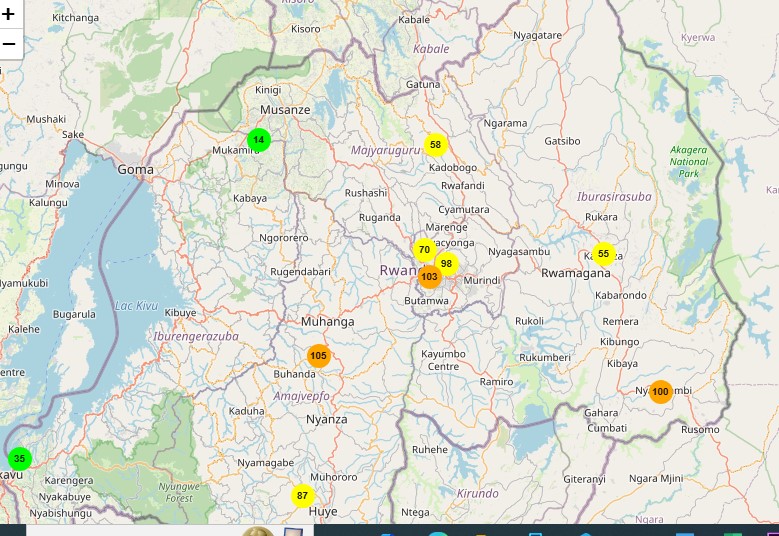
The Rwanda Environment Management Authority (REMA) and the Ministry of Health (MINISANTE) are urging citizens to support national efforts aimed at cleaning the air that people breathe — a move they say could save thousands of lives lost to preventable, non-communicable diseases.
According to Hakizimana Pie Celestin, an Air Quality expert at REMA, the most polluted areas in Rwanda are densely populated zones with factories, dusty unpaved roads frequented by vehicles, and neighborhoods where residents use firewood or burn waste for cooking and heating.
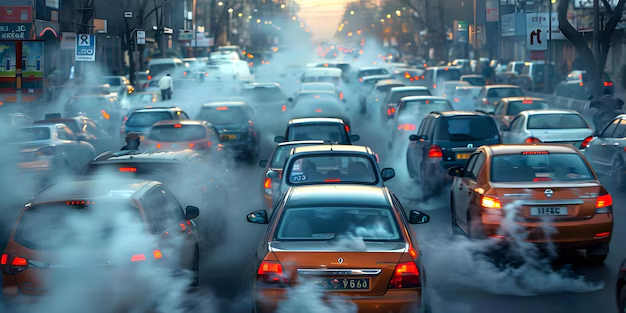
Even some paved urban roads are not spared. “Air quality often drops in places where traffic is heavy or vehicles climb steep slopes, and in workshops where welding, carpentry, or metal fabrication are common — especially in industrial areas,” Hakizimana explained.
He said these pollutants release microscopic particles such as particulate matter (PM) — especially PM2.5 and PM10 that enter the lungs and bloodstream, clogging or damaging airways, and eventually causing serious health problems.
How REMA measures Air Quality
Using its air quality index, REMA classifies clean air (under 50 micrograms per cubic meter of fine dust and emissions) as “green,” meaning it poses no health risk. When pollution levels rise to the “yellow” zone (50–100), people with weak immune systems are advised to avoid staying outdoors for long.
An “orange” alert means those with asthma, sinusitis, or chronic respiratory issues should wear masks, while a “red” alert — above 100 — threatens even healthy people.
Diseases linked to dirty air
The Ministry of Health and the World Health Organization (WHO) warn that air pollution contributes to lung cancer, heart disease, stroke, blindness, premature births, and even stillbirths.
Dr. François Uwinkindi, head of non-communicable diseases prevention at the Rwanda Biomedical Centre (RBC), said children, pregnant women, the elderly, and people with pre-existing conditions are the most vulnerable.
“When someone inhales car exhaust or smoke from burning waste,” he explained, “the particles travel through the airways, inflaming and blocking them. Over time, this damage increases the risk of chronic diseases such as asthma, sinusitis, and eventually lung cancer.”
Although Rwanda has not yet conducted detailed research on how air pollution specifically affects health locally, Dr. Uwinkindi said international studies consistently show the link between pollution and illness.
A mother’s tragic story
Veneranda Mukamuganga, a mother living near Zinia in Kicukiro District, believes exposure to polluted air caused her to miscarry four times. While working in a roadside workshop, she inhaled exhaust fumes and burned old mattress foam to fuel her stove.
“Only my fourth pregnancy survived because I stayed home and avoided the workshop,” she said. “But before that, my babies were born dead. A co-worker of mine lost seven pregnancies.”
The main culprits and the way forward
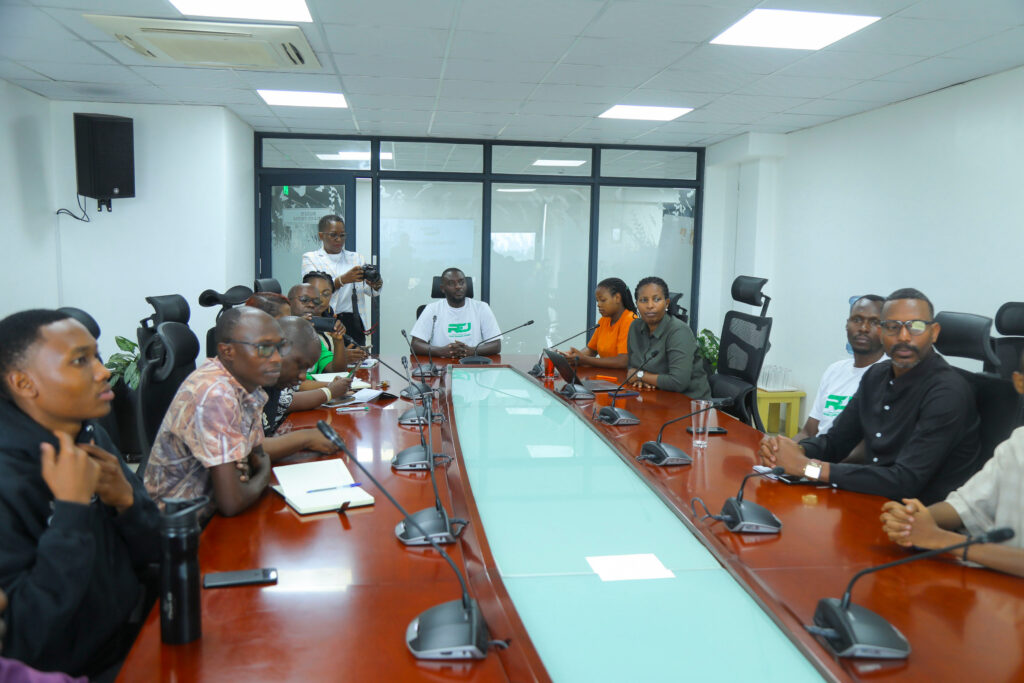
REMA plans to conduct a nationwide study to identify all sources of air pollution and their health impact. Preliminary findings already point to petrol and diesel vehicles as the top contributors.
REMA Director General Juliet Kabera told journalists that during an international cycling competition — when cars were temporarily banned from Kigali roads — air quality improved remarkably. “But once traffic resumed, pollution levels spiked again,” she noted.
Provisional data from the Rwanda Revenue Authority in 2023 showed the country had over 330,000 vehicles and 177,000 petrol-powered motorcycles.
The Government’s long-term plan is to phase out fuel-based transport in favor of electric mobility, but in the meantime, citizens are encouraged to walk, cycle, use public transport, and regularly attend test service of their vehicles.
Journalists urged to champion Environmental Reporting
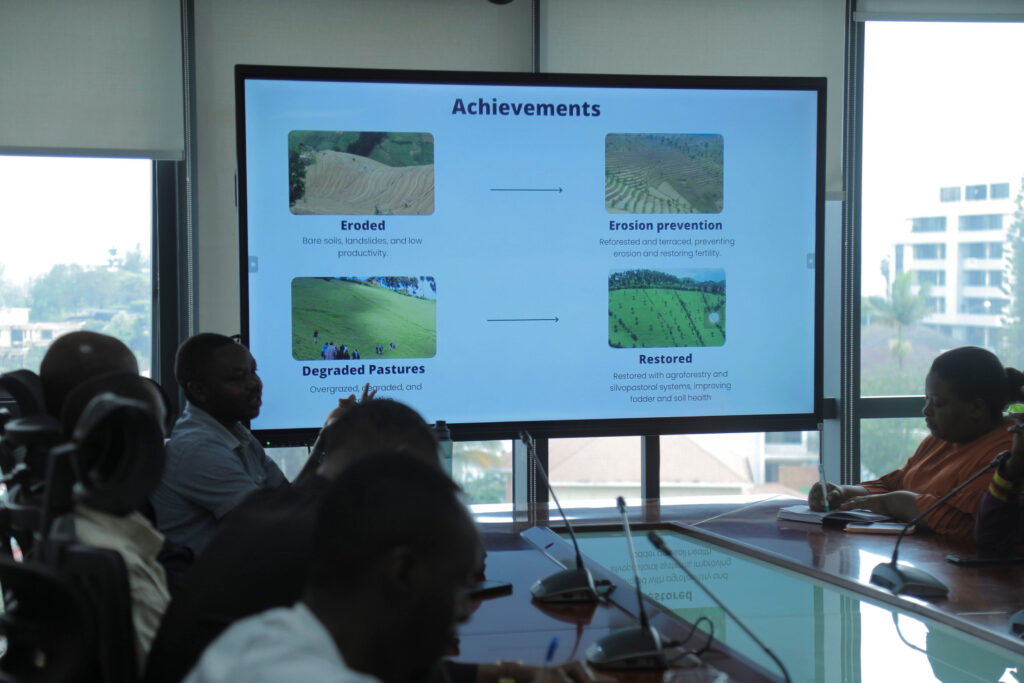
REMA also called on environmental journalists, organized under the Rwanda Environmental Journalists (REJ) network, to produce more in-depth scientific and investigative environmental stories that encourage public participation in conservation.
This appeal followed a visit by REJ members to REMA, part of a 3 day-training program supported by the FOJO Institute on science and data-driven journalism.
REMA said Rwanda’s vision is to leave future generations a country free from soil erosion, rich in clean air, and carbon neutral by 2050.