
 Kigaliinfo.com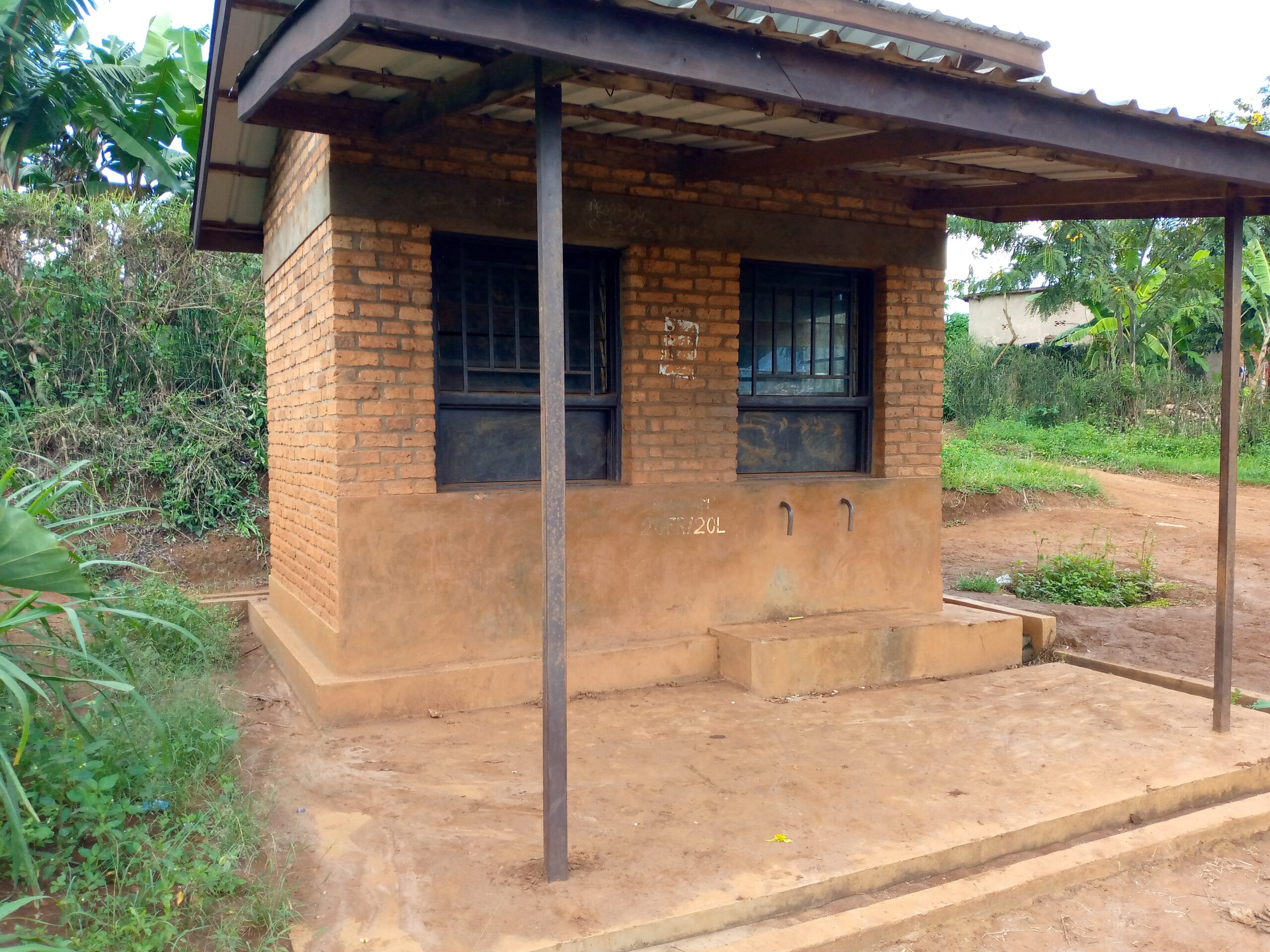
Residents of Ruhanga Cell in Rusororo Sector have been without piped water for nearly a year, as natural springs and aquifers dry up under pressure from climate change and unsustainable human activities.
Experts and local officials warn that unless urgent action is taken, entire water sources could vanish, exacerbating water insecurity in Kigali’s growing suburbs.
The science behind the crisis is well-understood in Rwandan classrooms: rainwater that falls on vegetated or erosion-controlled land infiltrates the soil, collects in underground rock layers, and eventually emerges as springs that feed rivers.
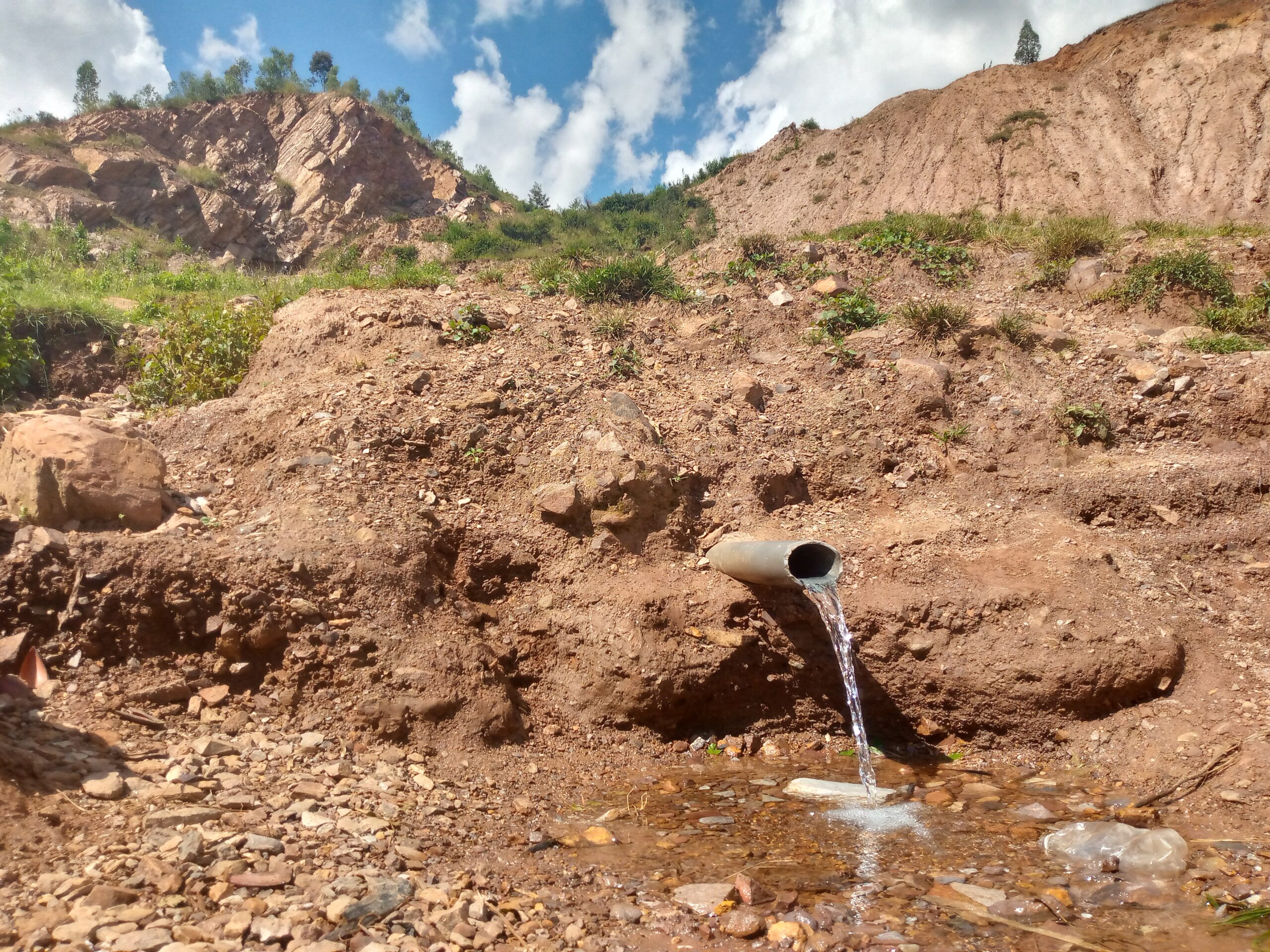
But in Gasabo, these natural systems are breaking down
According to the Rwanda Water and Sanitation Corporation (WASAC), reduced vegetation cover on the hills that serve as key aquifer catchments is diminishing infiltration and spring formation.
This decline is attributed to prolonged dry seasons linked to climate change, along with extensive human disturbances such as mining, construction, farming, and road building.
Ruhanga’s Water Crisis
In Ruhanga Cell, residents say the public taps have run dry since early 2024. Geraldine Mukeshimana, a resident of Rugende Village, attributes the problem to the degraded, deforested hills in nearby Kinyana Cell once the source of the Rwanda reservoir that supplied their taps.
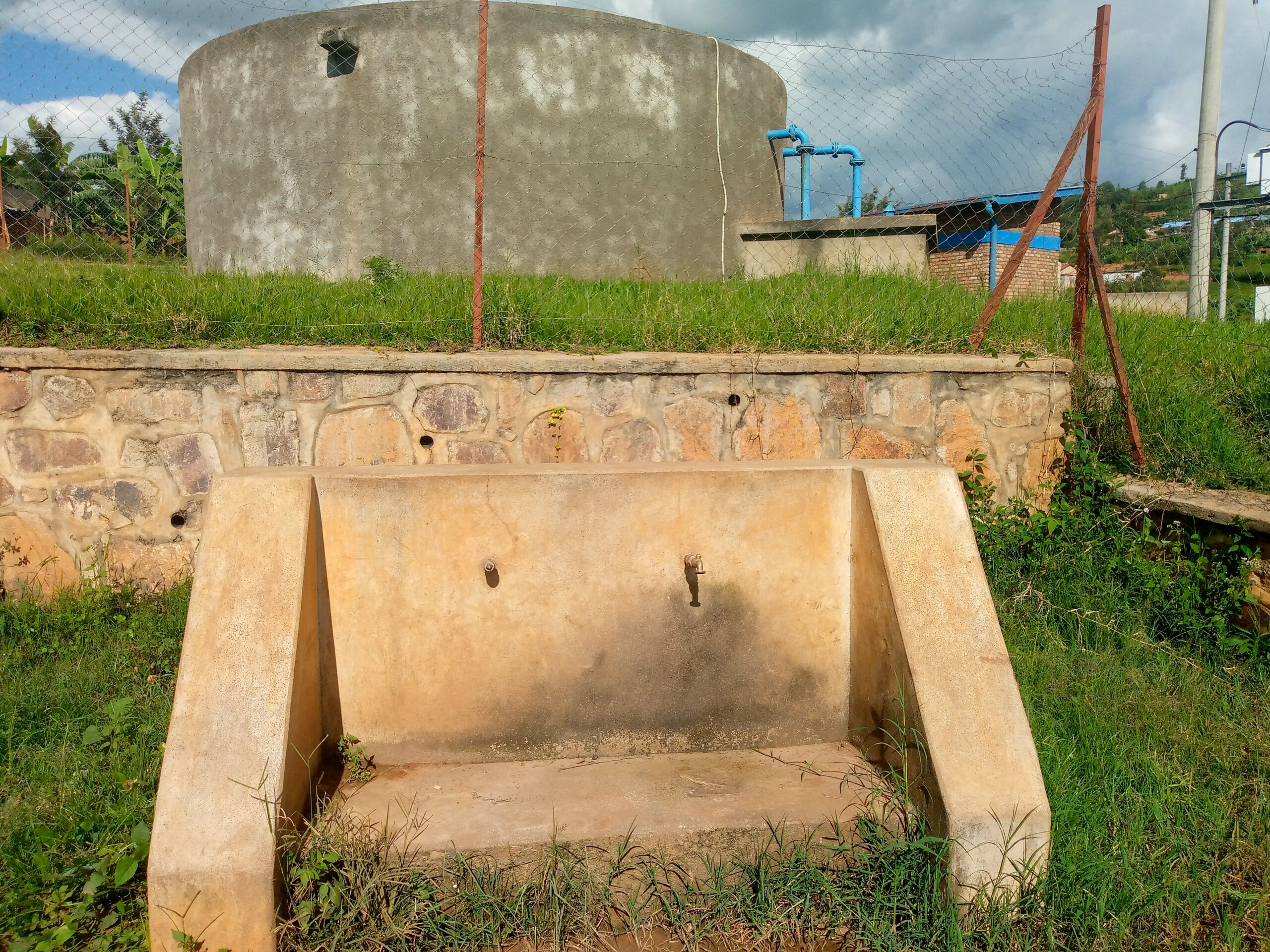
“During the rainy season, we rely on harvested rainwater stored in tanks,” Mukeshimana explains. “Those without storage pay Rwf 100 per jerrycan. For drinking water, we walk two hours to Nyakariba, where a jerrycan costs Rwf 500.”
The Nyakariba spring once supported residents of Ruhanga, Kinyaga, and Kinyana. Now, locals report they receive no water from the WASAC-operated Rwanda treatment plant. Instead, they depend on overburdened springs, many of which have deteriorated in quality or dried up altogether.
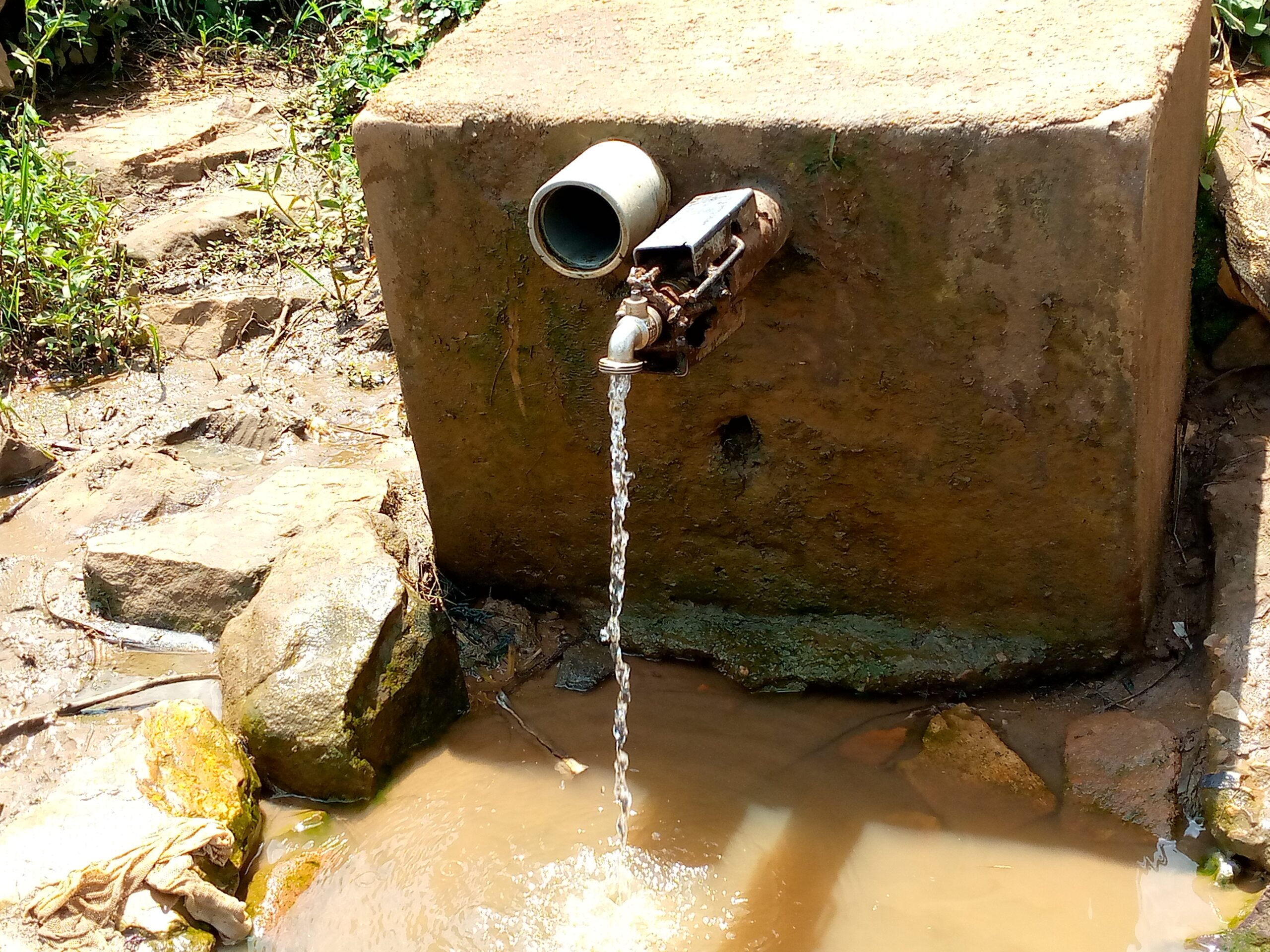
Conflict Over Scarce Water
Jean Claude Kanyarwanda, a local resident, describes waiting in long lines at Nyakariba to collect swamp-like water during dry periods. A nearby spring with cleaner water is under private control, with public access only allowed when there is surplus after serving clients in Kigali.
“Even then, water is slow to collect and often causes flu-like symptoms,” Kanyarwanda says, highlighting growing tensions over access.
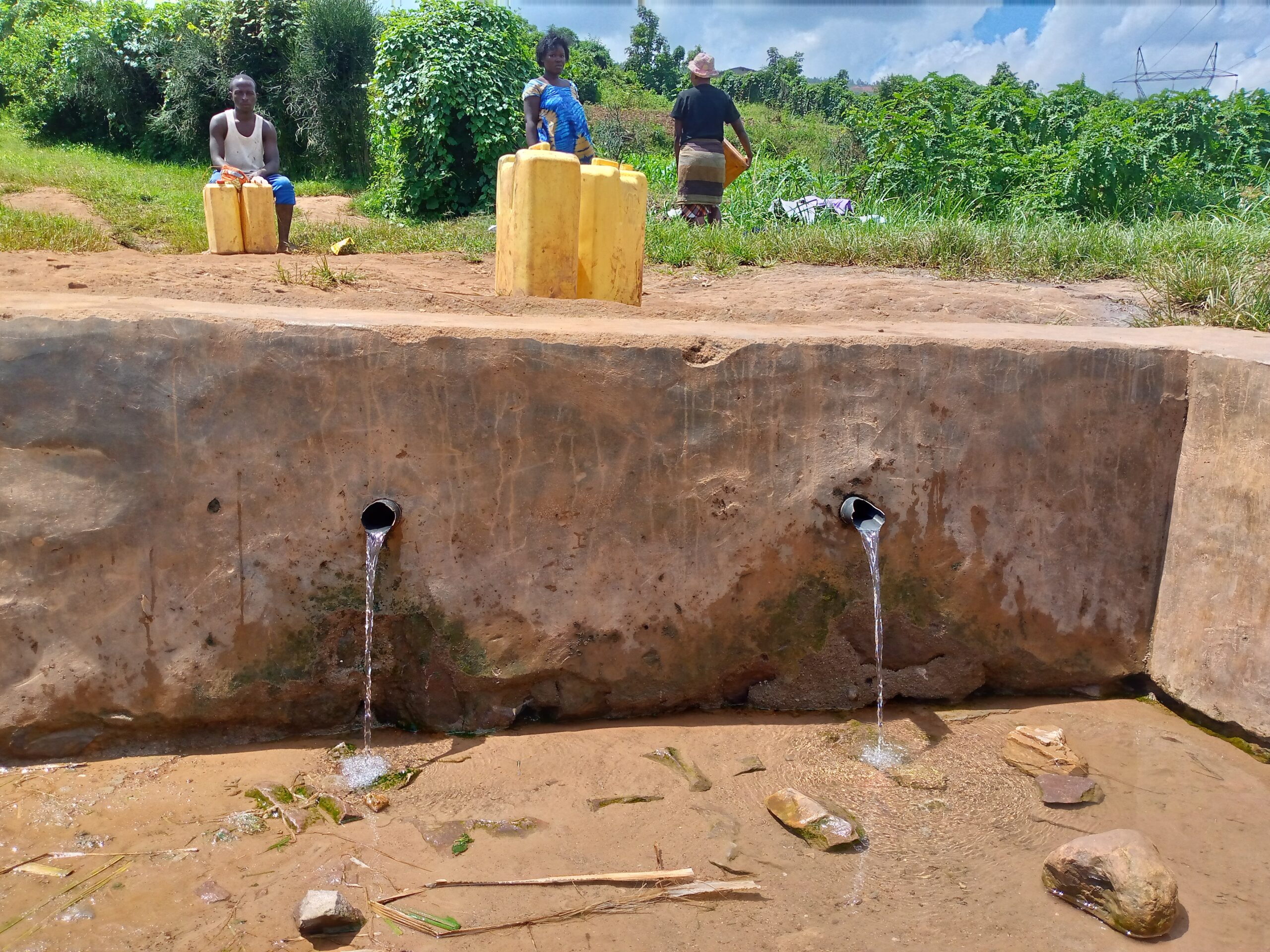
Jean Damascène Kadawa, another resident, pointed to five former springs in the area that no longer function.
“This valley used to be a wetland,” he said. “But upstream brick-making, mining, and agriculture blocked water from seeping underground.”
Mining and Deforestation Taking a Toll
Kinyana’s hills, once rich with water-storing rock formations, have been heavily mined for construction materials.
Residents say the blasting and excavation have permanently altered the underground hydrology.
“The rocks here used to release spring water,” says Félicien Bigenimana of Kinyana. “Mining has dried them out.”
Elder resident Odette Mwitakuze, born during the reign of King Yuhi Musinga, says deep erosion gullies caused by rock blasting have drained the water table and destroyed wetlands.
WASAC Responds, Long-Term Plans Underway
WASAC’s media relations officer, Robert Bimenyimana, confirmed the problem, noting that the Rwanda water plant and its supporting springs are producing very little.
He says plans are in place to connect Rusororo residents to the Kanzenze plant on the Akagera River within the next eight months.
“During dry seasons, sunlight dries out catchments and springs. Without supplemental rainwater, the shortages become severe,” Bimenyimana said.
Experts Warn of Long-Term Consequences
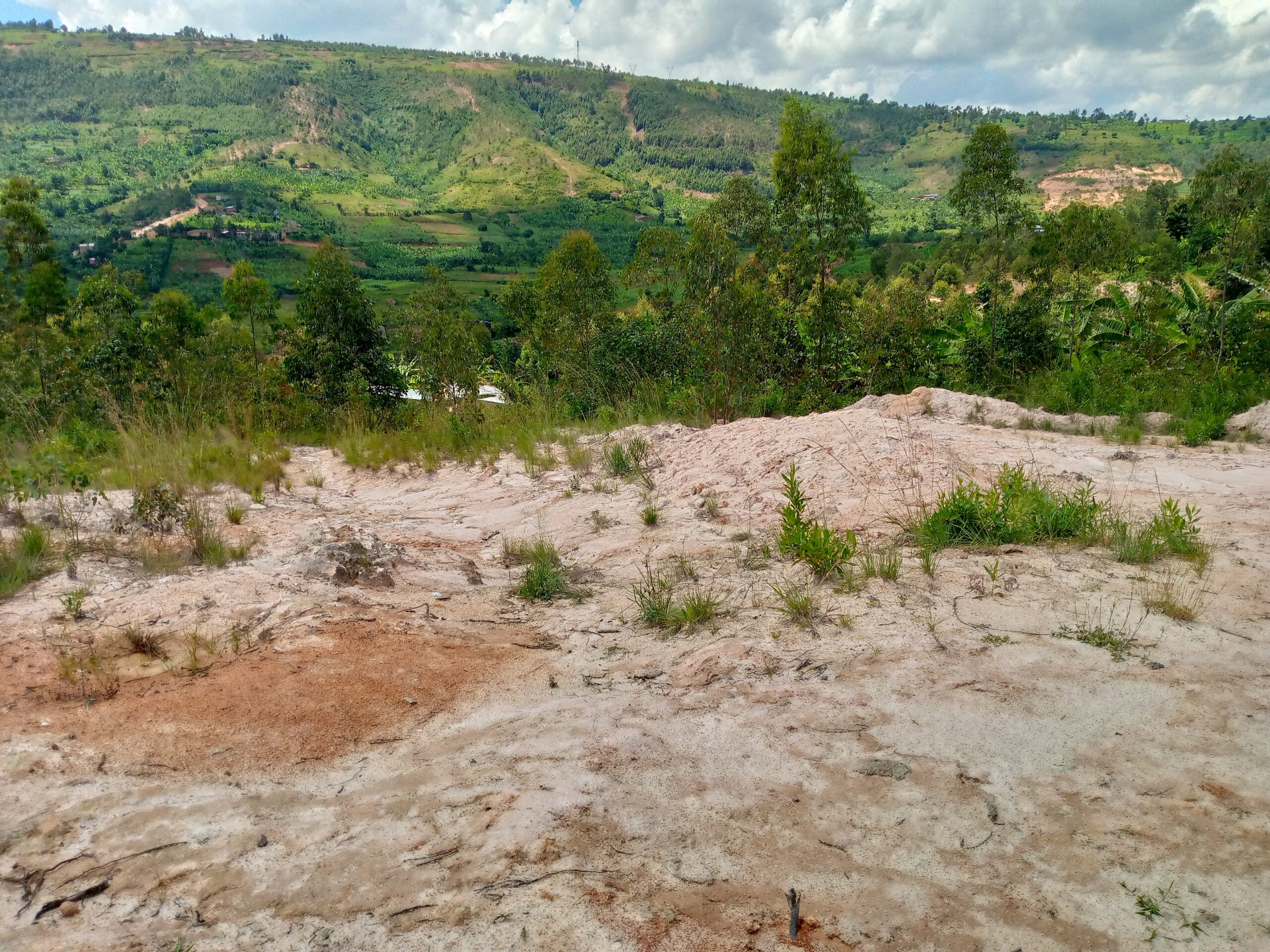
Prof. François Naramabuye, an environmental scientist at the University of Rwanda, says deforestation and changing climate patterns are hindering aquifer recharge.
“If this trend continues, we risk permanent loss of groundwater sources,” he cautioned.
A 2015 national Water Use Master Plan revealed Rwanda holds 62.2 billion cubic meters of groundwater, but only 8.9% is used nationally. In some areas like the Umuvumba Basin, usage climbs to nearly 34%, pointing to growing demand and vulnerability.
Government Takes Steps to Reverse Damage
The Rwanda Mines, Petroleum and Gas Board (RMB) plans to tighten regulations on mining, including increasing environmental impact assessment fees from Rwf 5 million. This would fund site rehabilitation directly.
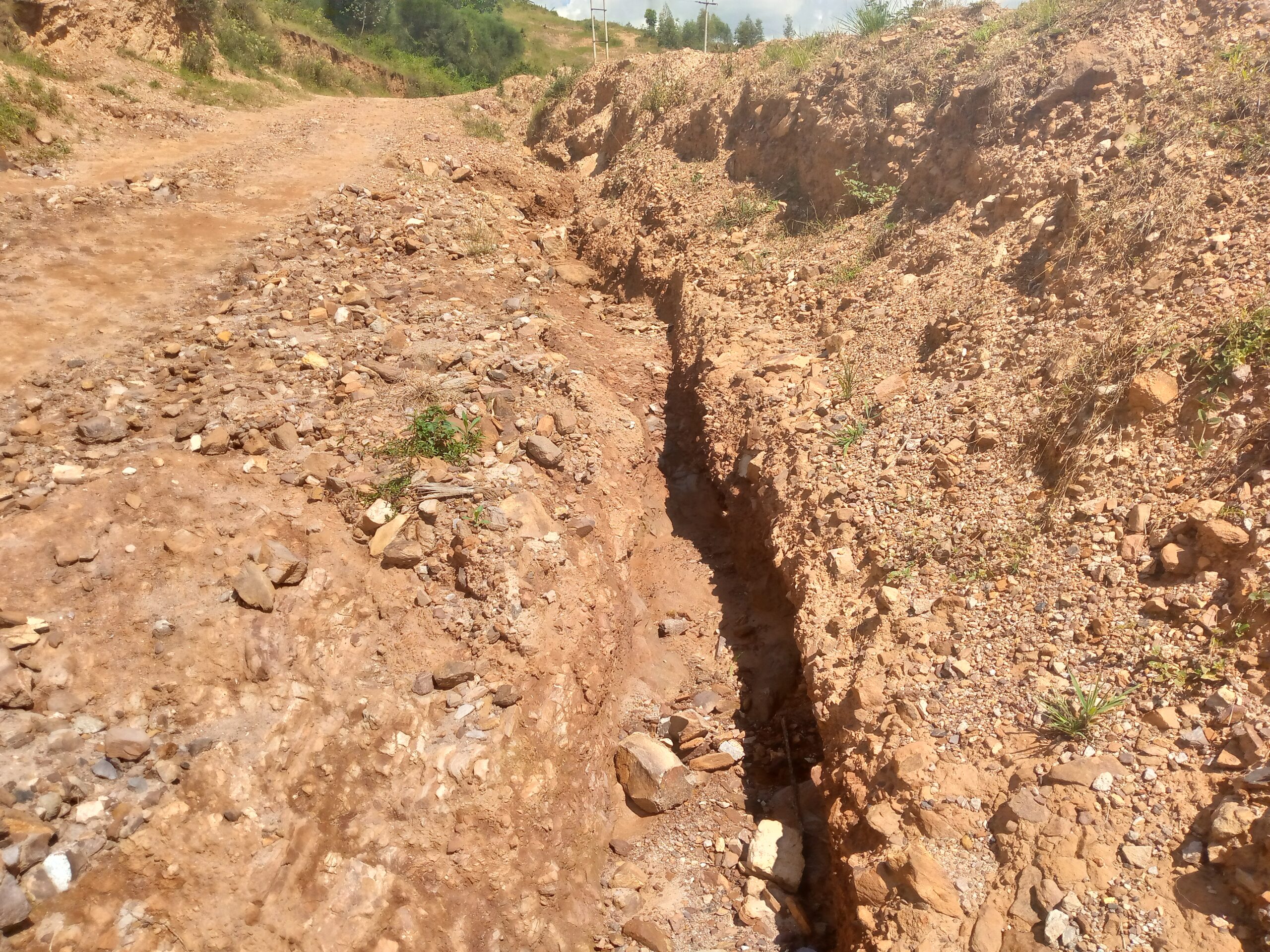
Meanwhile, the Rwanda Forestry Authority (RFA) is working with partners to restore forested catchments using native tree species adapted to local conditions and climate stress. Dr. Concorde Nsengumuremyi, RFA Director General, said restoration sites are selected based on erosion risk, forest degradation, and reduced agricultural yields.
A new forest law, enacted in June 2024, mandates protection and restoration of hillsides, valleys, and catchments as part of broader conservation efforts.
The water crisis in Gasabo is a stark reminder of the complex interplay between human activity and environmental sustainability.
Without immediate restoration of catchments and strict regulation of land use, residents across Kigali’s outer districts could face prolonged and worsening water insecurity.
This article was produced under support of Rwanda Environmental Journalists (REJ) and FOJO Institute.

 Simon Kamuzinzi