
 Simon Kamuzinzi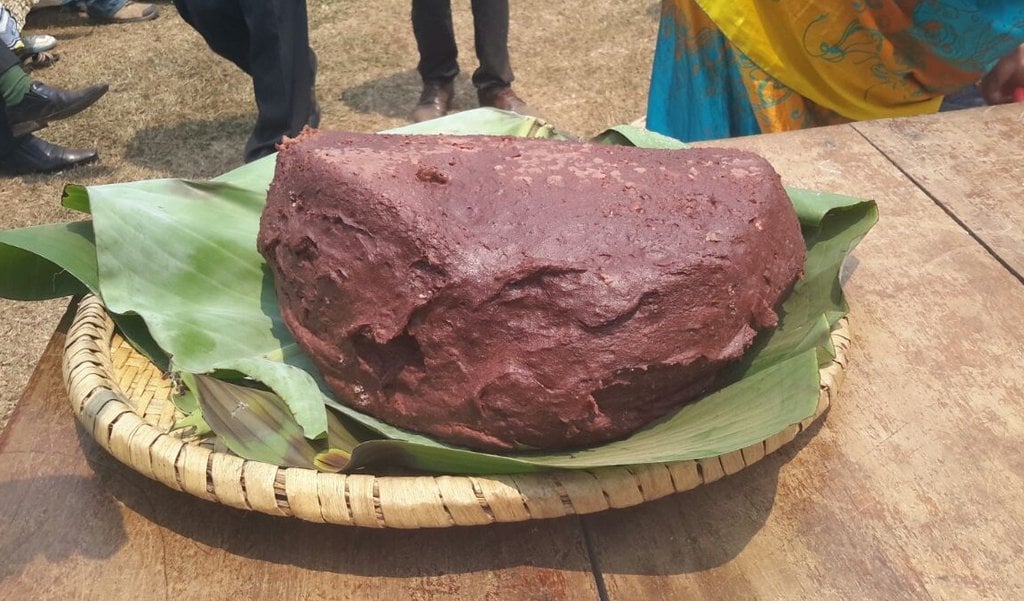
Prof. Antoine Nyagahene, a History Lecturer at the University of Gitwe, explains that the traditional seeds (or crops) associated with Rwanda’s legendary founding monarch, Gihanga Ngomijana, were central to the Umuganura festival and played a crucial role in addressing malnutrition among Rwandans.
According to historical accounts, Gihanga Ngomijana, who is believed to have founded the Rwandan kingdom around the year 1091 AD on Mount Gasabo near Lake Muhazi, received seeds from a figure named Myaka. Gihanga distributed these seeds to the people, wishing them abundance, and this act marked the first-ever celebration of Umuganura—Rwanda’s National Harvest Day.
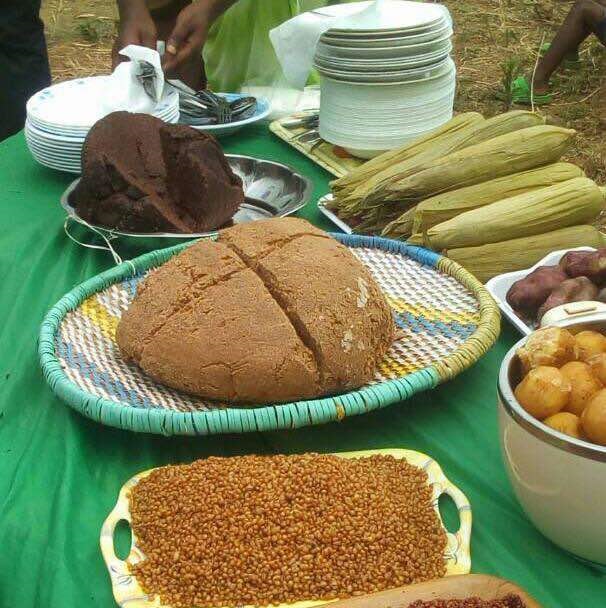
In an interview marking Umuganura 2024, Prof. Nyagahene noted that the crops given by Myaka and planted by early Rwandans included sorghum, finger millet, amaranth (isogi), pumpkins and their seeds, as well as milk and cow butter—a highly nutritious and locally adapted diet.
The Rwanda Academy of Culture and Language (Inteko y’Umuco) states that on Umuganura, communities would gather harvests from across the country and present them to the king. The king, in a display of humility and honor to the people and the nation, would kneel as part of the ceremony.
Using a traditional wooden spoon, the king would symbolically taste the first bread (from the harvest) along with the “umuganuza” (the chief celebrant), the Queen, and the Queen Mother. They would eat, drink, and share traditional beer, followed by narratives of national achievements.
After the ceremonial tasting, festivities ensued, including cultural performances and pledges for the coming year (imihigo). The most outstanding individuals or families were recognized for achievements such as high-yield crops or exceptional livestock (especially cows), while underperformers were reprimanded.
At the national level, Umuganura was led by the King, supported by special custodians of the tradition, including the families of Rutsobe and Myaka, son of Musana. At the family level, the ceremonies were presided over by the family head.
Prof. Nyagahene argues that if modern-day Rwandans returned to cultivating and consuming the indigenous crops their ancestors once did, it could significantly fight malnutrition and even help adapt to climate change, since these crops are well-suited to Rwanda’s soil and weather—just like the ongoing efforts to replant indigenous trees.
“Gihanga’s original seeds are drought-resistant because they are adapted to Rwanda’s climate. They were nutritionally rich, disease-resistant, and sustained Rwandans from the 10th century (around the year 900 AD) until the 16th century when foreign crops began arriving,” Prof Nyagahene says.
By the late 1500s, Rwanda was reportedly invaded and ruled by foreign groups, particularly the Bunyoro and Bungo people, which led to the 15-year suppression of Umuganura and other traditions.
It was King Ruganzu II Ndoli (reigning between 1510–1543) who is credited with liberating Rwanda from foreign rule and reviving Umuganura, strengthening its cultural and political significance.
However, Umuganura was once again abolished during the reign of King Yuhi V Musinga when the royal priest Gashamura, who oversaw the ceremonies, was executed in Burundi in 1925 under colonial pressure.
Despite Rwanda’s post-independence period allowing people to celebrate Umuganura privately within families, successive governments did not give it national prominence.
Umuganura only regained official status and cultural importance in 2017, following the issuance of Presidential Order No. 54/01 of February 24, 2017.
This decree formally reinstated Umuganura as a national celebration, encouraging Rwandans to come together, reflect on their achievements, and make new pledges for greater collective success in the coming year.
- Agriculture
- Amakuru
- Announcements
- Business
- Climate Change
- Economy
- Education
- Environment
- Finance
- Headlines
- Health
- Home
- Ibidukikije
- Industry
- International Affairs
- Iyobokamana
- Justice
- Lifestyle
- Livestock
- News
- Politics
- Pollution
- Religion
- Security
- Technology
- Today's Word
- Tourism
- Ubukungu
- Uburezi
- Ubuzima
- Uncategorized
- Weather