Trending News:Rabbits can offer low-cost solution to Rwanda’s rising meat pricesWhere are Kigali’s affordable housing units for low-income residents?ACMAD, WHO and WMO launch Africa Climate–Health DeskRwanda: Citizens advised to avoid channeling water into household pits due to landslide risksHere are requirements for Candidates eyeing PSF leadership as elections kick off MondayTrump launches historic war against IranKayonza–KIIWP: Farmers move beyond low-yield cassava varietiesKayonza’s drought belt eyes investors to turn it a year round farming hubGen Makenga goes to frontlines in RubayaEAC Finance Directors convene in Kigali to unlock billions for climate projectsThe poisonous frog toxin allegedly linked to Navalny’s deathAll Rwandans to live on 15% of National Land, with only two residential villages per cellWhat was the aim of the MONUSCO chief’s visit to Goma?Rwanda’s National Budget Reduced by Rwf 80.4 BillionRwanda climbs two places globally in fight against corruptionPolice monitor drain for five days as suspected thieves attempt to evade arrestBurundi was our twin but chose Congo – KagameREG probes cause of Tuesday evening power blackoutRwanda Rules Out Goat Milk in National Dairy StrategyGirls paying the price: Sextortion in Africa’s Education SystemsAFC/M23 fighters reportedly withdraw from key areas in Eastern DR CongoRising military tensions near Iran force suspension of regional flightsMacron reaffirms France’s support for DR Congo during Paris meetingRwanda imports high-yield dairy bullsRussia eyes mediation as DR Congo conflict drags onMore than 3,000 people answer TikTok call for help slaughtering 2 pigsRDF Engineer Contingent welcomed by Jamaica Foreign MinisterRwanda deploys troops to JamaicaDoes the Bible allow Christians to drink alcohol?Above-average rainfall forecast across Rwanda in mid-January 2026Why do long and intensive studying contribute to hair loss in men?Europe pushes back after U.S. remarks on GreenlandMaduro declares innocence as U.S. Court proceedings beginPresident Maduro was taken to the USAIsombe is more than cassava leaves, a dish that supports household budgetingRwanda’s first 25 years of the 21st CenturyMINAGRI and FAO award FFS certificates to 91 farmersRPF Inkotanyi renews its cooperation with PCT of Congo BrazzaRwanda: ‘Over 80,000 youths to secure decent jobs’ — DUHAMIC-ADRIRwanda Cardinal announces funds mobilisation to build Kigali Cathedral in 2026See Rwanda’s milestones in climate resilience and resources management in 202529 countries, including Rwanda, where U.S. Ambassadors have been recalledRwanda: Heavy rains expected in the final days of this yearBahame Hassan, Gitagata Coordinator arrested over sexual exploitation claimsGerman-language job seekers offered Certification Exams in RwandaRwanda welcomes another cohort of Zimbabwean teachersFrequent prenatal checkups can prevent severe birth defects such as cyclopiaWhy “Ishimwе” tops Rwanda’s most given baby names in 2024?FPR Inkotanyi Congress adopts leadership reformsWhy many Rwandan women are choosing not to have more children – NISRRwanda Decentralisation at 25: How Close Are Public Services to Citizens?Climate experts call for information to reach communities of Eastern AfricaAbove normal Rainfall expected in Rwanda during Mid-DecemberEAC Experts Urged to Shift from Silos to Synergy in Climate CommunicationRwanda launches eKash to link all financial servicesModern Kimironko Market Construction BeginsPresidents Kagame and Tshisekedi sign peace accord presided by TrumpHigh bribes target low-paid citizens, Ombudsman warns banksPresident Kagame appoints Dr Ndabamenye, Dr Kaitesi in cabinet changesRwanda: What is next for drought-stricken communities?Rwanda has updated it’s Climate Action Plan known as NDC 3.0Rwanda to prioritize cooking gas while exploring future use of nuclear energyRwanda: Organic waste becomes a valuable commodity as farmers turn to regenerative AgricultureNew seed professionals join Rwanda’s Agriculture WorkforceKigali Industrial Zone employees demand public buses to protect them from muggersKigali’s Master Plan to resolve informal settlements within six yearsRwandans unable to afford Rwf 25 Million houses to be housed in shared urban hallsInvestigation Underway into Nationwide Power Outage Linked to Regional Power Grid – REGFuel price surge threatens to push cars off Rwanda’s roadsProtests over elections in Tanzania disrupt Rwandan trade as trucks are set ablazeRwanda to showcase how Agroforestry is preventing soil degradationRwanda’s bamboo plantations along Nyabugogo and Nyabarongo attract new investorsRwanda Police highlight the role of fact-checking in Environmental ReportingRwanda to meet WHO-recommended health workforce within three yearsRwandan Journalists Trained on Fact-Checking and GeolocationPartners Gather in Kigali to Support Rwanda’s Cooling and Cold-Chain InitiativeWhere air pollution is found in Rwanda — and why it’s a growing health concernTeachers worry as Rwanda rolls out 5G learningHoward Buffett hailed as a symbol of patriotism in RwandaKorea and WFP launch $1.2M green jobs, Agriculture project in RwandaRwandAir to Launch New Zanzibar–Mombasa Route in DecemberRGB commits to stronger Media for Green GrowthRwanda expressed interests to host UN agenciesSpain Issues Arrest Warrant for Rwandan Former GeneralRwanda to Launch Path Towards UNESCO Global Geopark StatusGlobal Festival of Cooling Debuts in RwandaRutsiro to open new hospital connecting with U.S. doctorsRwanda Steps Up Global Fight Against HFCs on International Ozone DayRwanda’s Parliament Rejects EU Call to Release Victoire IngabireHydropower on Sebeya River Showcased to Kigali Energy DelegatesRwandans urged to go solar, with option to sell the surplus powerKigali workshop targets cheaper and faster air travel in AfricaBurundi Army Tests weapons near Bujumbura AirportKigali is hosting a Pan-African Renewable Energy ConferenceA total lunar eclipse witnessed worldwide on September 7, 2025Fuel price hike triggers concerns over rising costs in RwandaM23 vows to target Tshisekedi “at the source” if attacks continuePresident Kagame warns troops to stay prepared amidst rising tensionsConjoined Twins: One Married, the Other SingleDRC Prosecutors Seek Death Penalty for Former President Joseph Kabila
Trending News:Rabbits can offer low-cost solution to Rwanda’s rising meat pricesWhere are Kigali’s affordable housing units for low-income residents?ACMAD, WHO and WMO launch Africa Climate–Health DeskRwanda: Citizens advised to avoid channeling water into household pits due to landslide risksHere are requirements for Candidates eyeing PSF leadership as elections kick off MondayTrump launches historic war against IranKayonza–KIIWP: Farmers move beyond low-yield cassava varietiesKayonza’s drought belt eyes investors to turn it a year round farming hubGen Makenga goes to frontlines in RubayaEAC Finance Directors convene in Kigali to unlock billions for climate projectsThe poisonous frog toxin allegedly linked to Navalny’s deathAll Rwandans to live on 15% of National Land, with only two residential villages per cellWhat was the aim of the MONUSCO chief’s visit to Goma?Rwanda’s National Budget Reduced by Rwf 80.4 BillionRwanda climbs two places globally in fight against corruptionPolice monitor drain for five days as suspected thieves attempt to evade arrestBurundi was our twin but chose Congo – KagameREG probes cause of Tuesday evening power blackoutRwanda Rules Out Goat Milk in National Dairy StrategyGirls paying the price: Sextortion in Africa’s Education SystemsAFC/M23 fighters reportedly withdraw from key areas in Eastern DR CongoRising military tensions near Iran force suspension of regional flightsMacron reaffirms France’s support for DR Congo during Paris meetingRwanda imports high-yield dairy bullsRussia eyes mediation as DR Congo conflict drags onMore than 3,000 people answer TikTok call for help slaughtering 2 pigsRDF Engineer Contingent welcomed by Jamaica Foreign MinisterRwanda deploys troops to JamaicaDoes the Bible allow Christians to drink alcohol?Above-average rainfall forecast across Rwanda in mid-January 2026Why do long and intensive studying contribute to hair loss in men?Europe pushes back after U.S. remarks on GreenlandMaduro declares innocence as U.S. Court proceedings beginPresident Maduro was taken to the USAIsombe is more than cassava leaves, a dish that supports household budgetingRwanda’s first 25 years of the 21st CenturyMINAGRI and FAO award FFS certificates to 91 farmersRPF Inkotanyi renews its cooperation with PCT of Congo BrazzaRwanda: ‘Over 80,000 youths to secure decent jobs’ — DUHAMIC-ADRIRwanda Cardinal announces funds mobilisation to build Kigali Cathedral in 2026See Rwanda’s milestones in climate resilience and resources management in 202529 countries, including Rwanda, where U.S. Ambassadors have been recalledRwanda: Heavy rains expected in the final days of this yearBahame Hassan, Gitagata Coordinator arrested over sexual exploitation claimsGerman-language job seekers offered Certification Exams in RwandaRwanda welcomes another cohort of Zimbabwean teachersFrequent prenatal checkups can prevent severe birth defects such as cyclopiaWhy “Ishimwе” tops Rwanda’s most given baby names in 2024?FPR Inkotanyi Congress adopts leadership reformsWhy many Rwandan women are choosing not to have more children – NISRRwanda Decentralisation at 25: How Close Are Public Services to Citizens?Climate experts call for information to reach communities of Eastern AfricaAbove normal Rainfall expected in Rwanda during Mid-DecemberEAC Experts Urged to Shift from Silos to Synergy in Climate CommunicationRwanda launches eKash to link all financial servicesModern Kimironko Market Construction BeginsPresidents Kagame and Tshisekedi sign peace accord presided by TrumpHigh bribes target low-paid citizens, Ombudsman warns banksPresident Kagame appoints Dr Ndabamenye, Dr Kaitesi in cabinet changesRwanda: What is next for drought-stricken communities?Rwanda has updated it’s Climate Action Plan known as NDC 3.0Rwanda to prioritize cooking gas while exploring future use of nuclear energyRwanda: Organic waste becomes a valuable commodity as farmers turn to regenerative AgricultureNew seed professionals join Rwanda’s Agriculture WorkforceKigali Industrial Zone employees demand public buses to protect them from muggersKigali’s Master Plan to resolve informal settlements within six yearsRwandans unable to afford Rwf 25 Million houses to be housed in shared urban hallsInvestigation Underway into Nationwide Power Outage Linked to Regional Power Grid – REGFuel price surge threatens to push cars off Rwanda’s roadsProtests over elections in Tanzania disrupt Rwandan trade as trucks are set ablazeRwanda to showcase how Agroforestry is preventing soil degradationRwanda’s bamboo plantations along Nyabugogo and Nyabarongo attract new investorsRwanda Police highlight the role of fact-checking in Environmental ReportingRwanda to meet WHO-recommended health workforce within three yearsRwandan Journalists Trained on Fact-Checking and GeolocationPartners Gather in Kigali to Support Rwanda’s Cooling and Cold-Chain InitiativeWhere air pollution is found in Rwanda — and why it’s a growing health concernTeachers worry as Rwanda rolls out 5G learningHoward Buffett hailed as a symbol of patriotism in RwandaKorea and WFP launch $1.2M green jobs, Agriculture project in RwandaRwandAir to Launch New Zanzibar–Mombasa Route in DecemberRGB commits to stronger Media for Green GrowthRwanda expressed interests to host UN agenciesSpain Issues Arrest Warrant for Rwandan Former GeneralRwanda to Launch Path Towards UNESCO Global Geopark StatusGlobal Festival of Cooling Debuts in RwandaRutsiro to open new hospital connecting with U.S. doctorsRwanda Steps Up Global Fight Against HFCs on International Ozone DayRwanda’s Parliament Rejects EU Call to Release Victoire IngabireHydropower on Sebeya River Showcased to Kigali Energy DelegatesRwandans urged to go solar, with option to sell the surplus powerKigali workshop targets cheaper and faster air travel in AfricaBurundi Army Tests weapons near Bujumbura AirportKigali is hosting a Pan-African Renewable Energy ConferenceA total lunar eclipse witnessed worldwide on September 7, 2025Fuel price hike triggers concerns over rising costs in RwandaM23 vows to target Tshisekedi “at the source” if attacks continuePresident Kagame warns troops to stay prepared amidst rising tensionsConjoined Twins: One Married, the Other SingleDRC Prosecutors Seek Death Penalty for Former President Joseph Kabila
The Government of Rwanda has embarked on an ambitious project to connect all schools across the country to high-speed 5G internet through the “Smart Education Project” under the Ministry of Education (MINEDUC).
While this initiative is being hailed as a major step toward digital learning, some teachers fear it could eventually cost them their jobs.
Their concern stems from the fact that, with 5G connectivity, students in different schools can simultaneously attend lessons taught by a single instructor through live video streaming—potentially reducing the need for large numbers of teachers.
In the first phase, 1,500 schools across Rwanda have already been connected to the internet through a USD 30 million loan (about RWF 42 billion) from China’s Exim Bank.
According to Bella Rwigamba, Head of ICT in Education at MINEDUC, the project is being implemented in partnership with Huawei Technologies and will progressively extend to all schools in the country as capacity allows.
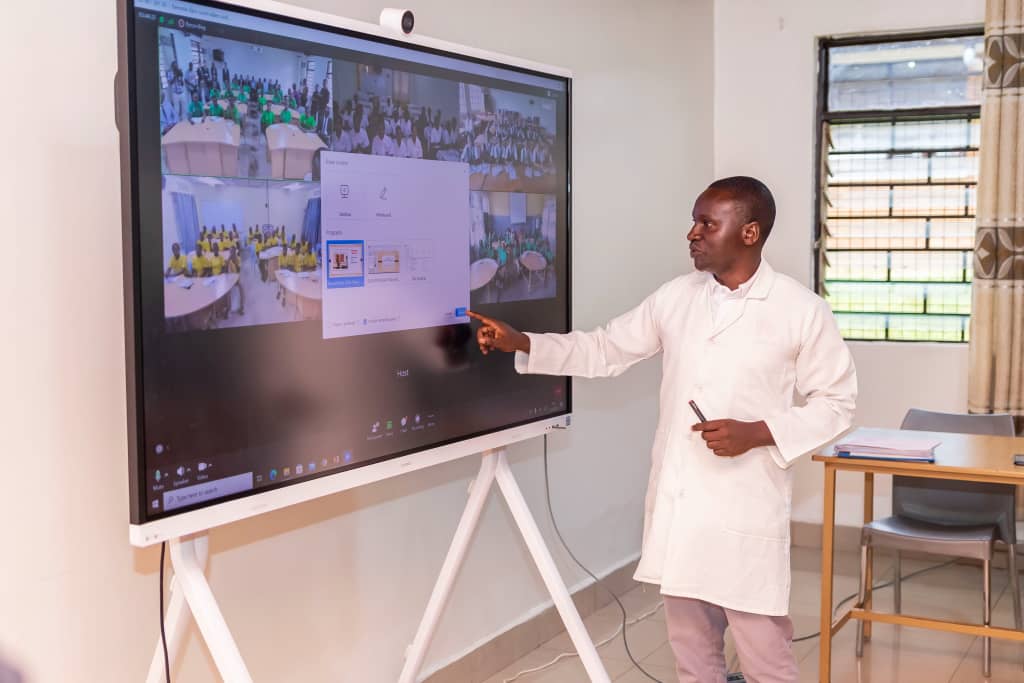
The 5G-powered classrooms are equipped with large smart TV screens that enable real-time audio-visual lessons linking multiple schools at once. In these sessions, a single expert teacher leads the class while other teachers act as facilitators for students at their respective schools.
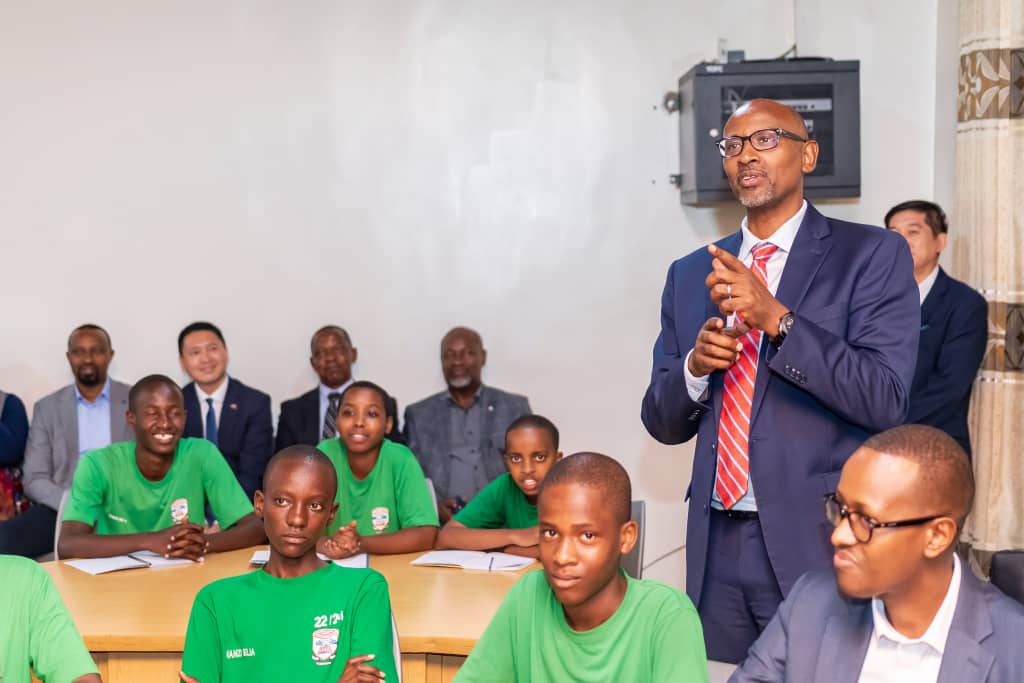
Education Minister and Students interact with remote peers
A live demonstration of this new system was conducted on Friday, October 3, 2025, in front of Minister of Education Joseph Nsengimana at Kagarama Secondary School in Kicukiro District. Students from Kagarama were connected to peers at College Saint André (Nyamirambo), GS Mère du Verbe (Kibeho), GS Rwimiyaga (Nyagatare), and GS Gihundwe (Rusizi).
However, not everyone is enthusiastic. One teacher who spoke to KIGALIINFO expressed concern:
“If this system expands everywhere, it could mean fewer teaching opportunities. A single teacher could handle multiple classes across the country, leaving others redundant. I fear this could eventually lead to staff reductions.”
In response, Rwigamba dismissed these fears, explaining that the technology is not meant to replace teachers but to strengthen their skills and collaboration.
“The teachers who conduct these joint lessons are specialists who help others improve their delivery of the Competence-Based Curriculum (CBC) and peer training. Local teachers will remain in their classrooms to assist and guide students during the sessions,” she said.
The CBC approach emphasizes interaction between teacher and student, making learning more participatory and effective. Rwigamba added that the system will allow teachers and students across the country to learn from one another, helping all learners progress together.
During the launch of the Smart Education Project and its mobile ICT classrooms—containerized computer labs mounted on trucks—Jin Jiqing, Huawei Technologies’ Country Director in Rwanda, announced that over one million students have already been connected via 4G and 5G networks.
China’s Ambassador to Rwanda, Gao Wenqi, revealed that the second phase will extend the program to 2,500 more schools, along with additional mobile ICT labs to reach remote areas not yet covered by the internet.
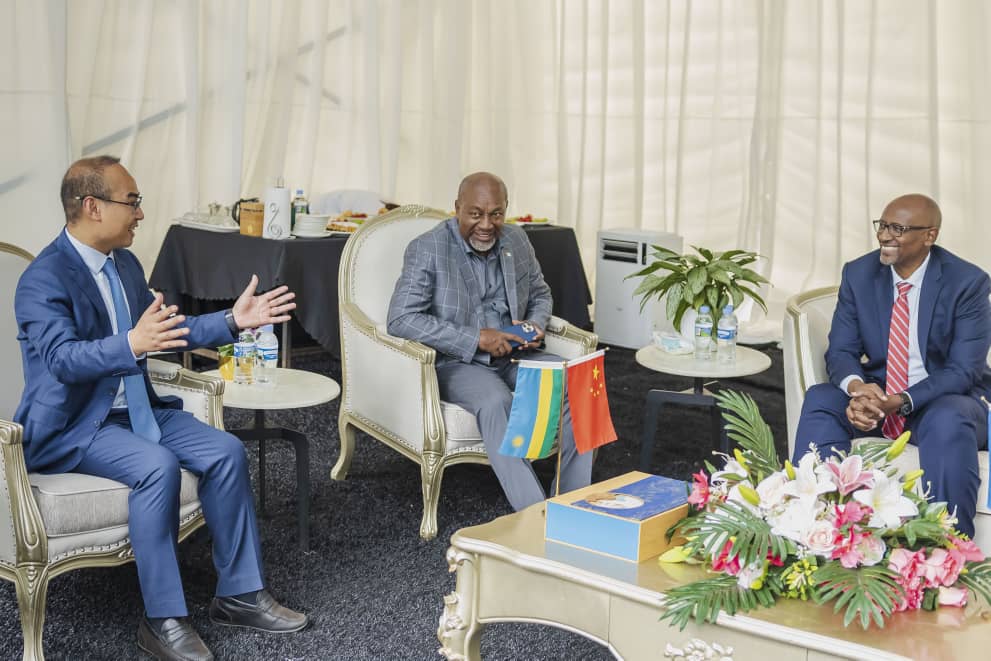
China’s Ambassador to Rwanda, Gao Wenqi, RPF-Inkotanyi Secretary General, Wellars Gasamagera and Minister of Education on Smart Education in Rwanda
Education Minister Joseph Nsengimana said the initiative positions Rwanda to compete globally in the knowledge-based economy. He added that within the next five years, mobile computer labs will reach all districts, enabling more than 5,000 young people to gain hands-on digital skills.
Rabbits can offer low-cost solution to Rwanda’s rising meat prices
Rabbit breeding in Rwanda is being promoted as a simple, accessible solution for households struggling to afford meat, with experts saying almost anyone can do it. Some authorities, including Senator…
Where are Kigali’s affordable housing units for low-income residents?
The Government of Rwanda says it has begun providing low-income residents with newly built affordable housing estates. However, so far, these homes remain out of reach for people earning less than…


 Simon Kamuzinzi