
 Simon Kamuzinzi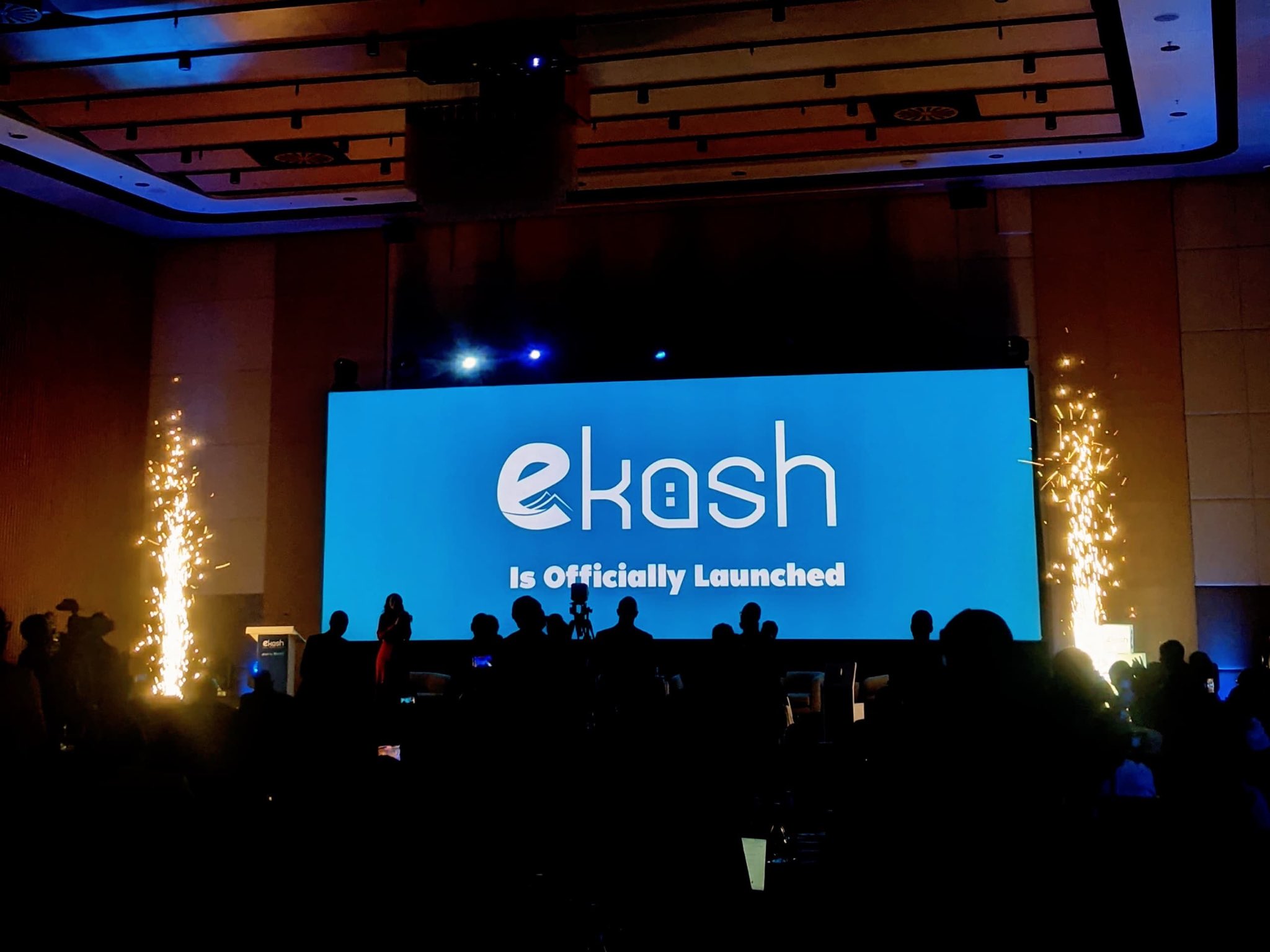
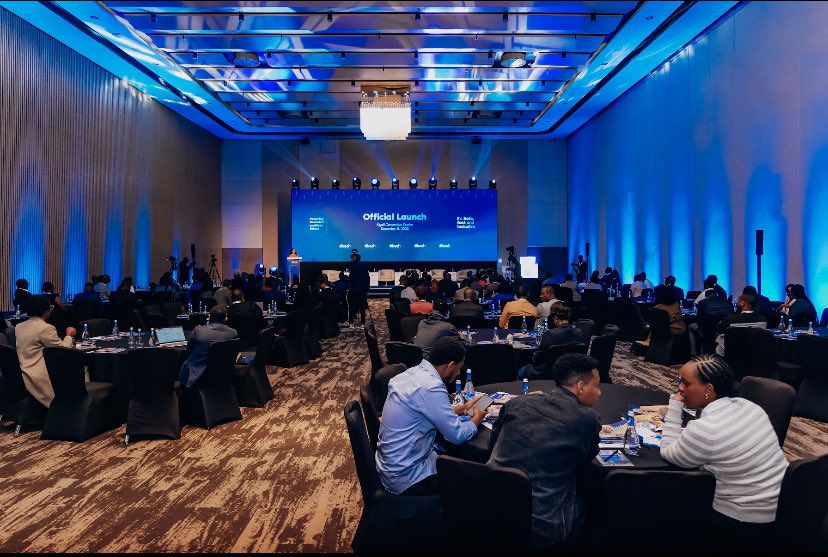
Rwanda is taking a major step towards a fully cashless economy with the official launch of eKash, a national digital payment system designed to unify all financial service providers across the country.
Developed by RSwitch, 3 years ago, in partnership with AfricaNenda Foundation and powered by the Mojaloop Foundation, eKash is expected to drastically simplify how Rwandans send, receive, and manage money—regardless of which bank, SACCO, microfinance institution, or mobile operator they use.
A system that ends the burden of cash transfers between people and institutions
The launch aligns with ongoing national efforts to connect all financial institutions into one seamless ecosystem.
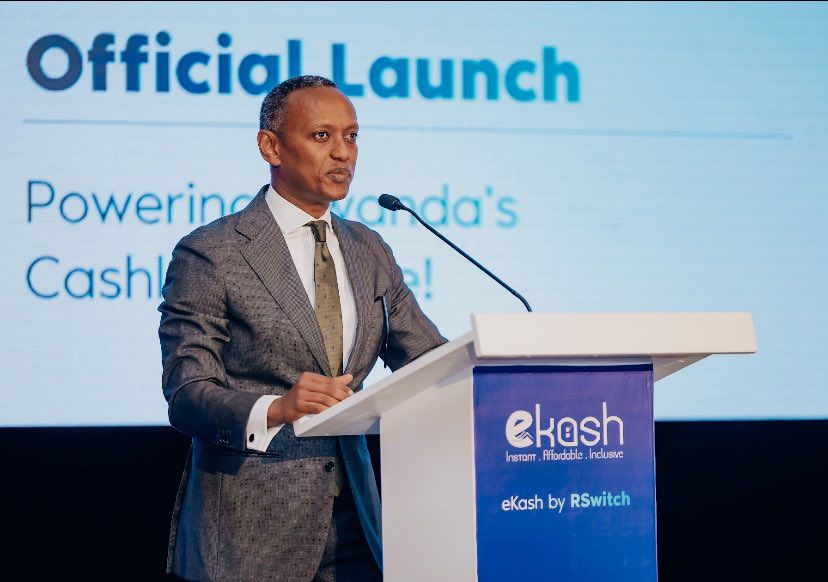
Speaking at the interview with the media, RSwitch CEO Blaise Gasabira explained that by 2026, services such as Mobile Money, Airtel Money, microfinance institutions, and major banks will all be interoperable under RSwitch, eliminating the need for customers to withdraw cash from one platform simply to deposit it into another.
“Today marks more than a product launch. It is the moment Rwanda’s financial ecosystem becomes truly interconnected,”
RSwitch CEO Blaise Pascal Gasabira made remarks earlier during the launch of eKash initiative.
This was also echoed during the Friday ceremony where government institutions—including MINICT—and financial sector players introduced eKash to the public, emphasizing that the system is meant to solve challenges citizens have faced for years: carrying money between institutions just to complete payments or transfers.
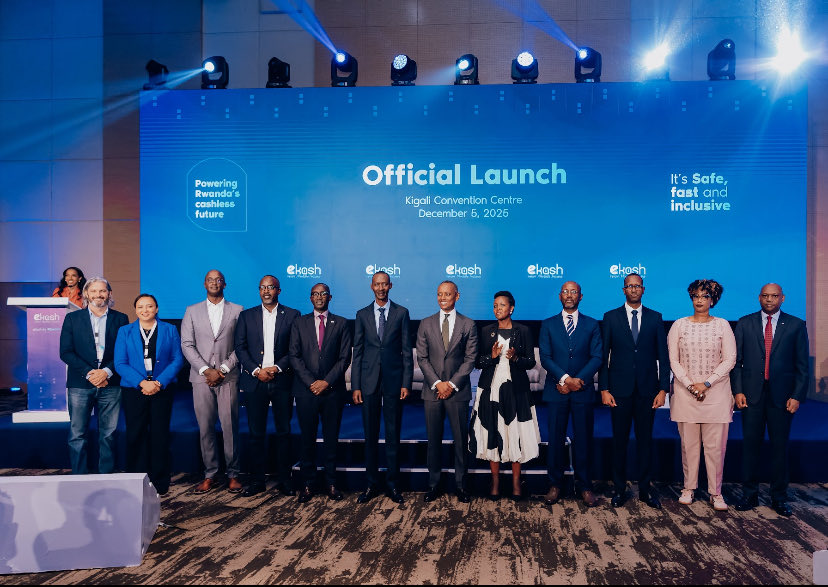
The launch brought together key partners such as the Ministry of Finance and Economic Planning, the National Bank of Rwanda, RISA, AfricaNenda, Access to Finance Rwanda, the Gates Foundation and GIZ. Leaders praised the system as both a technological innovation and a symbol of inclusive progress.
Access to Finance Rwanda CEO Jean Bosco Iyacu stated “For us, eKash is not simply a technological achievement, it is a foundational pillar or building block of Rwanda’s Digital Public Infrastructure (DPI) ecosystem.”
AfricaNenda CEO Dr. Robert Ochola highlighted African engineering leadership in the project, noting “For the first time, a national payments solution has been built end-to-end using 100% African engineers, developers, and system integrators…”
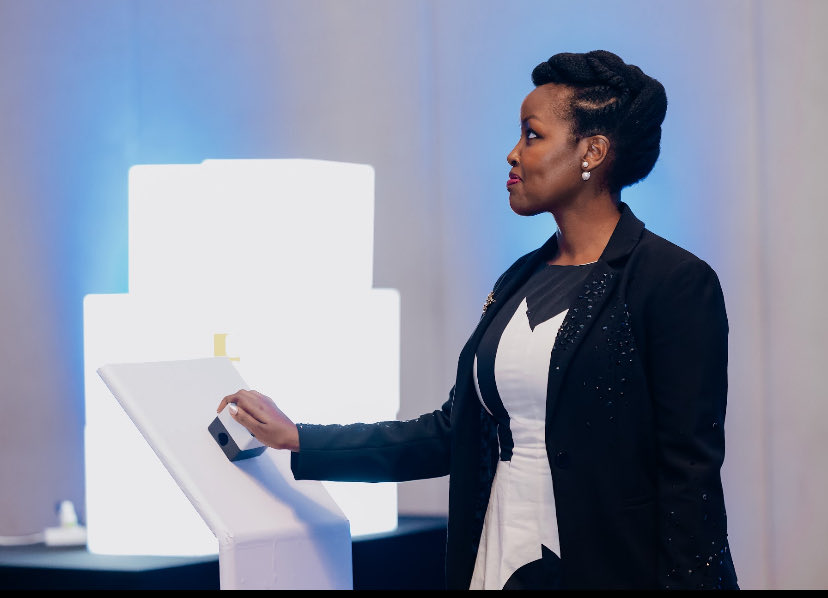
Minister of ICT and Innovation Paula Ingabire described eKash as a continuation of Rwanda’s collective digital vision, as she says “The story of eKash is the story of Rwanda… The most important part of this story is not technology, it’s the people.”
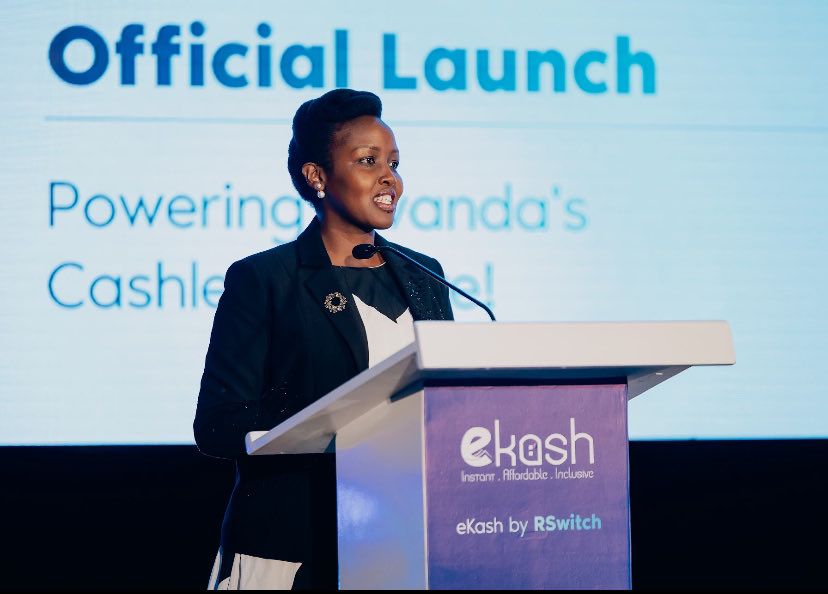
She also emphasized that as of today 96% of adults Rwandans (aged 18 and above) hold financial account—whether with Mobile Money, Airtel Money, a bank, or a SACCO—illustrating the country’s readiness for a fully interoperable system.
How eKash Works
eKash currently connects 22 financial institutions, with more than 30 SACCOs in the process of onboarding. Since its initial rollout phase, the platform has already processed over 46.4 million transactions with a 99.89% success rate.
The system enables instant money transfers, typically clearing within 10 seconds, while offering secure, regulated, and more affordable cross-institution transactions.
Instead of functioning as a traditional digital wallet, eKash sits at the center of Rwanda’s financial ecosystem—facilitating real-time communication between banks, SACCOs, MFIs, FinTechs, MTN Mobile Money and Airtel Money.
This centralized infrastructure ensures transparency, reduces operational costs, and simplifies access for millions of users across both urban and rural communities.
As the system expands nationwide, officials expect eKash to radically reduce the need for physical cash and eliminate the long-standing inconvenience of moving money manually between different providers.
With full nationwide integration expected by the end of 2026, Rwanda is positioning itself as a continental model for digital public infrastructure, financial inclusion, and real-time payments.