
 Kigaliinfo.com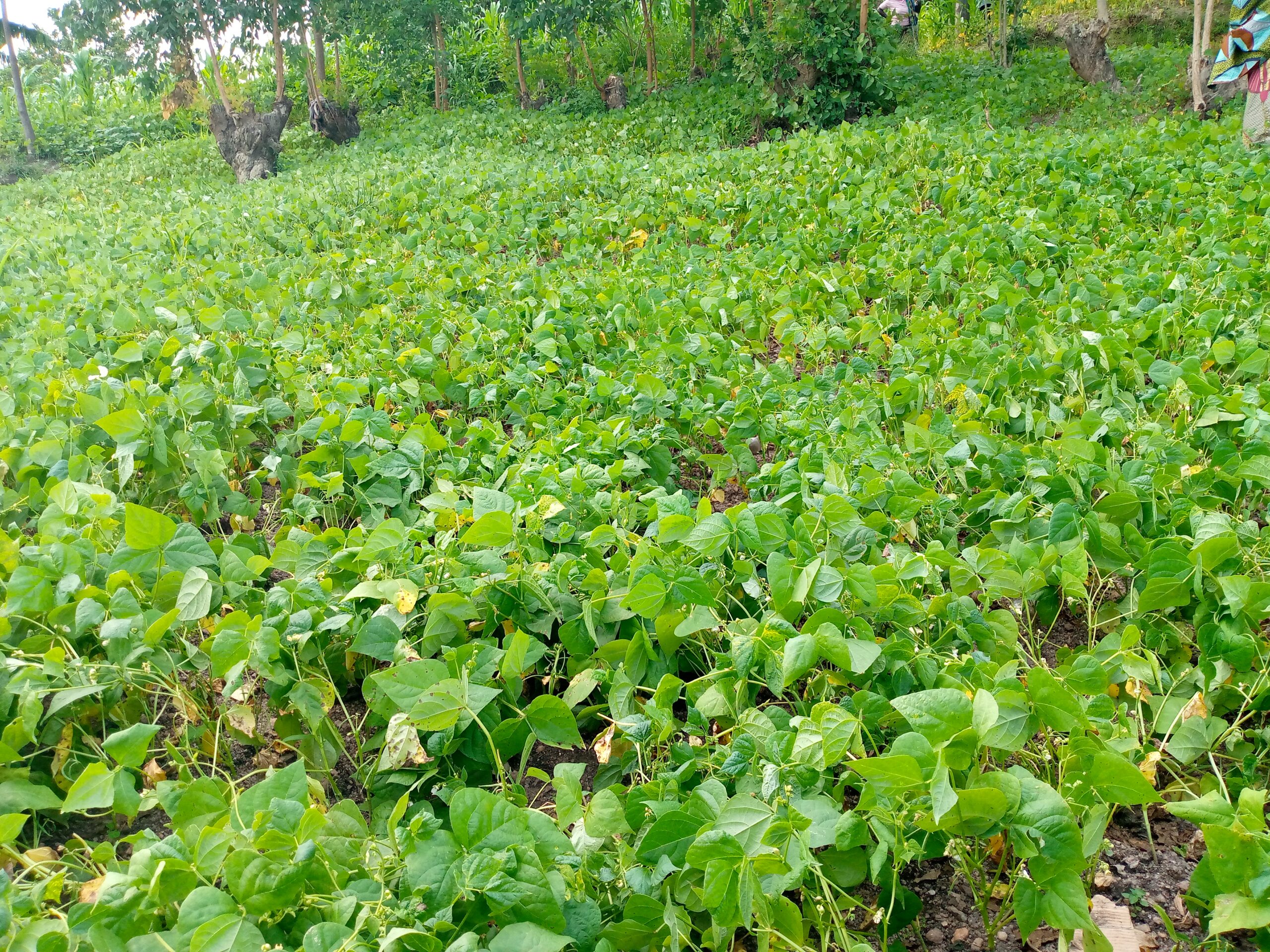
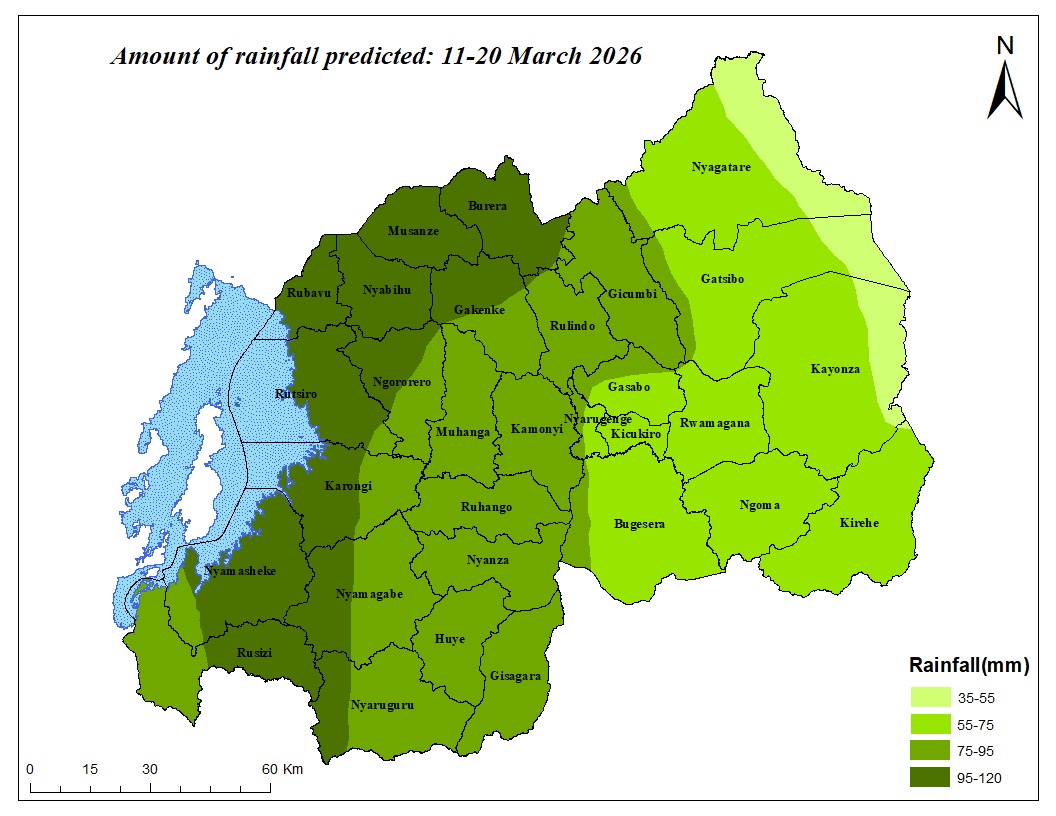
The Rwanda Meteorology Agency, Meteo-Rwanda, says that the 2025 long rainy season (Itumba) will extend until the end of May, contrary to earlier forecasts that had predicted rainfall would cease in most parts of the country before May 20th this year.
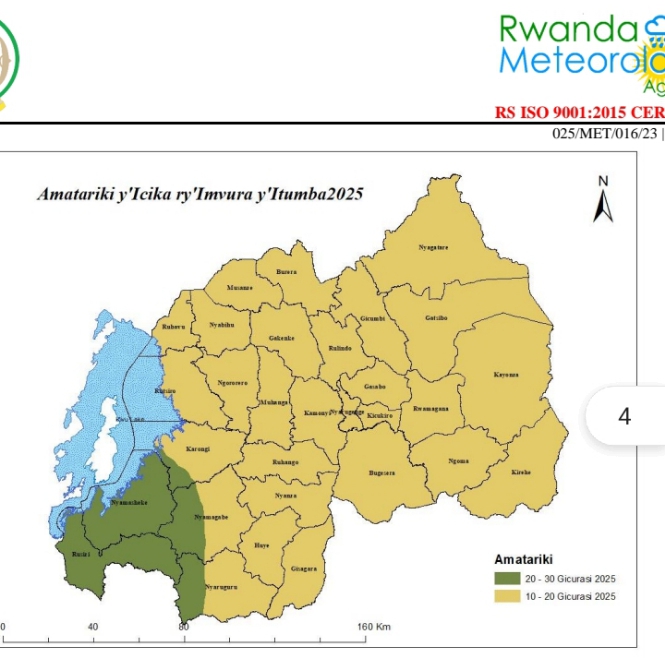
The 2025 long rainy season forecast (covering March, April, and May) had indicated that rains would stop between May 10th and 20th in most areas, except for Rusizi and Nyamasheke districts, where rain was expected to cease between May 20th and 30th.
Farmers in Bugesera and Nyagatare districts, areas where rainfall usually ends early, expressed optimism that despite the beans still being in the flowering stage — due to delayed planting caused by late rains — the short-maturity crops would still yield a good harvest.
Uwingeneye Françoise, a resident of Rilima in Bugesera, said:
“There is real hope that the beans will mature because the rains are still here. Right now, the plants are flowering. If they receive at least three more rainfalls, they will mature, as rains usually cease around May 13th to 15th.”
Uwingeneye added that had the rains started on time, usually in late February, the beans would already have pods by now and would be nearing maturity.
In Nyagatare District, a farmer named Antoine Hategekimana expressed concern about maize, noting that it tends to take longer to mature.
He said: “For this 2025 rainy season, there will likely be no maize harvest unless the rains continue through the entire month of May.”
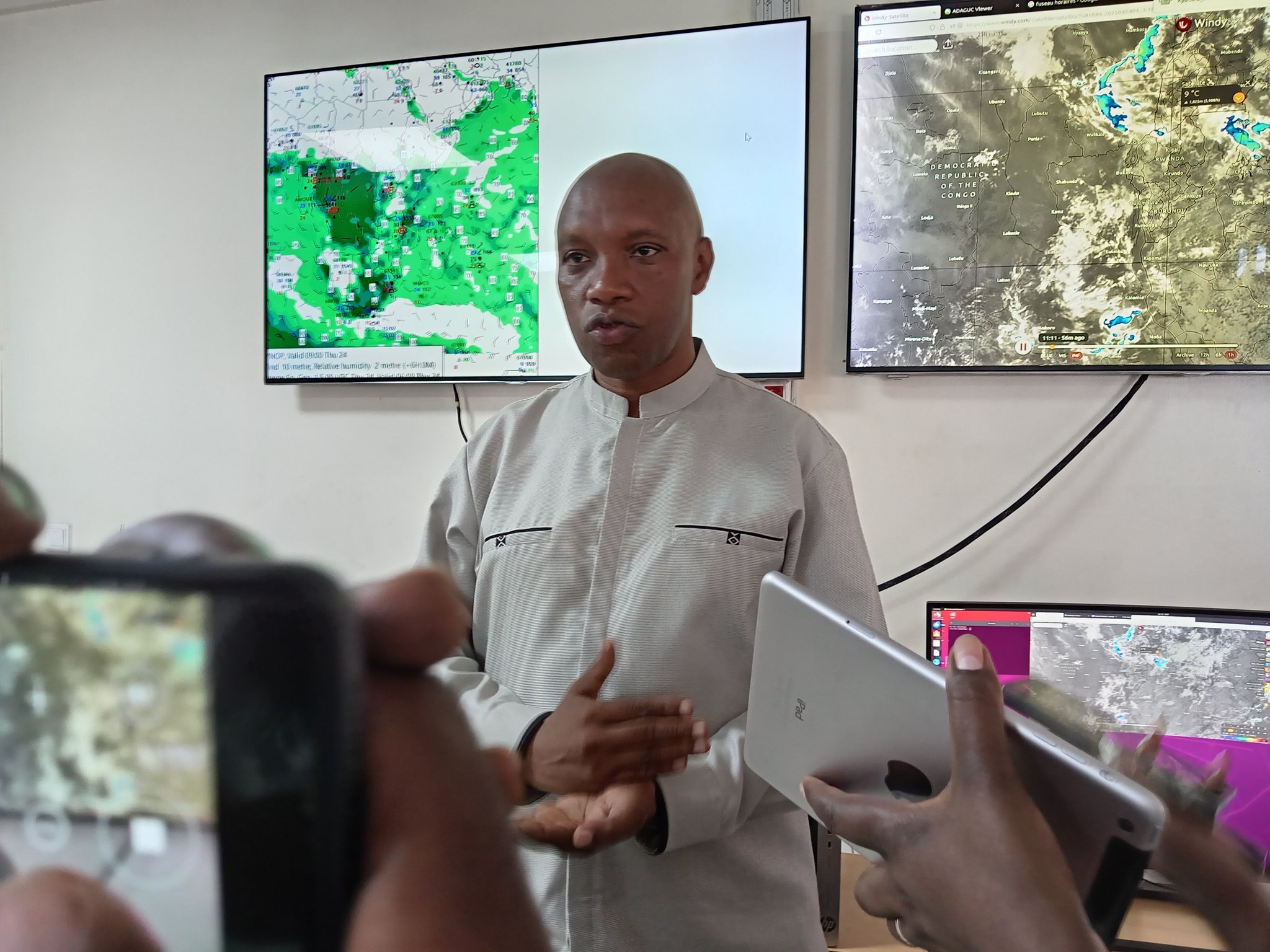
The Director of Forecasting and its Implementation at Meteo-Rwanda, Antony Twahirwa, said the rains are expected to continue until the end of May this year.
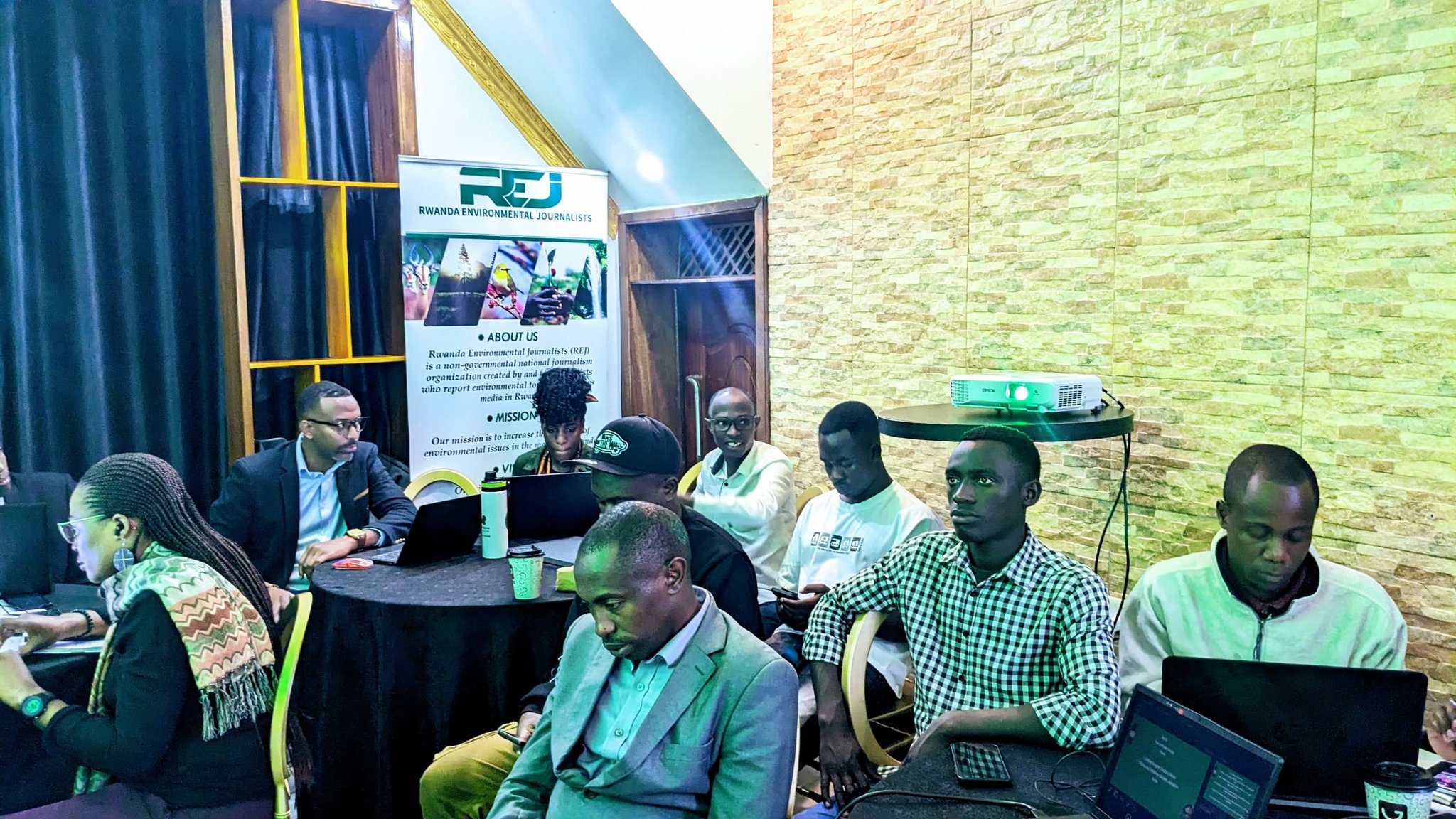
Speaking to environmental journalists (REJ) during their visit to Meteo-Rwanda on April 24, 2025, Twahirwa said:
“So far, we are seeing that the rains will persist until the end of May. Even though the atmosphere may sometimes become unstable and bring heavy rains, farmers should stay hopeful; the weather patterns still show rainfall.”
Meteo-Rwanda mentioned that with over 300 weather monitoring stations across the country, the reliability of the forecasts has significantly improved.
Additionally, Meteo-Rwanda announced that after the recent installation of a RADAR system, they plan to launch a weather balloon in September 2025.
This balloon will capture weather data from up to 32 kilometers above the Earth’s surface.


 Simon Kamuzinzi