
 Kigaliinfo.com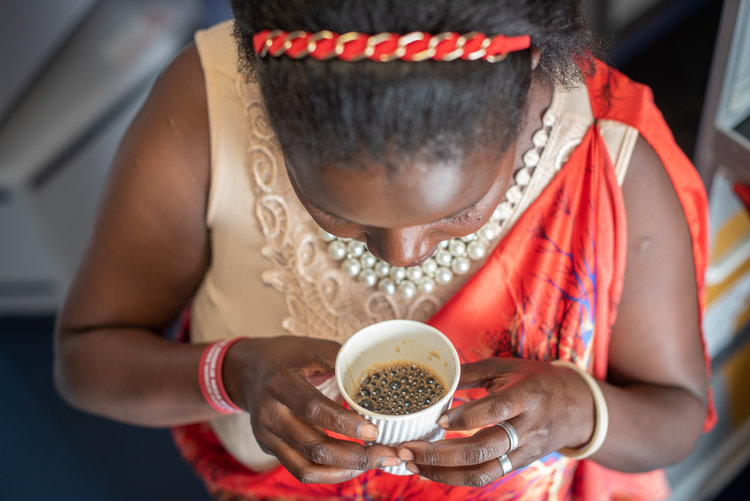
In Kayonza District, members of the “Twongere Umusaruro wa Kawa” (TUK) Cooperative—some of whom survived the 1994 Genocide against the Tutsi at the Catholic Church of Rukara—are finding healing, dignity, and purpose through coffee farming.
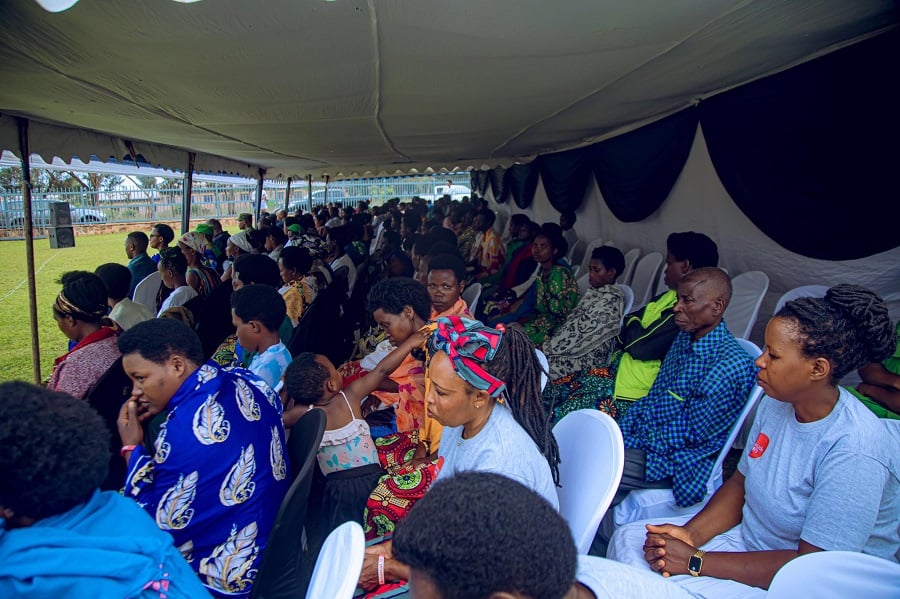
On June 20, 2025, during the 31st commemoration of the genocide, they paid tribute to more than 8,000 Tutsi victims buried at the memorial near the church that once offered them false refuge.
Gathered to remember and reflect, survivors Fidèle Mugwaneza and Claudine Mukantabana recalled the brutality they endured in Rukara. Despite the genocide lasting only a short time in the former Rukara Commune, they described the violence as exceptionally savage. Many survivors continue to suffer from long-term psychological trauma.
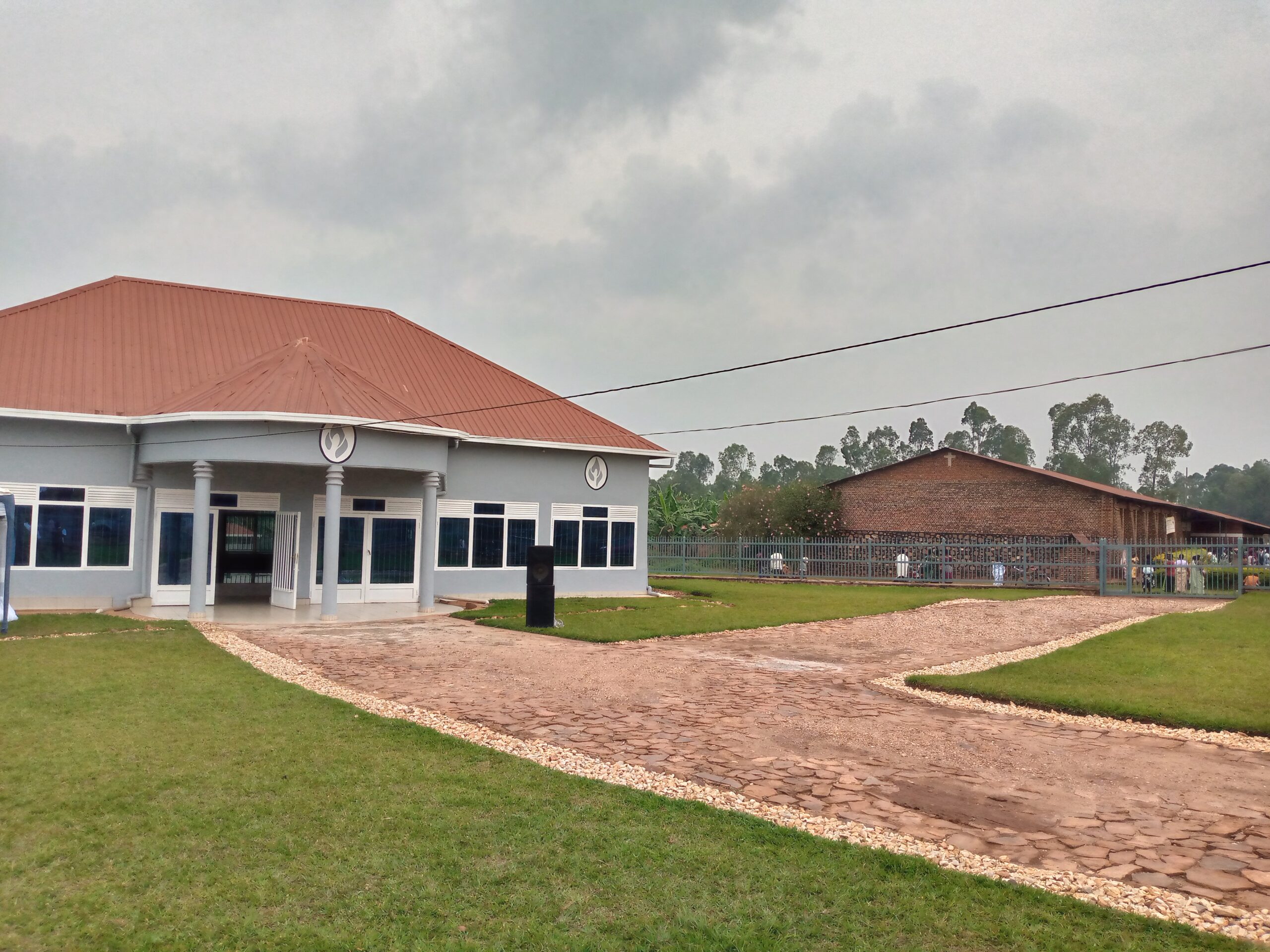
“We were shot at inside this church. We were hacked with machetes. It’s not easy to even talk about it,” said Mugwaneza, recounting how on April 15–16, 1994, Rwandan Patriotic Army (RPA) soldiers arrived and rescued a few survivors. “Some babies were found suckling from the corpses of their long-dead mothers,” he added.
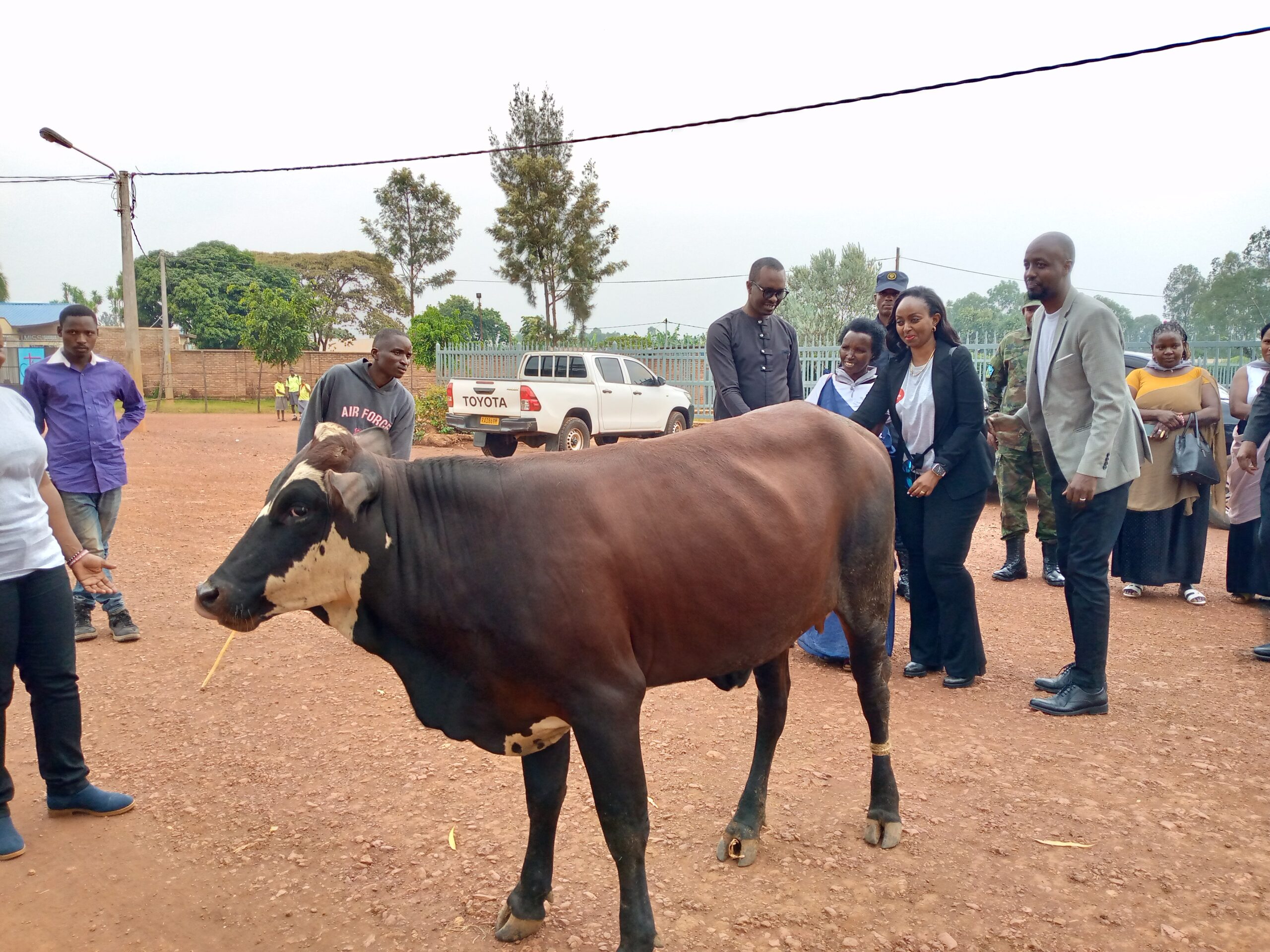
Those who managed to escape to nearby areas have spent decades slowly rebuilding their lives—with significant help from the government and its partners. One pillar of their recovery has been the coffee cooperative, TUK, which was formed mostly by women genocide survivors from Rukara.
According to its president, Madeleine Batamuliza, TUK now has 175 members—165 women and 10 men—and it offers more than just economic opportunity. It provides emotional and community support. Members rally around those facing hardship, offering visits, assistance, and even “respite leave” for grieving mothers or those suffering illness or personal loss.
Batamuliza says their cooperative now produces over 350 tons of coffee per harvest, a product that finds its way to both local markets and international destinations—especially Japan. “Each member now has basic necessities—small livestock, a home, the ability to pay school fees, savings, health insurance, and Ejo Heza (long-term savings program),” she explained.
They also take pride in enjoying the coffee they grow. Using traditional methods, they roast and grind their own beans to experience firsthand its health benefits—boosted brain activity and better blood circulation.
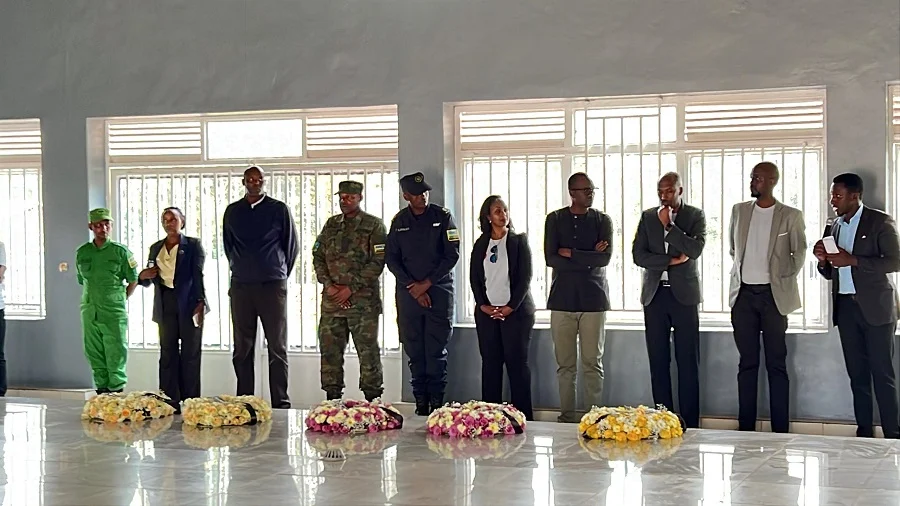
Jimmy Gahima, Executive Director of Sustainable Growers, a nonprofit that supports the cooperative, attended the commemoration and reaffirmed their commitment to linking these women to fair global markets. “If the global price is $8 per kilogram, we make sure Question Coffee—our enterprise—buys from them at the same rate,” he said.
Gahima added that this effort is part of a broader initiative to elevate the value of women’s labor and empower over 33,000 Rwandan women coffee farmers, including many genocide survivors. “They meet, they comfort each other, they learn new skills, they rise above isolation—and they move forward,” he said.
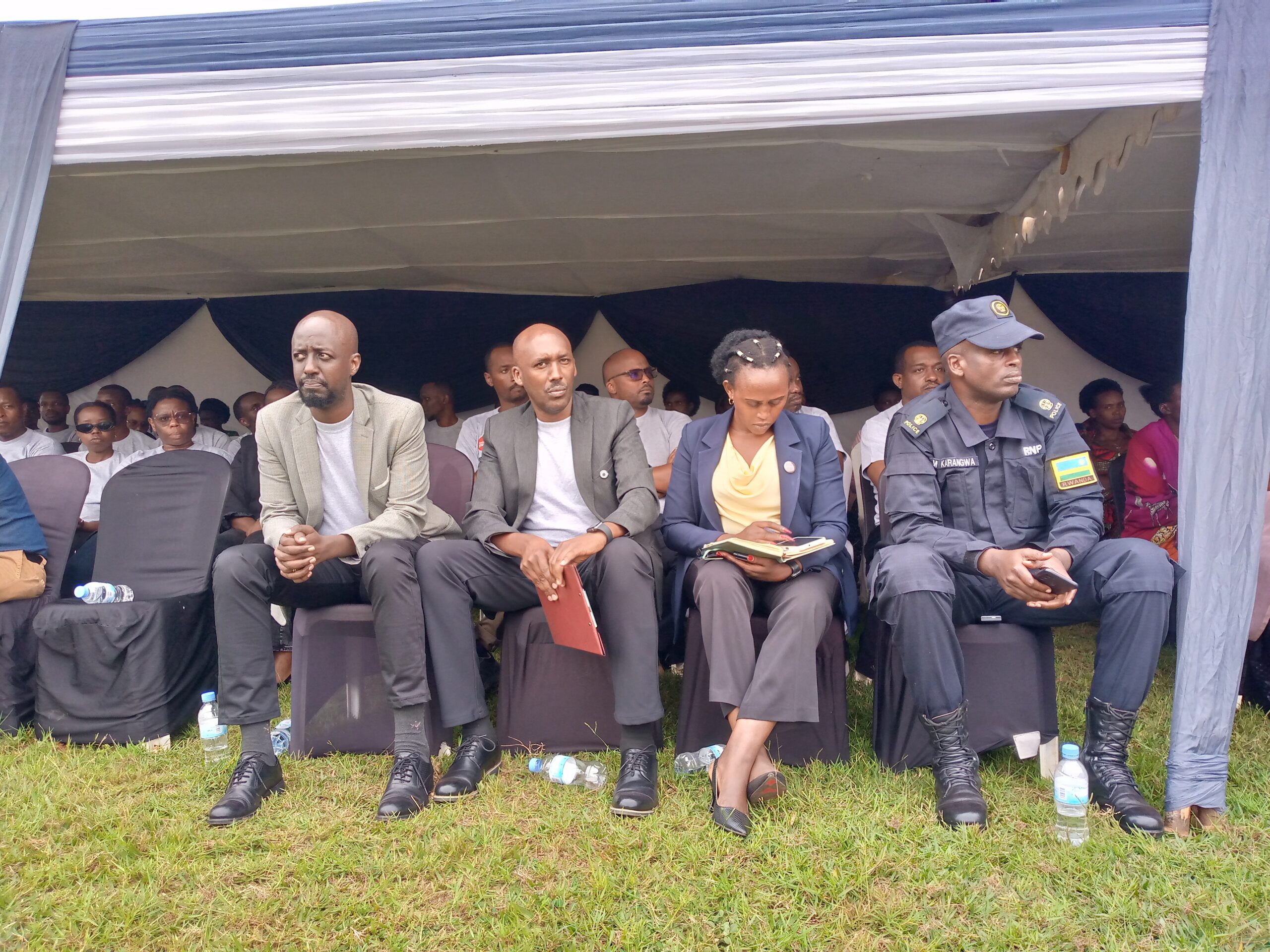
Kayonza District Mayor John Bosco Nyemazi commended the TUK cooperative for advancing national unity and reconciliation.
“These cooperative models help people look forward—toward what unites them, instead of what once tore them apart,” he said. Nyemazi also pledged continued government support, including infrastructure development and partnerships to help them grow both locally and globally.

 Simon Kamuzinzi