
 Simon Kamuzinzi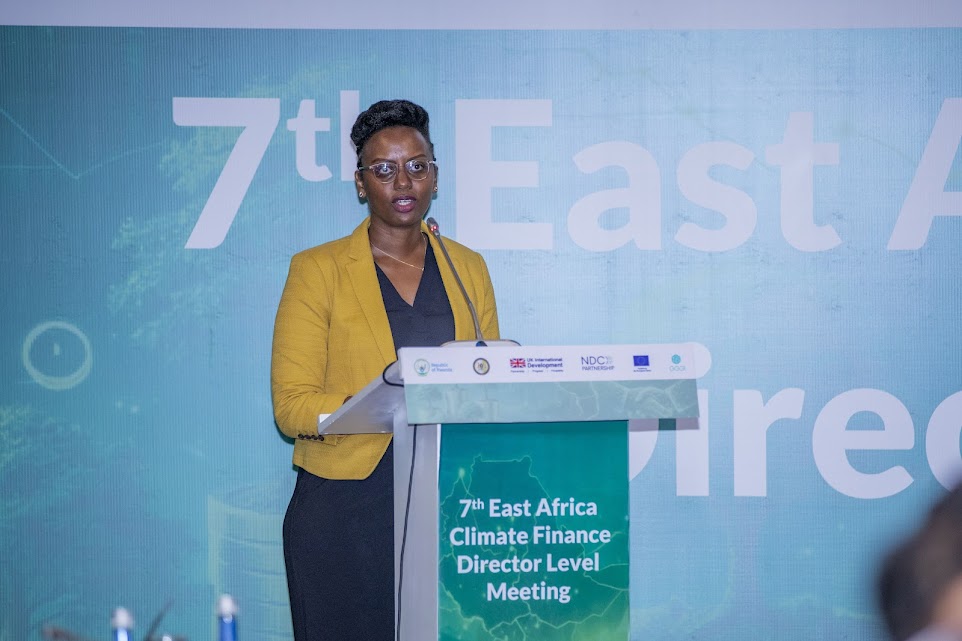
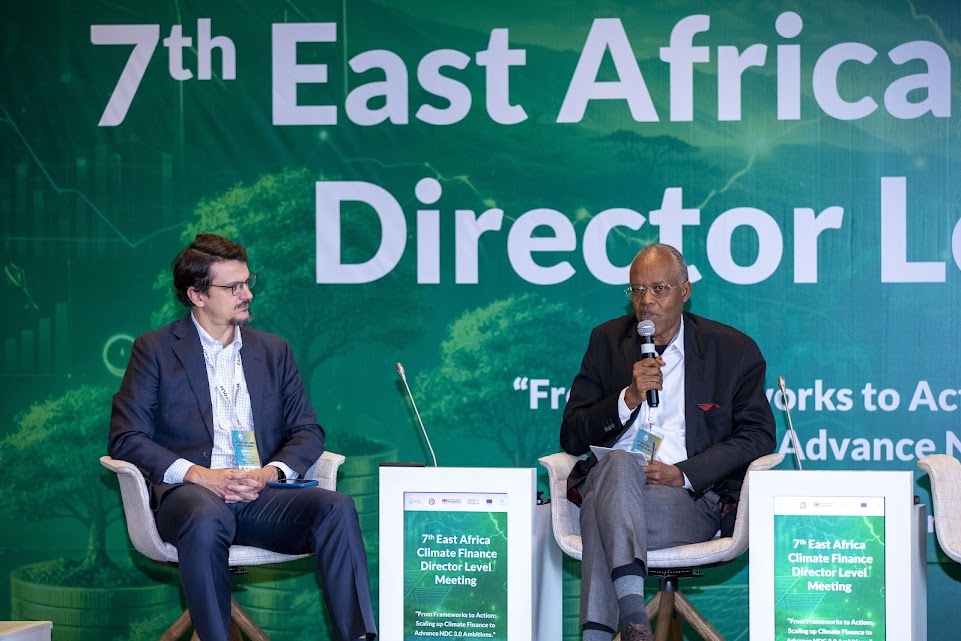
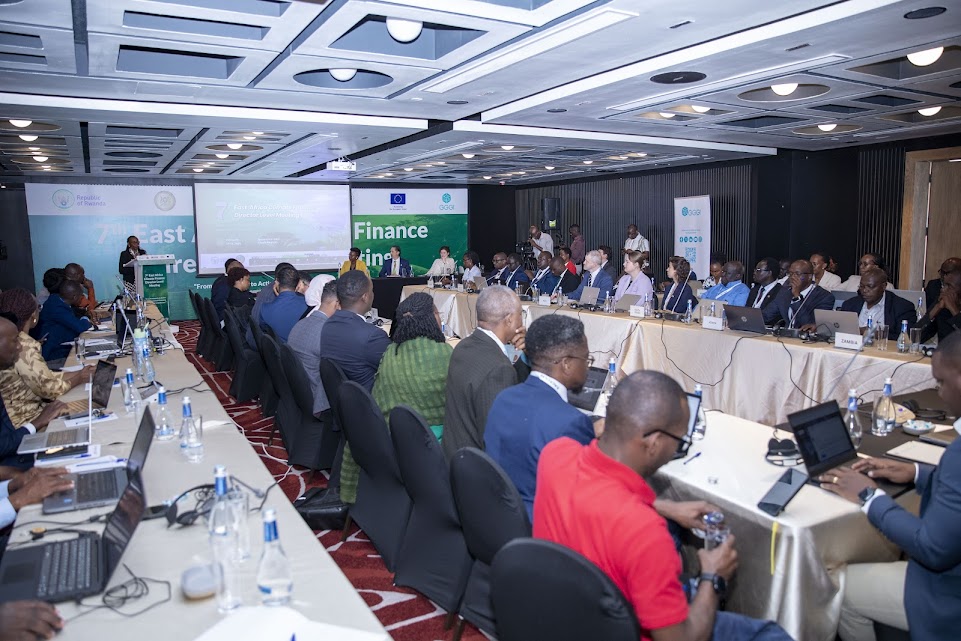
KIGALI – Finance high officers from the East African Community (EAC) have convened in Kigali for the 7th East Africa Climate Finance Directors’ Level Meeting (EACFDLM), with a clear mission: unlock large-scale investment to fund climate-resilient development across the region.
Opening the meeting, Minister of State for Resource Mobilization and Public Investment at Rwanda’s Ministry of Finance and Economic Planning, Mutesi Rusagara, warned that climate change is no longer a distant threat.
“We see it in droughts and floods, in fires and storms, and in the loss of crop yields that directly affects households, food security, and the stability of our economies,” she said, noting that the impacts are already disrupting homes, livelihoods and growth.
She emphasized that ministries of finance must be among those taking the lead in shaping climate responses, arguing that the issue goes far beyond environmental policy.
“For Ministries of Finance, climate is not a sectoral issue to be left for environment ministries alone. It is a macroeconomic and development challenge that touches fiscal stability, public investment, debt sustainability and the resilience of our growth model,” Rusagara said.
The meeting is focusing on how EAC Partner States can mobilize credible, investable and scalable financing—from public budgets to private capital and carbon markets—to implement climate adaptation and mitigation projects.
Rwanda used the platform to highlight the financing gap in its updated Climate Action Plan, known Nationally Determined Contribution (NDC 3.0).
Elie Sebagabo from Rwanda’s Ministry of Finance and Economic Planning said the country’s new NDC requires an estimated 12 billion in financing. While part of this amount will come from domestic resources, significant support is expected from development partners, particularly high-emitting countries.
At the regional level, Beatrice Jorono, Senior Budget Officer at the EAC Secretariat, reaffirmed the bloc’s commitment to working closely with Partner States, development partners and international institutions to mobilize and utilize climate finance.
She outlined ongoing collaboration with institutions such as the Green Climate Fund, the Adaptation Fund and other multilateral actors to strengthen regional readiness and access to global climate finance.
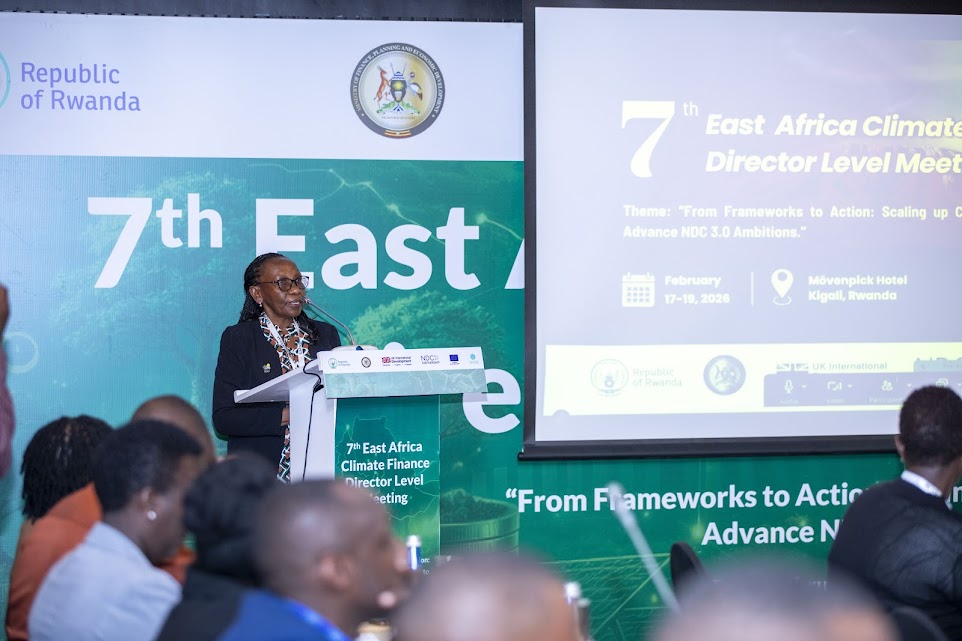
Uganda’s Ag. Director of Debt and Cash Policy, Ms Maris Wanyera, acknowledged the challenges in raising funds for climate projects but stressed that solutions exist.
She said financing will come from a mix of national budgets, bond markets and external partners through bilateral and multilateral cooperation.
“We are here as finance leaders responsible for mobilizing climate financing in East Africa. This meeting is a peer learning platform where we exchange experiences and learn what other countries are doing to access resources,” she said.
Wanyera added that participants will assess whether their countries have strong policies to attract green investment and whether climate is adequately integrated into national budgets.
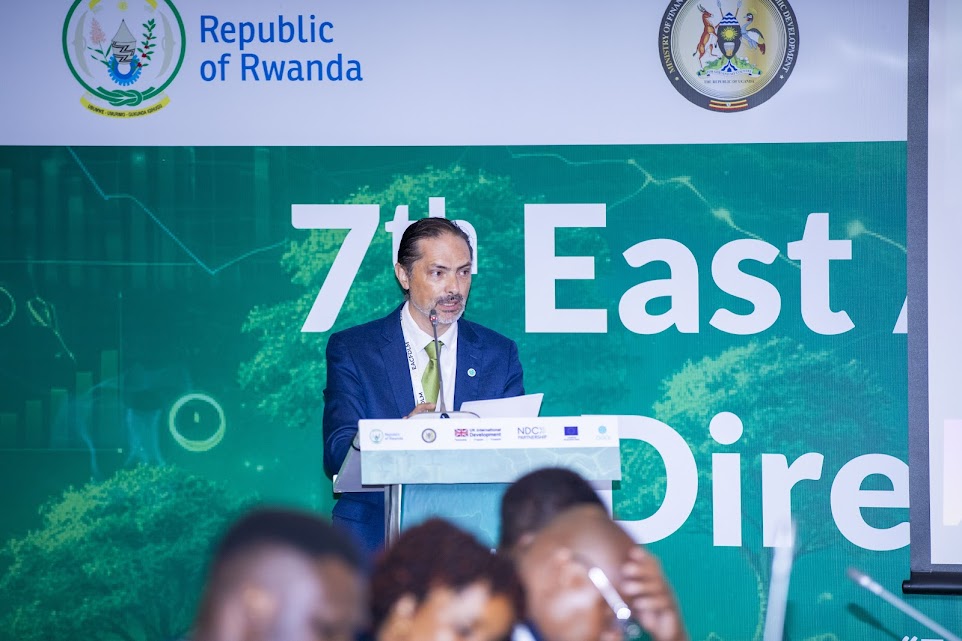
Pablo Martinez, Uganda, Angola and Zambia Country Representative of the Global Green Growth Institute (GGGI), noted that most climate finance will not come from grants alone. He highlighted instruments such as green bonds used in some countries to fund e-mobility and climate-resilient infrastructure.
According to Martinez, the bulk of future climate financing will come from the private sector, especially through Public-Private Partnerships, underscoring the need for governments to create enabling policies that crowd in private capital.
As deliberations continue in Kigali, finance directors are expected to outline practical pathways to bridge the climate financing gap and accelerate resilient growth across East Africa.