
 Simon Kamuzinzi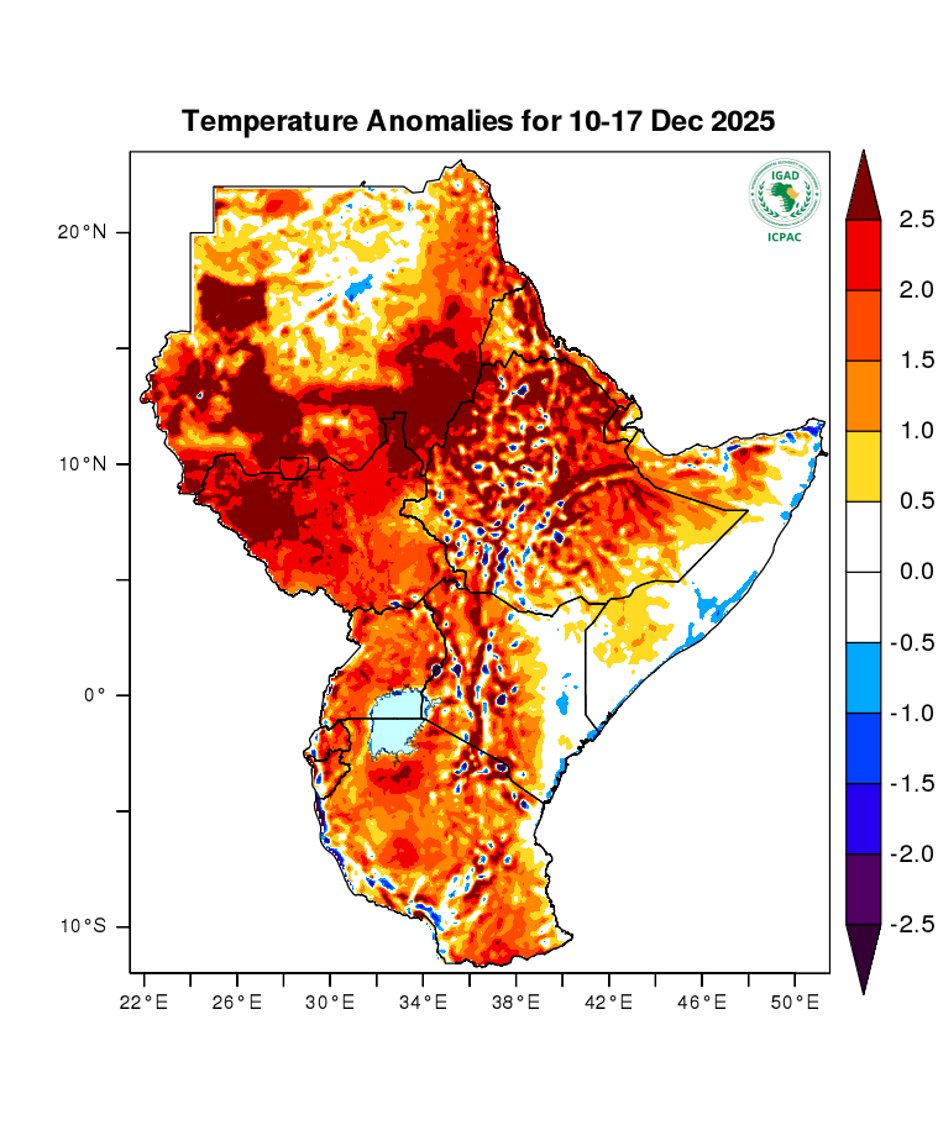
Climate scientists and development partners have called for stronger collaboration to ensure that weather and climate information produced in the Eastern Africa and Greater Horn of Africa region, directly supports people’s day-to-day decision-making.
The call was made during a five-day National Synergy-Building Workshop (from 8-12th December 2025 in Naivasha, Kenya) organized by the IGAD Climate Prediction and Applications Centre (ICPAC), with support from the UK Government through the UK Met Office.
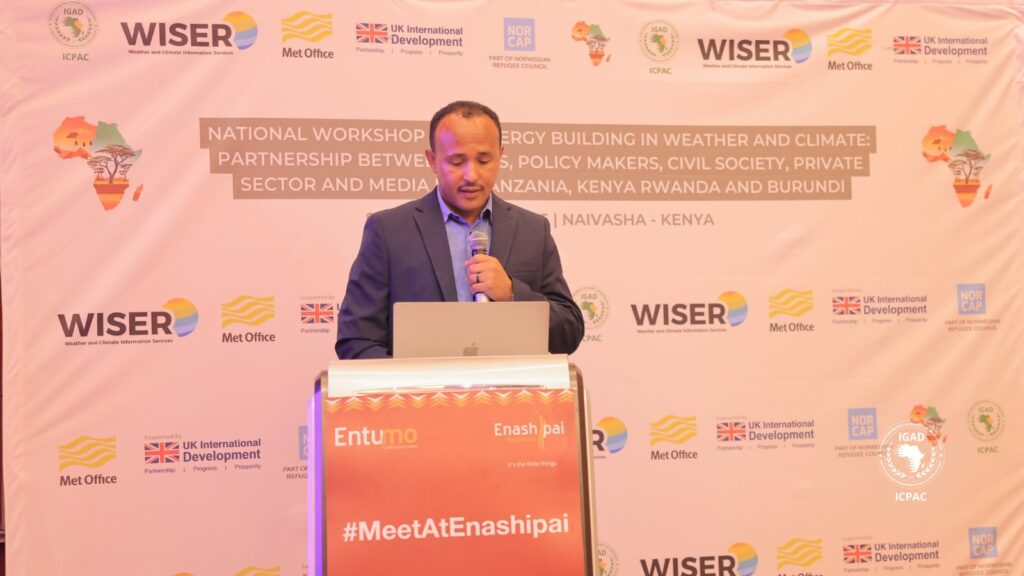
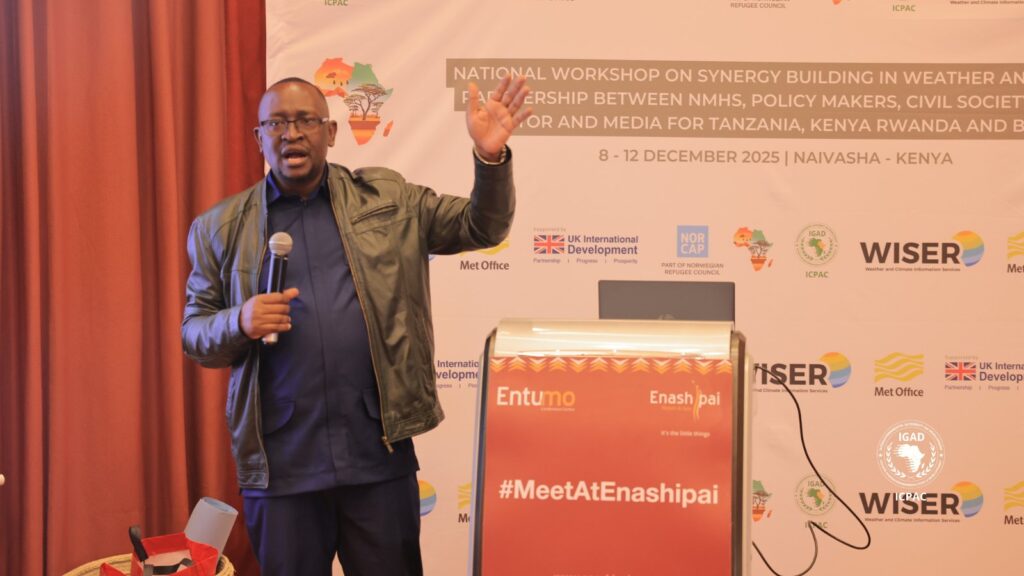
Dr Titike Bahaga addressing the workshop
Several partners including NORCAP, Save the Children International (SCI), Climate System Analysis Group (CSAG), Stockholm Environment Institute (SEI), ACMAD, SADC and AGRHYMET are also supporting the initiative.
Speaking to journalists on the sidelines of the workshop, ICPAC Climate Scientist and Principal Investigator, Dr Titike Bahaga, emphasized that climate information must go beyond production and reach communities in ways that influence real decisions.
“ICPAC, together with National Meteorological Services, produces and disseminates climate information ranging from weekly forecasts to climate change projections. However, our region remains a hotspot of climate variability, with recurring floods and droughts that often lead to humanitarian crises,” Dr Bahaga said.
He noted that the October–November–December 2025 season has been characterized by below-normal rainfall in many parts of the region, underlining the urgency of ensuring climate information is accessible and actionable.
“One of the major challenges in the climate value chain is not production, but reaching people. Climate information is co-produced by National Meteorological Services and ICPAC, and shared through regional climate outlook forums. Yet farmers and local communities still have no access to that information,” he explained.
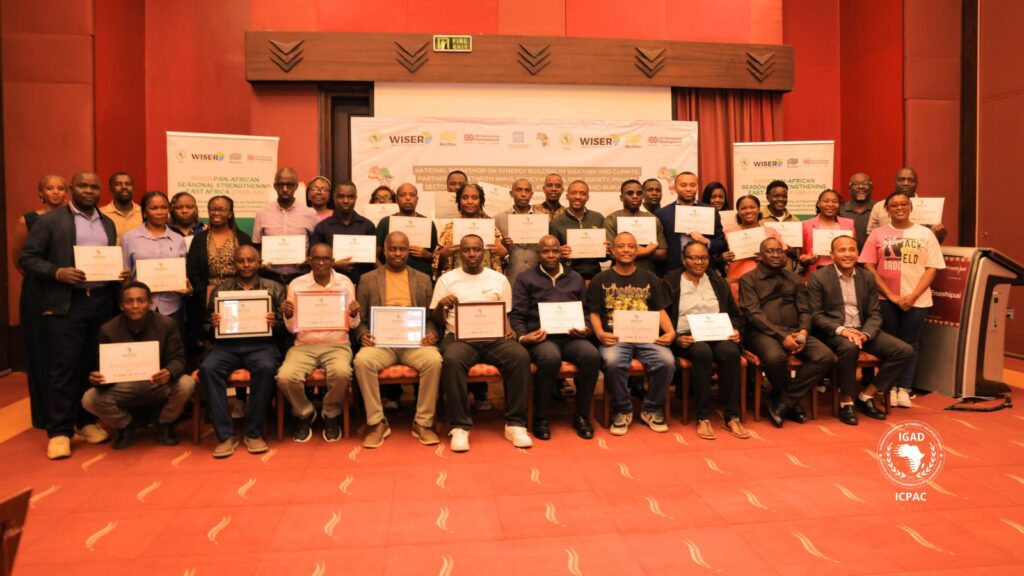
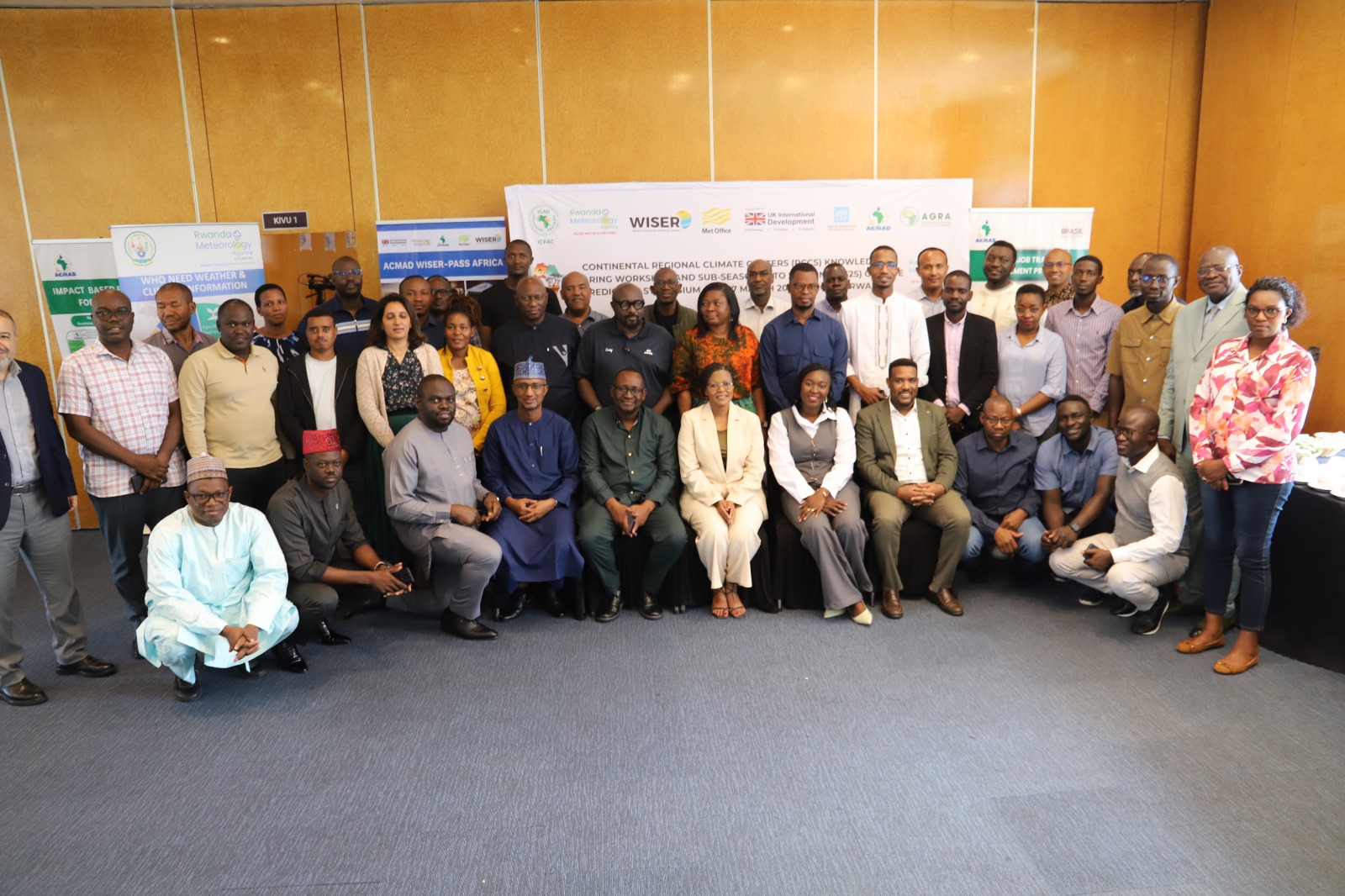
Attendees of the workshop granted certificates and committed to act
According to Dr Bahaga, timely and understandable climate information enables farmers to decide what seeds to plant and when, supports water and energy managers to plan interventions, and helps governments and humanitarian actors to anticipate risks.
He stressed that national media practitioners have a critical role to play in bridging this gap by working in synergy with climate-sensitive sectors such as agriculture, water, energy, education, health and disaster risk management.
“Media professionals are expected to interpret scientific terminology related to weather and climate, translate it into language people understand, and communicate it in a way that resonates with communities,” he said, adding that meteorological services must also design forecasts and advisories that are easily understood by all, including children and young people.
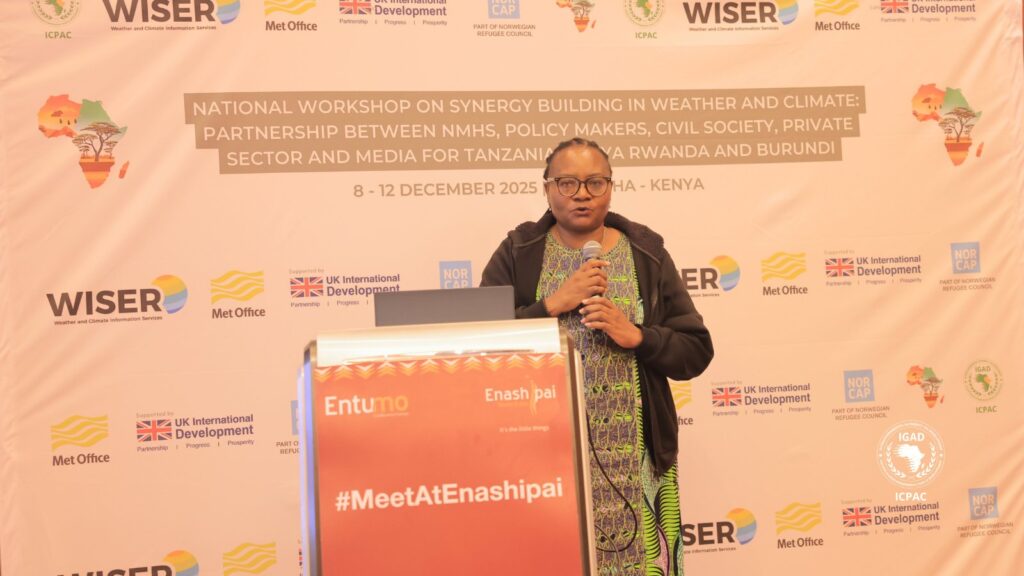
Mary Chavula of Save the Children International
Save the Children International and ICPAC used the workshop to highlight the importance of inclusive climate communication that leaves no one behind.
Participants were introduced to child-centred and youth-inclusive approaches to weather and climate information services, recognizing that climate impacts differ according to age, gender, education level, disability and location, whether urban or rural.
The Save the Children sessions demonstrated how child-friendly climate information, ethical participation and inclusive communication planning can strengthen early warning systems and anticipatory action.
Practical examples from across Africa showed how engaging children and youth not only improves understanding of climate risks, but also builds community trust and strengthens preparedness at household and local levels.
One of the trainers, Kenyan journalist Isaac Sagala, urged fellow media practitioners to give greater attention to weather and climate reporting, describing it as a daily reality for people of all ages.
“From children to older people, everyone is directly impacted by weather and climate. These impacts affect national economies, entire countries and populations. Journalists can work with both scientific and indigenous knowledge to identify practical solutions to climate challenges that affect us all,” Sagala said.
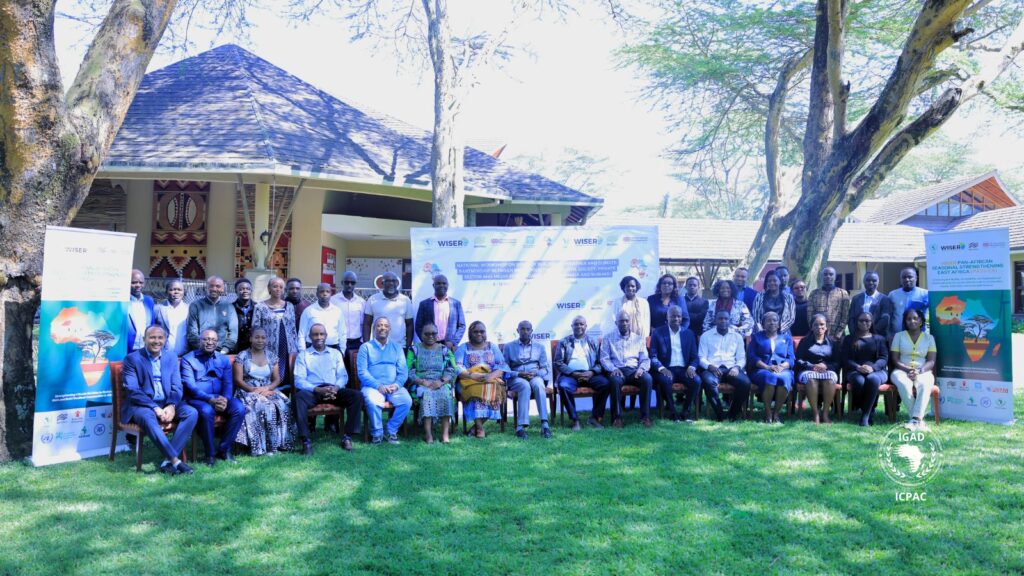
The Naivasha workshop focused on building stronger linkages between climate science, the media and user communities, while promoting co-production, accessibility and effective use of climate information.
It directly supports the Weather and Climate Information Services for Africa (WISER) programme by advancing its pillars of improving the quality, accessibility and use of climate information across Eastern Africa.
As climate risks intensify across the continent and the Greater Horn of Africa in particular, participants agreed that sustained collaboration among meteorological institutions, the media, humanitarian actors and communities—including children and youth—will be essential to turn climate information into life-saving and development-enabling action.