
 Simon Kamuzinzi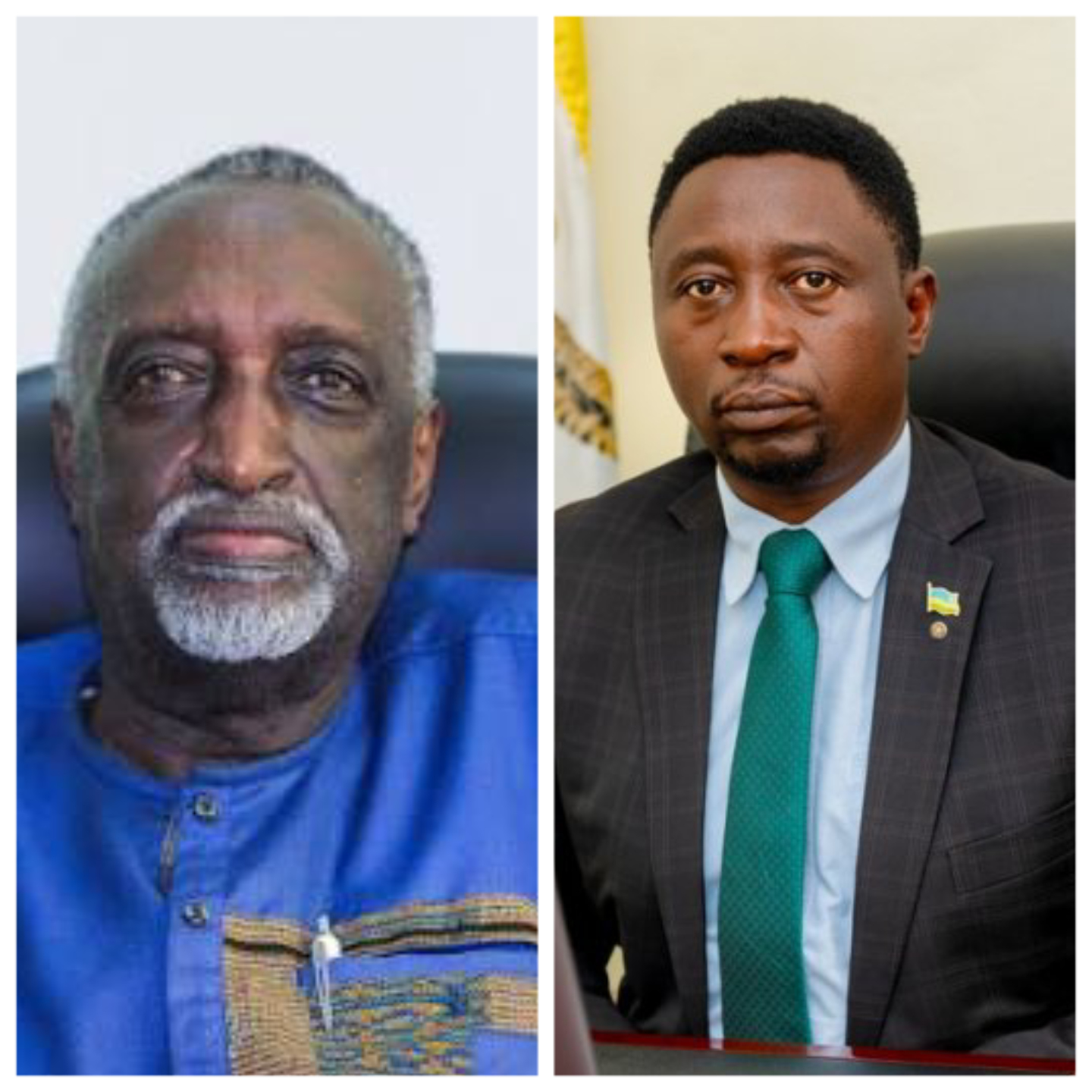
Political expert Tito Rutaremara and the spokesperson of the Rwanda National Forum of Political Organisations (NFPO), Senator Dr Frank Habineza, have warned that the threat posed by the FDLR to Rwanda should not be measured by its size, but by the dangerous ideology it carries.
In a recent interview with local media, both Rutaremara and Dr Habineza emphasized that focusing on the relatively small number of FDLR members misses the real concern—the persistence and spread of genocidal ideology within the group, particularly in the Democratic Republic of Congo.
Dr Habineza explained that following discussions between the NFPO and Gen. James Kabarebe, then Minister of State for Foreign Affairs, regarding regional security and remarks attributed to the Congolese President about potential military action against Rwanda, the forum issued a statement stressing that Rwanda’s defensive measures must remain in place.
He further argued that the Congolese government should distance itself from both the FDLR and divisive narratives targeting Kinyarwanda-speaking communities. According to him, these communities should either be granted full citizenship rights or, failing that, be allowed self-determination along with the territories they inhabit.
Beyond Numbers: The Ideological Threat
Responding to claims that the FDLR is insignificant due to its small size, Dr Habineza dismissed such arguments, saying the group represents far more than just its visible members.
“FDLR is an idea,” he said. “It is rooted in individuals connected to those who carried out the Genocide against the Tutsi. The issue is not whether they are few or many. Even if they were only five people with such dangerous beliefs, they would still pose a serious threat that must be confronted.”
He added that the group has reportedly integrated itself into parts of the Congolese military—including individuals assigned to protect top leadership—and has gained access to education, leadership roles, and economic resources, strengthening its influence over time.
Rutaremara echoed these concerns, stating that the FDLR has grown into a powerful force, with segments of Congolese society—including civil servants, military personnel, and even figures close to the presidency—allegedly adopting anti-Rwandan sentiments to the extent of plotting harm against Rwanda.
He warned that the group’s most dangerous impact lies in spreading genocide ideology among the population, extending even to senior political and military figures in Congo.
“To understand the scale of the threat,” Rutaremara said, “numbers alone don’t matter. Jesus Christ began the Catholic Church with just twelve people, yet it spread across the world.”
Countering Genocide Ideology
Despite these concerns, Rutaremara noted that Rwanda remains secure due to its strong defense systems and efforts to educate citizens about the truth. However, he expressed concern about the spread of harmful narratives outside the country.
He highlighted the role of genocide denial, often propagated through social media by individuals both in Congo and across the world, describing it as a battle Rwandans must actively confront.
“They are not more skilled than us, nor more present on social media,” he said. “If ten people spread falsehoods, let a thousand of us respond and challenge them. There are also many Congolese who can understand the truth if it is explained to them.”
Rutaremara also pointed to the presence of around 30,000 international students studying in Rwanda’s universities and secondary schools, suggesting they could play a role in spreading accurate information across Africa and countering genocide ideology.
Broader Security Concerns
Beyond the views expressed by Rutaremara and Dr Habineza, other senior government officials—including President Kagame—have also raised concerns about regional security.
They have alleged that members of the family of former President Juvénal Habyarimana are collaborating with the Congolese government in activities perceived as hostile toward Rwanda.