
 Simon Kamuzinzi
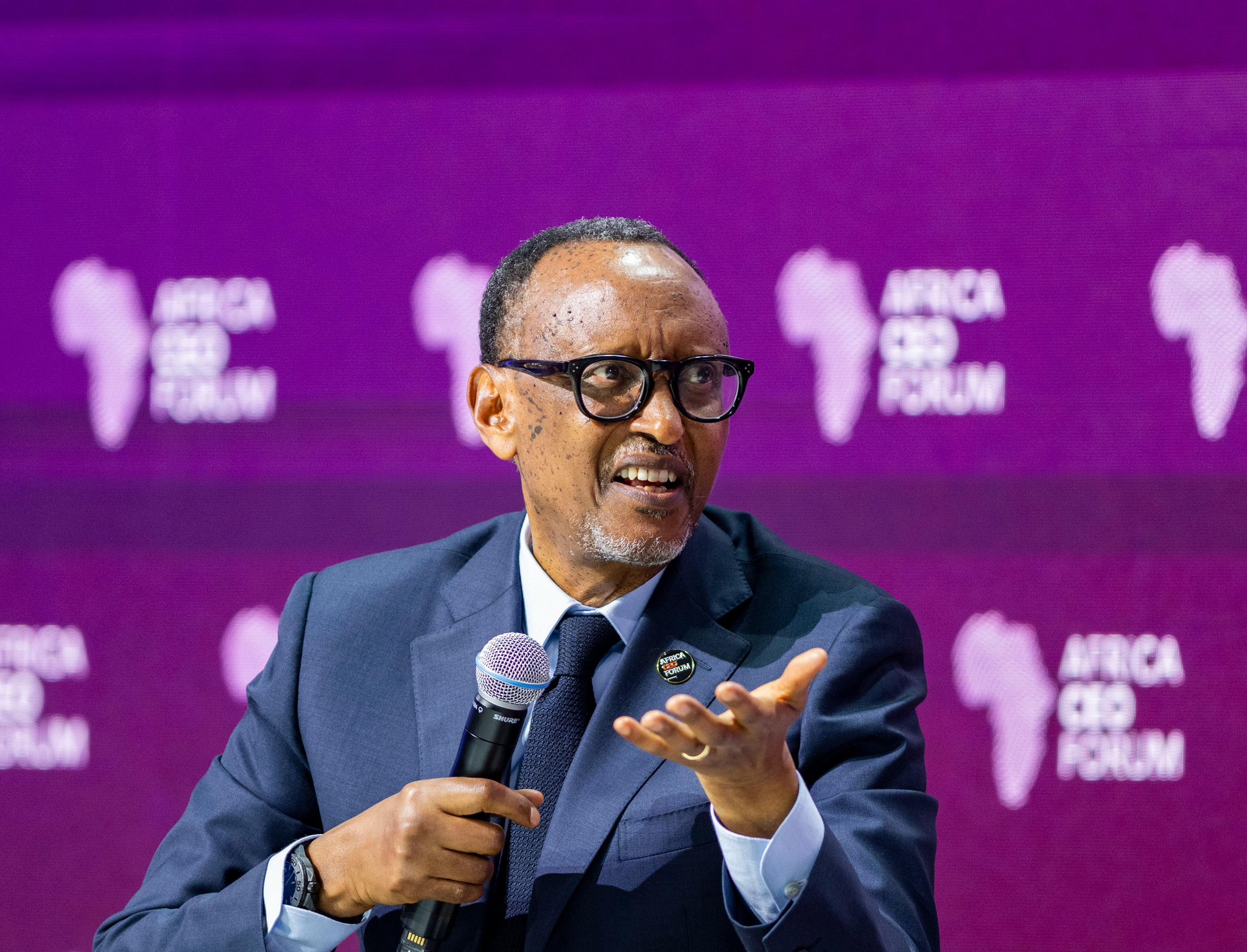
Rwanda’s Prime Minister, Justin Nsengiyumva, has clarified that rise in prices across the country is not the result of government policy, but rather a direct consequence of disruptions in global markets caused by the ongoing conflict in the Middle East.
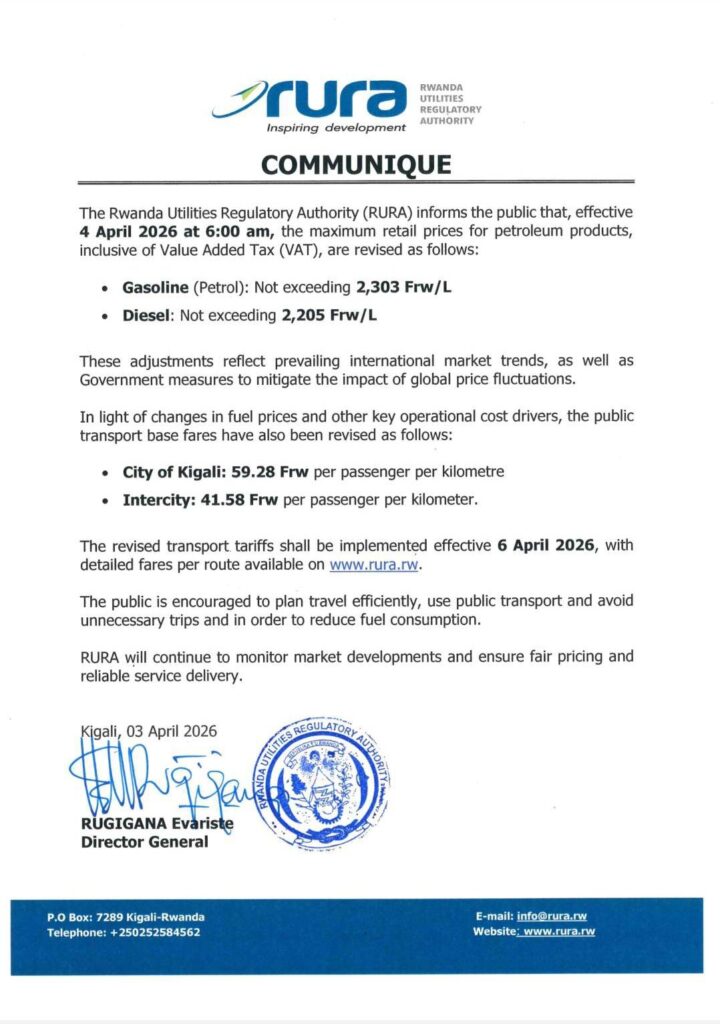
According to a statement issued by Rwanda Utilities Regulatory Authority (RURA), fuel prices have risen significantly. Gasoline, which had been selling at Frw 1,989 per litre since March 5, 2026, now costs Frw 2,303, while diesel has increased from Frw 1,948 to Frw 2,205 per litre.
RURA also announced updated public transport fares. In Kigali, passengers will now pay Frw 59.28 per kilometre, while travel to and from upcountry destinations will cost Frw 41.58 per kilometre.
Global Conflict Driving Local Impact
The price hikes follow more than a month of escalating conflict involving Iran, United States, and Israel. The war has damaged key oil and gas infrastructure in the region and led to the closure of the strategic Strait of Hormuz, through which roughly one-fifth of the world’s petroleum supply passes.
Speaking to the media on Friday, Prime Minister Nsengiyumva outlined the current and projected state of Rwanda’s economy, placing particular emphasis on the ripple effects of the Middle East crisis and the government’s response.
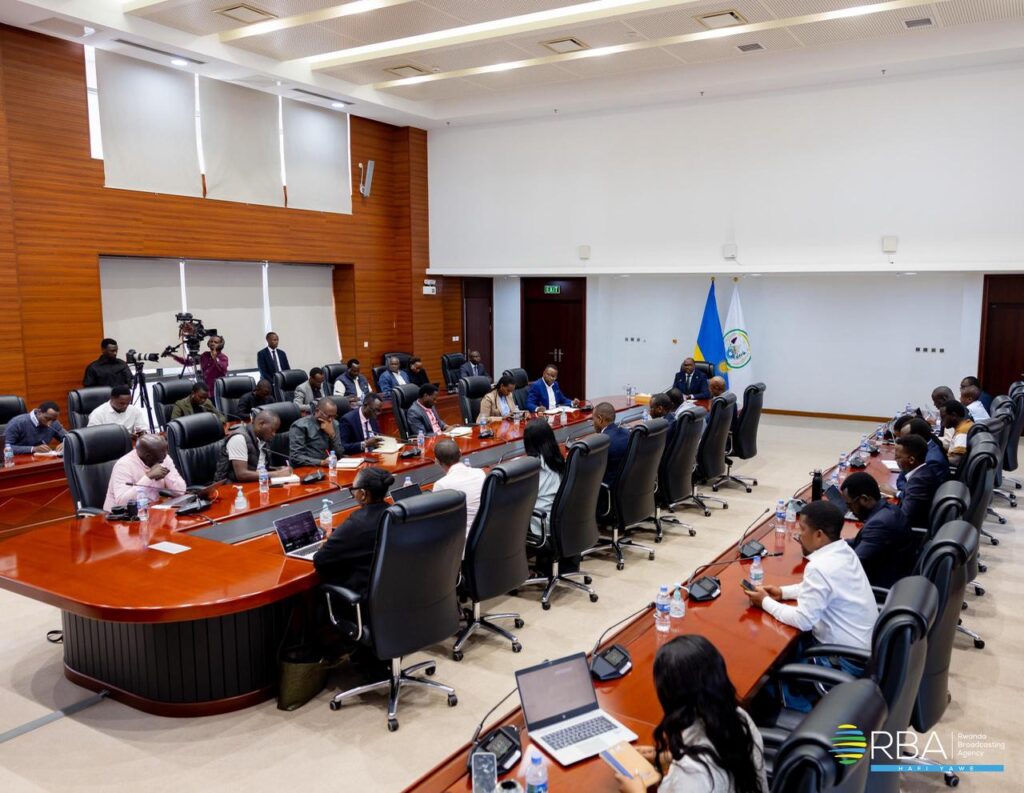
He warned that prices of various goods—especially petroleum products—are expected to continue rising.
“Given the situation in the Middle East, the question is whether prices will increase. The answer is yes,” he said. “Not because we want them to, but because that is the reality of the market.”
Rwanda’s Pricing Strategy
The Prime Minister explained that since the conflict began on February 28, Rwanda had not immediately raised fuel prices, unlike some countries that adjust prices instantly in response to global shifts.
Instead, Rwanda follows a pricing review mechanism conducted every two months.“We only adjust prices when there is clear justification,” he said. “In some countries, fuel prices change daily. That is not how we operate.”
He added that the government initially tried to cushion the impact by easing the burden on fuel importers. However, maintaining stable prices has become increasingly difficult.
Before the conflict, fuel importers were purchasing oil at around $70 per barrel. That cost has now surged to $112 per barrel—an increase of $42—making it unsustainable to maintain previous retail prices.
A Shared Global Challenge
Dr Nsengiyumva stressed that Rwanda cannot isolate itself from global economic pressures. “International market prices no longer allow us to maintain current rates,” he said. “This is a global challenge that requires collective resilience. Everyone has a role to play so that we can overcome it, just as we have done with past crises.”
Conflict Intensifies
The Prime Minister’s remarks come amid reports that fighting between Iran and the United States has intensified, with some sources claiming U.S. troops have entered Iranian territory. However, operations appear to be facing resistance, with reports of U.S. aircraft being targeted within Iranian airspace.