
 Simon Kamuzinzi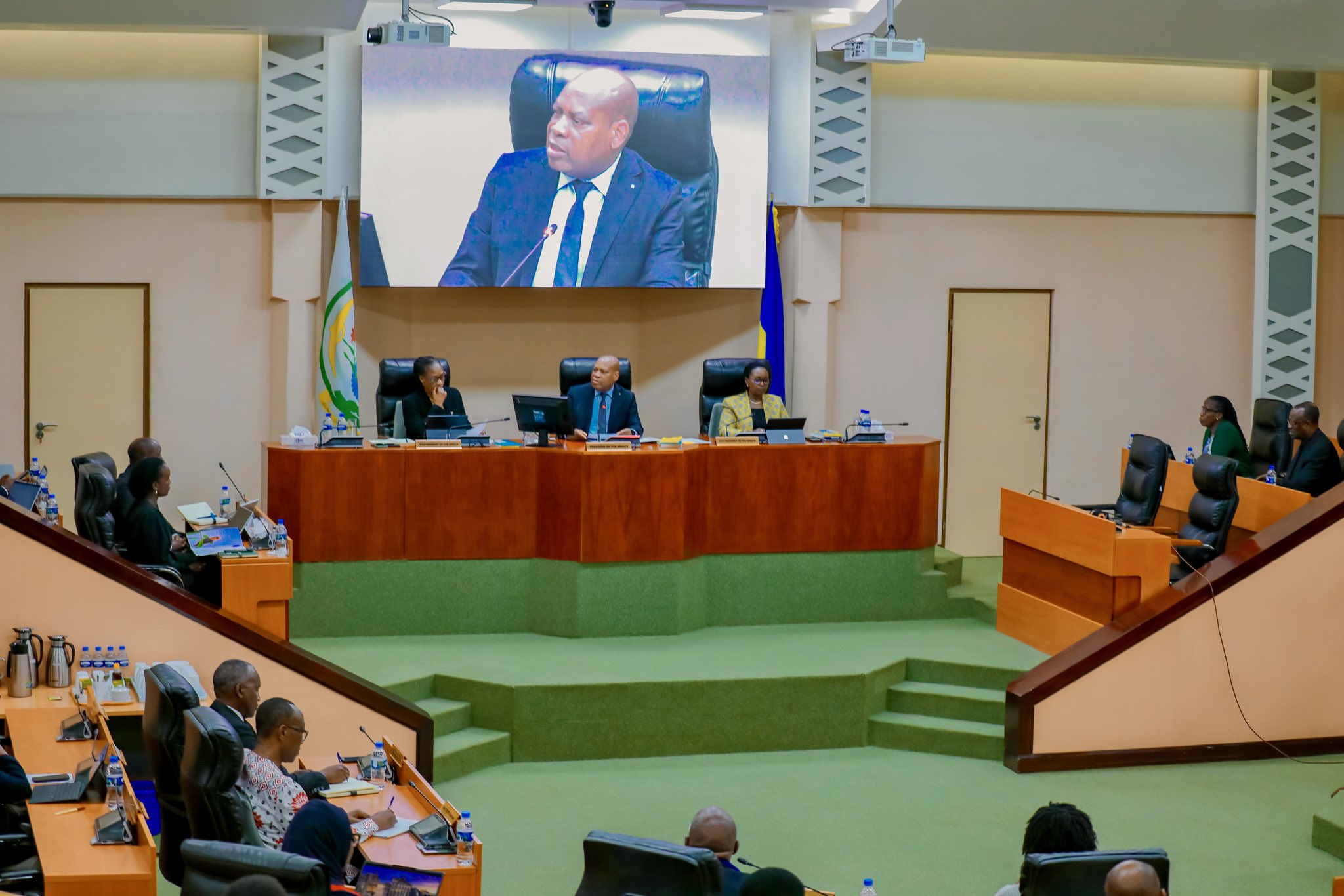
The Government of Rwanda has announced it is working with the Kingdom of Saudi Arabia to provide cooking gas for all citizens, including low-income households who will be able to buy small amounts based on their daily income.
At the same time, the government is considering the long-term use of small nuclear reactors known as SMRs.
This was explained to the Senate on Wednesday, November 26, 2025, by the Minister of Infrastructure, Dr. Jimmy Gasore, together with the Minister of Environment, Dr. Bernadette Arakwiye, during a session dedicated to providing detailed explanations on the government’s plans to promote alternative cooking fuels to replace firewood.
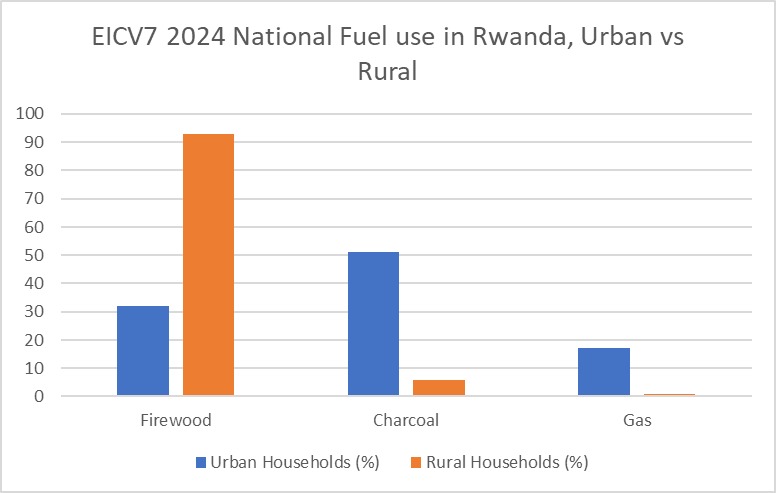
According to the government, the continued rise in the use of firewood from 2017 to 2024—rather than a decrease—was mainly due to low investment in alternative cooking sources.
Both the Government and the Senate expressed concern that the number of people using firewood and charcoal increased from 83% in 2017 to nearly 94% in 2024. This happened despite Rwanda’s target to reduce this number to 42% by 2024.
They noted that the situation is harmful to the environment due to increased deforestation, and also affecting people’s health as they inhale polluted smoke from traditional kitchens.
Soline Nyirahabimana, the Senate Vice President in charge of Parliamentary Affairs, addressed the Ministers of Infrastructure and Environment saying “The Senate would like to know what is planned so that all relevant institutions can work together to achieve the national targets set for 2030.”
She reminded them that Rwanda’s target is to reduce household reliance on wood-based fuels from 93.8% in 2024 to below 42% in 2030.
In response, the Minister of Infrastructure, Dr. Gasore, said the government has begun bringing in investors, starting with partners from Saudi Arabia who can supply stoves and gas in both large and small cylinders—including those sold for as little as 2,000 Rwandan francs under the “pay-as-you-cook” model.
“For this pay-as-you-cook initiative, a household buys gas according to its financial capability, we are working with Saudi Arabia and a company called B-Box. We started with 50,000 households to test the technology, and after that we will scale it up,” Dr. Gasore said.
He added that the government will continue attracting more investors and sensitizing citizens to adopt cleaner cooking solutions. In the long term, however, Rwanda plans to explore the use of small nuclear reactors (SMRs) for cooking energy and broader electricity needs.
These nuclear technologies could enable Rwanda to generate up to 3,000 megawatts of electricity—its future requirement—compared to the current 300 megawatts (only one-tenth of the needed capacity), mostly produced from hydropower, Lake Kivu methane gas, peat, and solar power.
Dr. Gasore noted that none of the existing energy sources can produce the required 3,000 megawatts. Only three potential hydropower sites remain (on the Nyabarongo and Rusizi rivers), and even they cannot contribute significantly.
Lake Kivu methane gas could add energy, but it cannot provide more than 100 megawatts. Solar energy is also limited, as producing just 1 megawatt requires more than one hectare of land, which would compete with land needed for agriculture.
“We chose SMRs because they pose no safety risks. There are submarines powered by SMR-type nuclear reactors. They are small units that operate for about six years, after which the module is buried underground and remains there for at least 100 years until its radioactivity declines. There are also companies that recycle nuclear waste to reduce its toxicity,” Infrastructure Minister added.
The Minister of Environment, Dr. Bernadette Arakwiye, also said that, meanwhile, citizens will be widely sensitized to adopt environmentally friendly cooking solutions and to use wood-based products more efficiently.
She added that Rwanda will work with countries that have no forests so they can contribute financially to Rwanda’s efforts to reduce carbon emissions through protecting natural forests and planting more trees—initiatives commonly known as carbon markets.